
Table of Contents
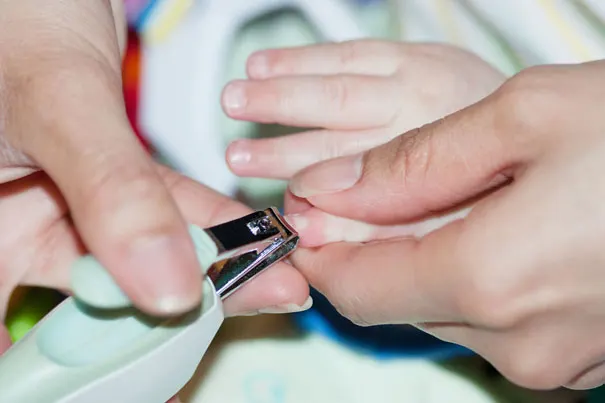
Baby Nails Bleeding After Cutting What to Do If your baby’s nail starts to bleed after trimming, remain composed, apply steady pressure with a clean cloth or gauze for 10-15 minutes until the bleeding ceases, elevate the finger if you can, and avoid using a bandage due to choking hazards, but consult a doctor if the bleeding is heavy, the wound appears deep, or if any signs of infection emerge. Gently wash the area with cool water and use nail files or baby clippers after baths when the nails are softened.
Rapid Care
- Remain Composed: Provide comfort to your baby and to yourself.
- Apply Pressure: Firmly press a clean cloth, gauze, or your sanitized finger on the cut for 10-15 minutes without looking.
- Elevate: If feasible, lift the hurt finger above the infant’s heart to aid in reducing bleeding.
- Skip Bandages: Steer clear of bandages since they may pose a wound risk if the baby pulls them off.
- Verify: If bleeding persists after applying pressure for 15-20 minutes, obtain urgent medical assistance (A&E/ER).
Prevention and Future Actions
- Timing: Cut nails after a bath when they are pliable, or while the baby is napping.
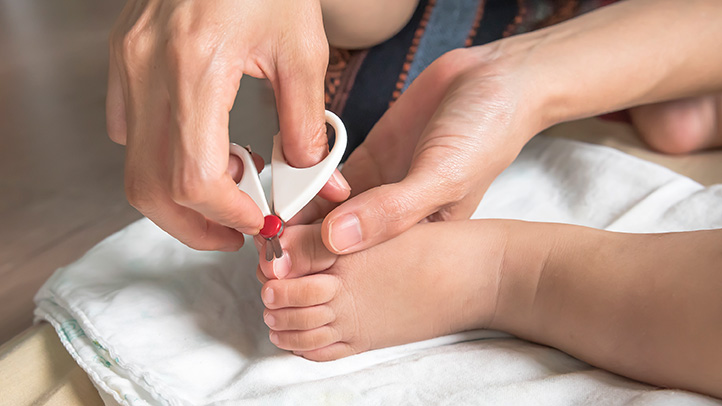
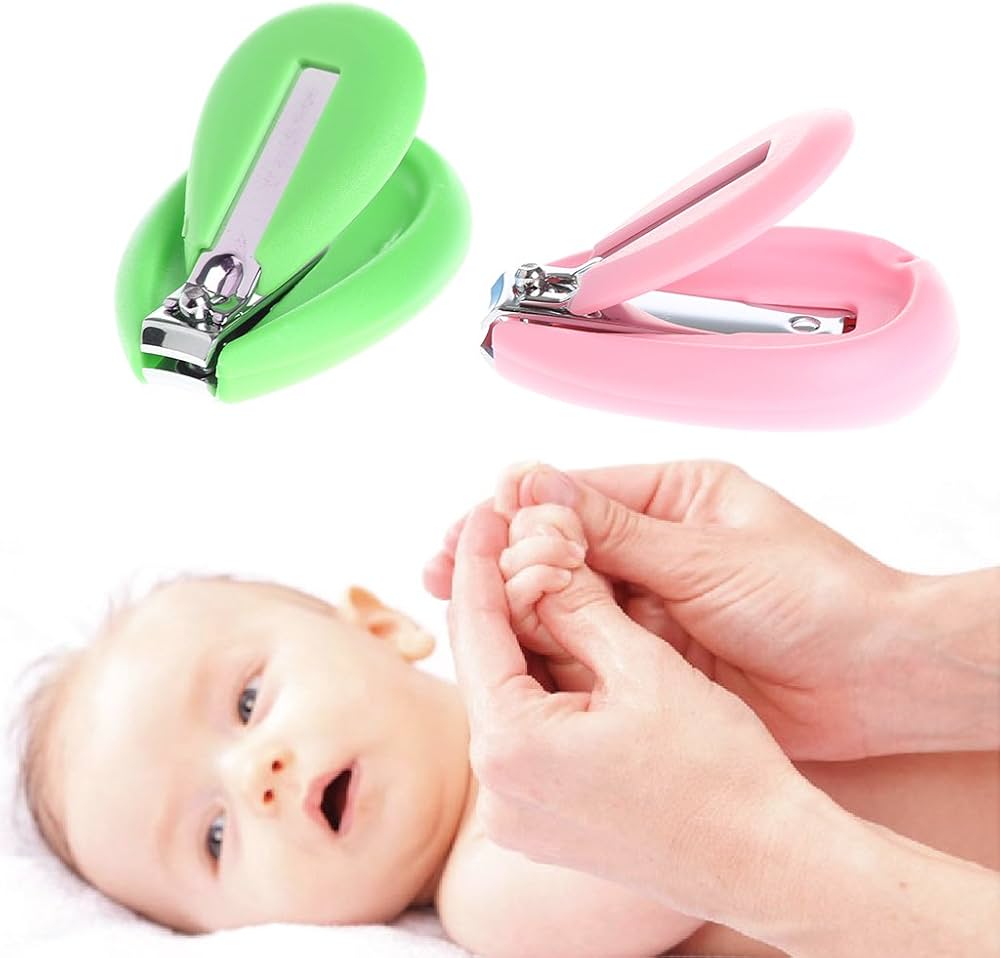
- Instruments: Utilize infant nail clippers or a gentle emery board/file.
- Method: Adhere to the natural shape of the nail and steer clear of cutting too near the quick (the pink area).
- When to Consult a Physician: If the wound is deep, continues to bleed, exhibits infection symptoms (redness, swelling, pus), or if you have concerns.
Advice for Avoidance
- Use infant nail clippers or a gentle emery board to smooth the nails
- Cut the nails when the baby is asleep or relaxed, like after a bath when the nails are softer.
- Maintain short nails to avoid scratches.
Baby Nails Bleeding After Cutting – What to Do (Complete Emergency Guidance for Parents)
Baby nails bleeding after cutting what to do One of the most searched and emotionally intense questions for new parents is what to do if baby’s nails are bleeding after cutting. As soon as a newborn’s delicate finger begins to bleed, fear usually ensues. New parents might experience fear, guilt, or concern that they have harmed their infant significantly.
This subject is highly significant since nail trimming is a regular aspect of infant care, but a minor mishap can seem like a significant crisis for new parents. The positive aspect is that, in many situations, bleeding from a baby’s nails is slight, can be treated at home, and recovers swiftly when addressed appropriately.
This guide aims to provide calm, clear, and reliable emergency instructions—assisting parents in understanding the causes of bleeding, the immediate actions to take, what to refrain from, and when to pursue medical assistance.
1.Remain Composed Initially
Infants can detect the stress of their parents. Staying calm enables your baby to remain calm as well, decreasing movement and facilitating effective first aid.
2.Verify the Trim
Examine carefully to notice:
- Is it a tiny cut or a more serious gash?
- Is the light flickering or constant?
The majority of nail-trimming cuts are minor and shallow.
Reasons This Subject is Significant for New Parents
For new parents, a baby’s safety seems delicate. Infant fingers are small, nails are gentle, and movements are erratic. When parents notice blood, their instinct is fear—Did I injure my baby severely? Will this result in a scar? Should I hurry to the hospital?
Comprehending the reasons for bleeding baby nails after trimming and how to respond aids parents:
- Remain composed in an unforeseen circumstance
- Move promptly and securely
- Steer clear of unneeded alarm or detrimental errors
- Foster assurance in infant care
When bleeding occurs in a baby’s nails, the initial minutes are crucial. The appropriate reaction can halt bleeding rapidly and avert infection. Most importantly, it comforts parents that this is a typical and generally minor concern, not a shortcoming in parenting.
Why Bleeding Happens When Cutting Baby Nails
Comprehending the reasons for bleeding can aid in avoiding it later on.
- 1.Nails Are Connected to the Skin: Nails in newborns are frequently somewhat attached to the nail bed. Trimming too closely may cut into the skin beneath.
- 2. Small Hands, Large Movements: Infants shift abruptly and erratically, raising the likelihood of unintentional cuts.
- 3. Utilizing Inappropriate Instruments: Nail clippers for adults or sharp scissors are oversized and unsafe for infants’ nails.
- 4. Trimming Too Brief: Attempting to cut nails “too short” can easily result in bleeding.
- 5. Insufficient Illumination or Haste: Reduced visibility or hurrying leads to more errors.
Bleeding does not indicate a severe injury—it typically implies the skin was grazed slightly
Immediate First Aid: What to Do Right Away
Finding your baby’s nails bleeding after a trim can cause immediate anxiety, but your quick, composed response is the best remedy.
The initial first aid actions you perform in the first few minutes are vital to halt the bleeding, avoid infection, and comfort your worried child. Adhere to this straightforward, step-by-step manual for precisely what actions to take immediately in this typical parenting crisis.
Step-by-Step: Your Immediate First Aid Actions
Step 1: Stay Calm and Apply Pressure.
The first and most important step is to remain calm, as your baby can sense your emotions. Take a deep breath, then quickly take a clean gauze pad, sterile cloth, or paper towel. Gently but firmly press it against the bleeding nail for one to two full minutes without lifting to check. This steady pressure helps a blood clot form and is usually enough to stop the bleeding.
- Be careful not to squeeze the finger tightly.
- gentle, consistent pressure is all that’s needed, and in most cases, the bleeding will stop quickly.
Step 2: Clean the Wound.
After the bleeding has fully ceased, carefully clean the site. Utilize tepid water and a gentle soap, rinsing thoroughly. Do not apply rubbing alcohol or hydrogen peroxide directly to the cut, since these can cause a strong burning sensation and might harm fragile new skin cells, which could delay healing. After the bleeding has ceased:
- Utilize potable water
- Steer clear of strong soaps or disinfectants unless recommended by a physician.
Step 3: Shield and Calm.
Use a clean towel to dry the area. Use a tiny amount of petroleum jelly or a non-prescription antibiotic ointment to maintain moisture in the wound and form a protective shield. For infants who tend to suck their fingers, think about using a baby sock or mitten to cover the fingertip rather than a loose bandage to avoid a choking risk. Provide hugs, a bottle, or a soother to soothe your infant. Understanding how to handle bleeding baby nails immediately after cutting is essential.
What NOT to Do When Baby Nails Bleed
Finding your baby’s nails bleeding after trimming requires understanding the correct procedures, but steering clear of typical errors is just as important. A parent’s intuition may result in behaviors that could exacerbate the circumstances, heighten discomfort, or elevate the risk of infection. Understanding what to avoid is crucial for effective first aid, ensuring your baby’s fragile fingers are safeguarded and healing is supported.
Parents frequently err because of fear. Refrain from these activities:
1. Refrain from applying bandages on fingers.
If bandages come loose, they can pose a choking risk. Refrain from tightly wrapping a bandage or tape around your baby’s small finger. This may limit blood flow. To protect the area, a loosely fitting baby sock or mitten is a safer option to keep your baby from disturbing the cut, especially if they have a habit of putting their hands in their mouth.
2. AVOID Using Alcohol or Hydrogen Peroxide
These may cause irritation to sensitive baby skin and delay healing. Nonetheless, although these are widely used disinfectants, they are too severe for the delicate skin of a baby and the unprotected nail bed. They produce a considerable burning sensation and can harm the healthy tissue essential for healing, thereby actually hindering the recovery process. Use only gentle soap and warm water to clean the area.
3. Do NOT Stress or Hurry to the Emergency Room Right Away
Most situations do not need urgent care, so do NOT panic or display severe distress. Your infant is very sensitive to your feelings. If you freak out, shout, or act excessively anxious, it will certainly scare and distress them further, complicating the delivery of care. Inhale deeply, communicate in a gentle, comforting tone, and address the scenario with composed assurance.
4. Avoid Using Home Remedies
Steer clear of powders, turmeric, coffee grounds, and other conventional treatments.
5. Refrain from Further Trimming
Refrain from cutting nails for several days to facilitate recovery.
6. Do NOT Puff on the Injury.
The tendency to blow on the cut to calm your baby or to dry it can transfer bacteria from your mouth into the exposed wound, increasing the chance of infection. Instead, maintain cleanliness in the area by gently washing it.
7. AVOID Using a Cotton Ball for Direct Pressure.
The soft strands of a cotton ball can adhere to the damp, congealed blood. Removing it can lead to dislodging the fresh clot and causing the bleeding to resume. Always utilize a fresh gauze pad, cloth, or paper towel.
Healing Time: How Long Does Healing Take?
One of the most reassuring facts for parents is healing time.
Typical Healing Timeline: How Long Does Healing Take for a Baby’s Cut Nail?
Finding out that your baby’s nail is bleeding after trimming is a shocking experience for any parent. You’re not isolated—this frequent mishap occurs easily because of small fingers and rapidly growing nails, yet it’s reassuring that Baby’s skin recovers quickly. Understanding precisely what actions to take can halt the bleeding swiftly, avert infection, and alleviate your concerns. The top priority is to remain calm and use light, direct pressure. Here’s your detailed guide for this small emergency and a straightforward timeline for what to anticipate during the recovery process.
Urgent First Aid: Actions to Take Immediately
- Remain Composed & exert Pressure: Your infant will respond to your feelings. Inhale deeply. Utilize a clean gauze pad or washcloth and exert light but steady pressure straight onto the cut for a complete two minutes without looking. This is essential to halt the bleeding.
- Clean the Region: After the bleeding has ceased, softly wash the area using lukewarm water and a gentle soap. Steer clear of alcohol or hydrogen peroxide, since they can cause irritation and prolong healing.
- Use Ointment and a Bandage: Gently pat the area dry with a fresh towel: Pat the area dry using a fresh towel. Use a little over-the-counter antibiotic ointment (such as petroleum jelly or a baby-safe option) to maintain moisture and protection for the wound. For infants who tend to put their fingers in their mouths, a snug baby sock on the hand can be safer and more effective than a bandage they might choke on.
The Healing Process: What is the Duration of Healing?
- Initial 24-48 Hours: The region may appear somewhat reddish or feel sensitive. The body is creating a defensive clot and scab.
- Days 3-5: A minor scab will develop. Maintain the cleanliness and dryness of the area during diaper changes and bathing.
- In 7 Days: A small, shallow cut usually loses its scab, exposing the new skin beneath. The nail will gradually extend and cover the nail bed in the coming weeks.
When to Contact the Child’s Doctor
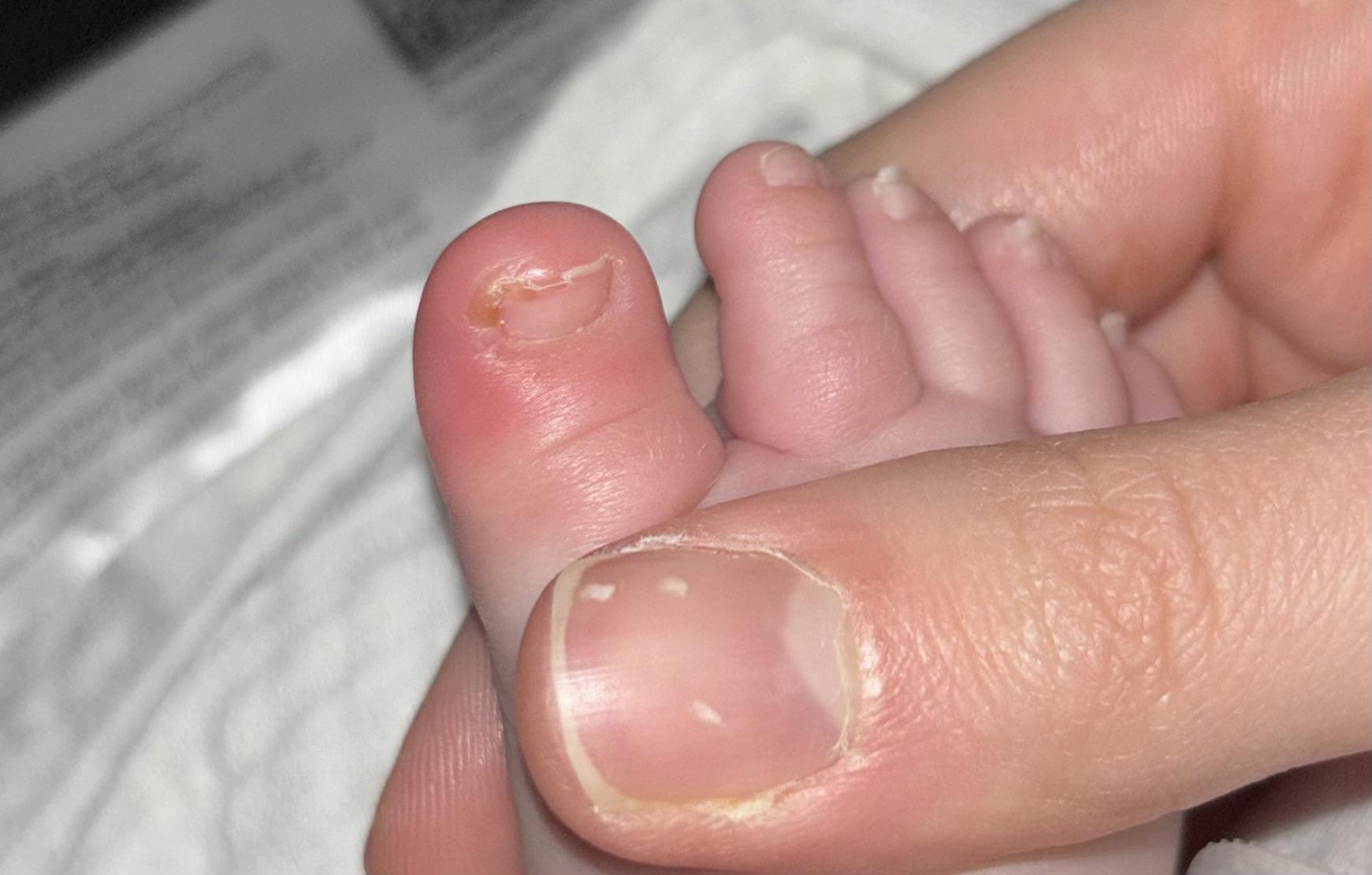
Reach out to your physician if you observe signs of infection: heightened redness, swelling, warmth, yellow discharge, or if your baby has a fever. Additionally, reach out if the bleeding persists after 10 minutes of steady pressure, or if the wound is deep or appears wide open.
Measures for Future Instances
- Utilize baby nail clippers or a gentle emery board right “after” a bath when the nails are more pliable.
- Trim nails straight across instead of rounding the corners.
- Ensure you have adequate lighting and think about getting another adult to assist in keeping your baby’s hand still.
Signs the Cut Is Healing Normally
You can feel at ease if you observe:
- No ongoing bleeding
- Absence of swelling
- No fluid or secretion
- Infant not exhibiting discomfort
These signals suggest positive recovery.
Doctor Warning Signs – When to Seek Medical Help
Even though it’s uncommon, parents ought to see a physician if they observe:
Red Flags
- Bleeding that does not cease after applying pressure for 10 minutes
- Rising redness or inflammation
- Yellow fluid or pus
- High temperature or atypical irritability
- Finger appears warm or hurts when touched
These could signal an infection or a more severe injury. Finding your baby’s nails bleeding after a trim can be a common and alarming experience for parents. The first actions are to remain composed, apply steady pressure using a clean cloth, and gently clean the affected area. Although most minor nail cuts heal rapidly at home, it’s important to recognize the warning signs from a doctor that suggest the necessity for professional medical assistance. Identifying these symptoms quickly can avoid issues and promote your baby’s quick healing.
Symptoms Indicating the Need for Medical Care
Contact your pediatrician or get immediate care if you notice any of these concerning signs:
- Uncontrolled Bleeding: If consistent, gentle pressure maintained for a complete 10 minutes fails to halt the bleeding.
- Indicators of Infection: Watch for heightened redness, swelling, warmth near the wound, or the appearance of yellow or green discharge.
- Deep or Extensive Wound: If the laceration looks deep, wide, or is situated on the finger’s side close to the nail bed (the quick).
- Fever: If your infant shows a fever (100.4°F or 38°C rectally for infants under 3 months) in the days after the injury.
- Behavioral Alterations: Uncommon irritability, lack of energy, or reluctance to use the hurt hand, suggesting possible severe pain or infection.
Actions to Take When Requesting Assistance
If you choose to pursue medical assistance, maintain gentle pressure with a clean bandage while traveling to the clinic or hospital. Ensure your baby is relaxed and at ease. Be ready to inform the doctor about when the accident occurred, what you used to cut the nail, and the initial first aid measures you’ve already performed.
Avoidance is Essential
To avoid future mishaps, consistently utilize appropriate baby nail clippers or a gentle emery board. Cut nails straight across while your baby is calm or sleeping, and make sure you have good lighting.
Additional Safety Recommendations for Parents of Infants
It’s always preferable to prevent than to treat. These suggestions lower potential risk.
1.Select the Optimal Moment Cut nails:
- When the baby is sleeping
- Following a soothing bath
- When the infant is serene
2.Utilize Tools Designed for Babies
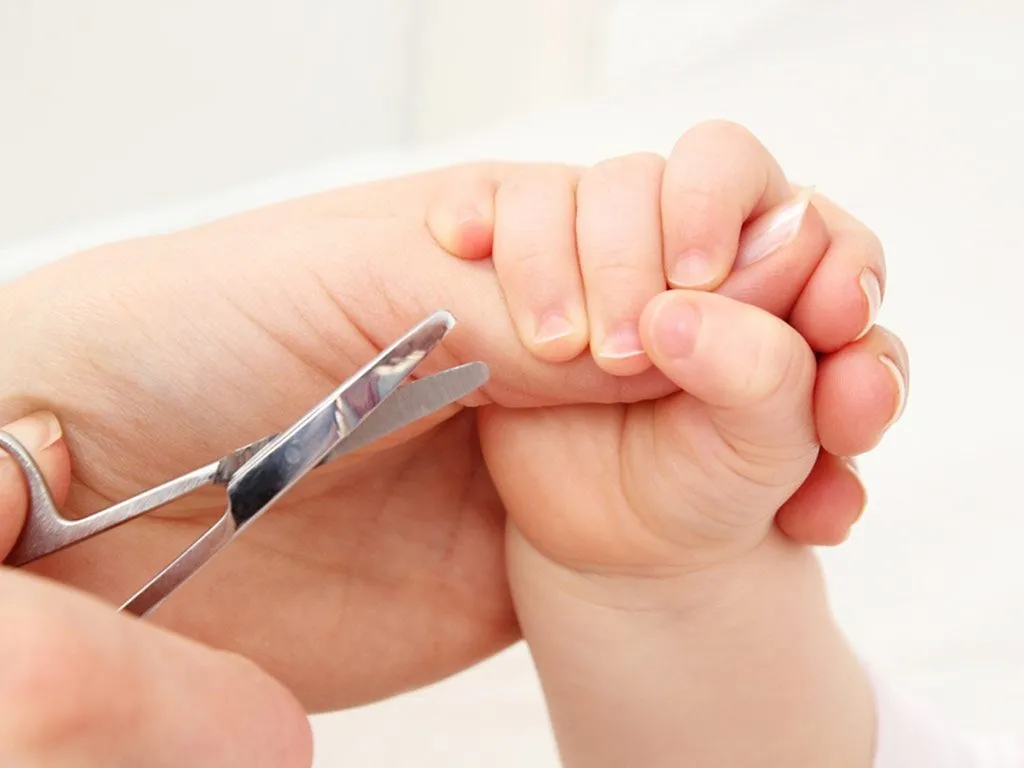
- Infant nail scissors featuring rounded ends
- Infant nail scissors
- Gentle infant nail files
- Electric infant nail clippers
3.Cut Small and Frequently
Regular minor trims are safer than postponing for too long.
- Seek Assistance When Necessary
- An additional adult may softly grasp the baby’s hand.
4.Emotional Support for Caregivers
If you are viewing this following an incident, keep in mind:
- Nearly every parent goes through this at least one time.
- It does NOT imply you’re careless
- Your infant will recover swiftly.
- It’s perfectly fine that you’re in the process of learning.
Ways to Avert Future Bleeding Events
- Cut nails in good lighting
- Push finger pad away from nail
- Slice directly across
- Use a file instead of scissors for newborns
Prevention fosters assurance and diminishes anxiety.
Knowing how to handle bleeding baby nails after cutting them is essential for becoming a confident caregiver
Widespread Misconceptions Regarding Bleeding Nails in Infants
Myth 1: Bleeding Indicates Major Injury
Incorrect. Most wounds are surface-level.
Myth 2: Infants Experience Intense Pain
Small cuts can lead to temporary discomfort without enduring pain.
Myth 3: You Must Never Cut Baby Nails
Trimming is essential to avoid scratching wounds.
Commonly Asked Questions
Q1. Is it normal for baby nails to bleed after trimming?
A: Indeed, it is a frequent and sometimes intimidating experience for parents, particularly those who are caregivers for the first time. Infant nails are small, fast-growing, and linked to a delicate nail bed (the “quick”) that is situated very near the surface. It’s simple to unintentionally cut a bit too near, particularly when your baby is squirming. Although distressing, it is usually a minor injury that recovers swiftly with appropriate treatment.
Q2. What amount of bleeding is considered normal?
A: slight amount of bleeding—only a few drops that create a small bead—is typical for a minor cut on the nail. This should cease entirely once you exert gentle, firm pressure with a clean cloth for two complete minutes. If the bleeding exceeds a few drops, seems to be pouring, or doesn’t stop with direct pressure after 10 minutes, it is crucial to reach out to your pediatrician for additional advice.
Q3. Is it okay to apply antibiotic ointment to the cut?
A: It is advisable to use an antibiotic ointment only when it has been explicitly suggested by your pediatrician. For the majority of simple, clean cuts, regular petroleum jelly (such as Vaseline) is a superb and safe option. It forms a safeguarding, damp shield over the injury to avert infection and encourage healing without the danger of superfluous antibiotics or possible irritation from additional components.
Q4. Is it necessary to put a bandage over the cut?
A: It is usually recommended to avoid using a regular adhesive bandage on a baby’s finger or toe. Infants investigate their surroundings using their mouths, and a slack bandage may pose a choking risk. A better option is to place a clean, well-fitting baby sock or mitten on your baby’s hand to stop them from aggravating the cut as it starts to heal.
Q5. Will my baby’s nail grow back as usual?
A: Indeed, for a small cut on the skin near the nail or at the tip of the nail bed, the nail typically grows back completely normally. The nail plate develops from the base (the cuticle), so harm near the tip does not impact future growth. As the nail grows out in the coming months, you might notice a temporary ridge or line, but the new nail beneath will be smooth
Q6. Is infection likely to occur easily?
A: Infection from a minor nail cut is rare if you maintain cleanliness in the area. The key symptoms of infection to monitor in the coming days are growing redness, swelling, warmth, pus, or if your baby starts to show a fever. Gently cleaning the area with mild soap and water once and maintaining its cleanliness is often enough to avoid any problems.
Q7. Should I refrain from trimming nails entirely after bleeding?
It’s smart to take a break for a few days to allow the soreness to diminish and a slight scab to develop. When you continue, do so with heightened caution and assurance. Utilize appropriate baby nail clippers or a gentle emery board, cut in sufficient light, and think about doing it while your baby is sleeping or quite relaxed. You might also consider filing your nails instead of clipping them for some time until you feel more at ease.
Concluding Remarks
Comprehending why baby’s nails bleed after trimming and what actions to take turns a frightening scenario into a controllable circumstance. Noticing blood on your baby’s small finger can be alarming, but in most instances, they are minor injuries that quickly heal with basic first aid.
Remaining composed, using light pressure, steering clear of harmful behaviors, and recognizing when to obtain medical guidance are essential for safe nail care for babies.
All parents gain knowledge through their experiences. This moment isn’t a measure of your parenting; it enhances it. With patience, appropriate tools, and the correct information, you can competently nurture your newborn and manage unforeseen circumstances with steady confidence.
2 Comments on “Baby Nails Bleeding After Cutting What to Do – What Parents Should Do”