
Table of Contents
Signs of Nail Infection in Babies, indicators of nail infection in infants are linked to comprehending baby nail growth, particularly in the initial months when nails develop quickly and the adjacent skin is sensitive. Although many nail alterations are benign, infections may arise if injuries, ingrown nails, or inadequate hygiene permit bacteria to penetrate. Timely recognition enables parents to respond rapidly and safeguard their child’s well-being.
Reasons Nail Infections May Occur During Infant Nail Development
The growth of baby nails is quick, and the nails are delicate and pliable. Minor nicks from clipping, removing nail cuticles, or persistent dampness can cause small gaps around the nail base. Due to the ongoing development of a baby’s immune system, these regions are more susceptible to infections than those in adults.
How Do Infants Acquire Nail Infections?
Nails frequently subjected to moisture and warmth are more prone to fungal infections. This may occur due to frequently wearing damp shoes and walking barefoot on shower floors. Alternatively, it may occur if your child exchanges personal items like towels and nail clippers.
Typical Indications of Nail Infection in Infants
Parents need to consistently examine fingers and toes for these alert signals:
1. Inflammation Surrounding the Nail
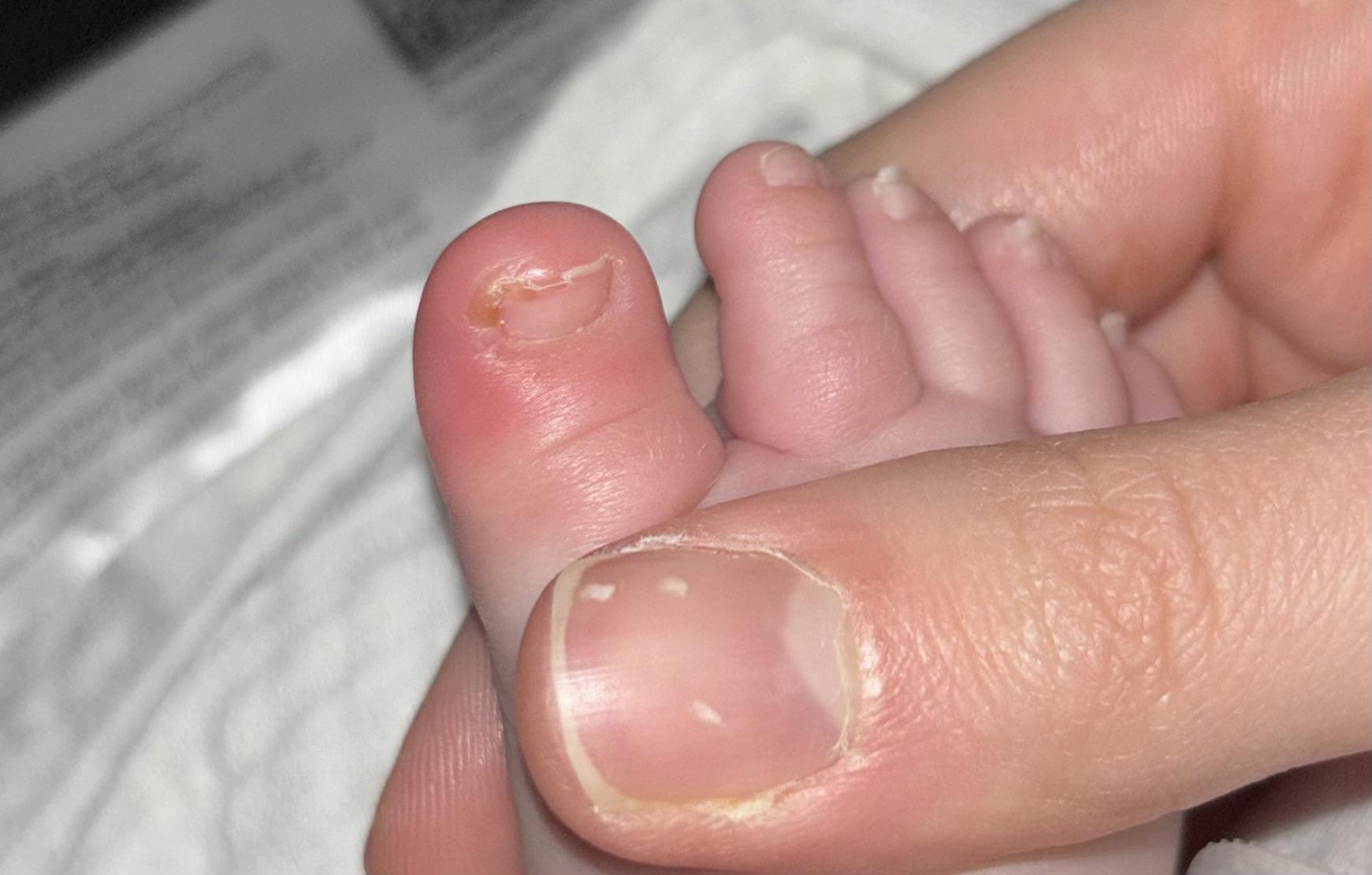
Ongoing redness or swelling around the nail bed is frequently the initial indication of infection.
2. Bloating or Inflation
If the skin near the nail appears puffy or feels constricted, it could signify irritation or infection.
3. Heat or Affection
Infected regions might feel hotter than the adjacent skin and lead to discomfort upon contact.
4. Fluid or Yellow Secretion
Any release is a definite indication of infection and must not be overlooked.
5. Heightened Discontent
If your baby weeps when a finger or toe is gently pressed, infection-related pain might be the reason.
Distinction Between Typical Infant Nail Growth and Infection
Nails that are peeling, have jagged edges, or show slight redness post-trimming are normal during a baby’s nail development and typically resolve naturally. Signs of infection continue, escalate, or involve swelling and secretion.
Ways to Minimize the Chance of Nail Infections
- Maintain nails at a short length and even texture
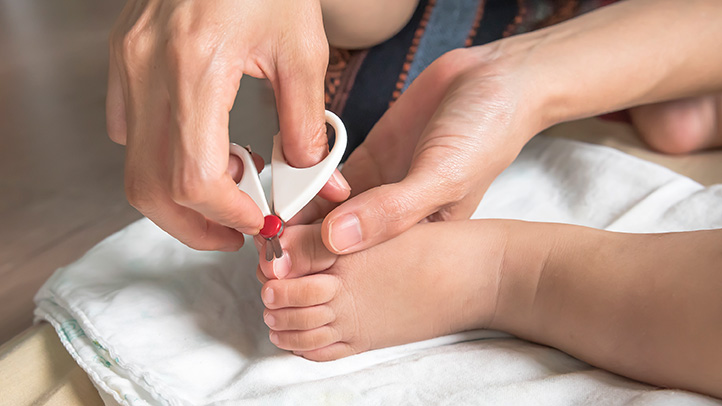
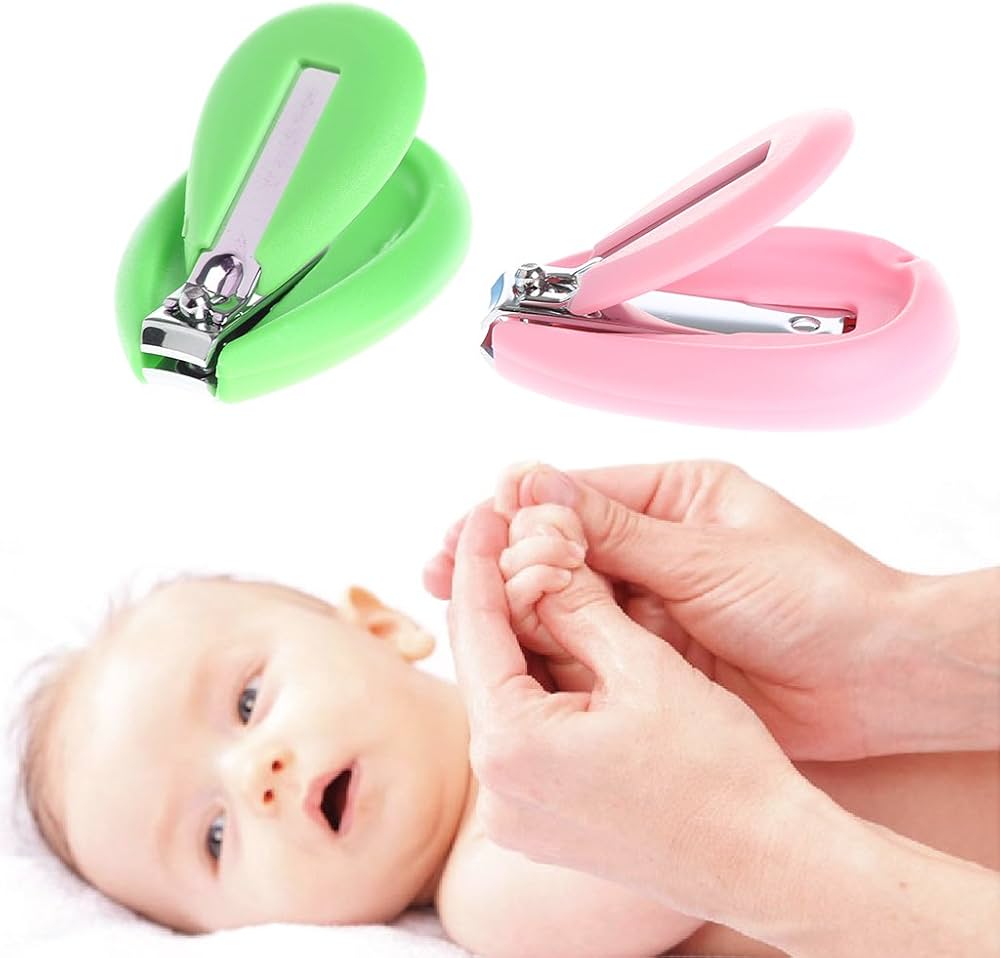
- Utilize nail tools that are safe for babies
- Wash hands and feet routinely
- Steer clear of trimming nails excessively short
Signs of Nail Infection in Babies Parents Should Not Ignore
Indicators of Nail Infection in Infants That Parents Must Not Overlook are closely associated with recognizing baby nail development, which occurs quickly during the initial months of life. Though many nail changes in infants are benign, infections near the nail bed can escalate rapidly if minor cuts, ingrown nails, or moisture create openings for bacteria to enter. Timely identification is crucial to avert discomfort and complications.
Reasons Nail Infections May Happen During Newborn Baby Nail Development
Nail growth in babies is rapid, and their nails are delicate and pliable. Small cutting injuries, flaking nails, or persistent dampness from socks and gloves can lead to gaps around the nail. Due to the ongoing development of a baby’s immune system, these regions are more susceptible to infection.
Important Indicators of Nail Infections in Infants That Parents Must Recognize
Parents need to check fingers and toes consistently and look out for these warning signals:
1. Persistent Redness
Ongoing redness or swelling around the nail bed is an initial indication that should not be overlooked.
2. Bloating or Enlargement
Swelling near the nail or fingertip might suggest infection instead of typical baby nail development.
3. Heat or Suffering
If the region feels warm or your baby responds when the nail is touched, an infection might be occurring.
4. Fluid or Yellow Secretion
Any discharge is an obvious sign of infection and needs immediate attention.
5. Alterations in Nail Appearance
Nail discoloration, thickening, or lifting may indicate an advancing infection.
Normal Baby Nail Development vs Infection
Common and typically harmless, peeling or irregular nail edges occur frequently. Infections deteriorate with time and frequently involve inflammation, discomfort, or secretion.
When Parents Should Pursue Medical Attention
See a pediatrician if:
- Symptoms intensify within 24–48 hours
- Redness extends
- A fever occurs
- Presence of pus is evident
Timely intervention helps avert complications.
Avoiding Nail Infections in Infants
- Cut nails softly and consistently
- Utilize nail tools that are safe for infants
- Maintain cleanliness and dryness of hands and feet
- Don’t cut the nails shorter than needed
Normal vs Infected Nails: How Parents Can Tell the Difference in Babies
Normal and infected nails is an important subject for parents observing their baby’s nail development, particularly after discovering the Signs of Nail Infection in Babies Parents Must Not Overlook.
Early Symptoms vs Normal Baby Nail Growth
Normal baby nail growth often includes uneven edges or mild redness after trimming that resolves quickly. Early symptoms of infection persist or gradually worsen instead of improving on their own.
Typical Growth of Baby Nails May Involve
- Delicate, slender nails
- Minor flaking or irregular borders
- Slight redness following trimming
- Rapid nail regrowth
Such alterations are typical and generally harmless.
Key Differences: Normal vs Infected Nails
| Feature | Normal Nails | Infected Nails |
| Redness | Mild, temporary | Persistent, spreading |
| Swelling | Minimal or none | Noticeable swelling |
| Discharge | None | Pus or fluid |
| Pain | No reaction | Baby cries when touched |
| Healing | Improves naturally | Worsens without care |
When Parents Should Be Concerned
Parents ought to consult a doctor if symptoms persist beyond 24–48 hours, deteriorate, or occur with fever or heightened irritability.
Early Symptoms of Nail Infection in Babies Parents Should Not Ignore
Early symptoms of nail infection are closely tied to understanding baby nail growth, especially when parents notice the Symptoms of Nail Infection in Infants, they must take them seriously.
Typical Initial Signs of Nail Infection in Infants
Appearance of Infected Nails in Infants
- Light Redness Around the Nail
- Mild Puffiness
- Warm Skin Near the Nail
- Increased Sensitivity
- Changes in Nail Texture
- Discharge that is pus-like or yellow
When Parents Should Take Action
If early symptoms last more than 24–48 hours, worsen, or are accompanied by pus, spreading redness, or fever, parents should contact a pediatrician promptly.
Causes of Nail Infection in Babies Parents Should Not Ignore
The causes of nail infection are strongly associated with the growth of baby nails.
Common Causes of Nail Infection in Babies
- Accidental cuts during nail trimming
- Ingrown nails
- Moisture trapped around nails
- Poor nail hygiene
- Scratching and skin breaks
- Improper nail tools
Why Baby Nail Growth Increases Infection Risk
During baby nail growth, nails are thin, soft, and often trimmed frequently. Small cuts or ingrown nails can allow bacteria to enter easily.
Home Care for Baby Nail Growth: What Parents Should Do and Watch For
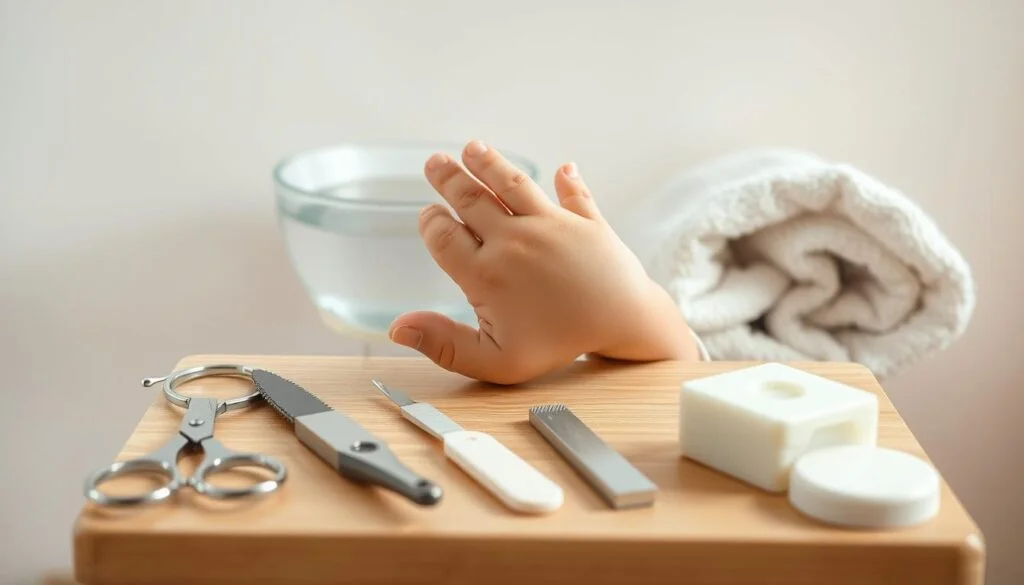
Home care plays a vital role in supporting healthy baby nail growth and preventing infections.
Essential Home Care Steps for Baby Nails
- Keep nails clean and dry
- Trim nails safely and regularly
- Smooth rough edges
- Monitor for early infection signs
When Home Care Is No Longer Enough
Once symptoms worsen, redness spreads, swelling increases, pus appears, or fever develops, professional guidance becomes essential.
When Doctor Needed for Baby Nail Problems: A Parent’s Guide
Knowing when doctor needed helps parents protect healthy baby nail growth.
When to See a Doctor
- Redness spreads
- Swelling increases
- Pus appears
- Fever develops
- Symptoms don’t improve within 24–48 hours
Frequently Asked Questions (FAQs)
When should I take my baby to the doctor?
If symptoms last longer than 24–48 hours or worsen.
Is pus serious?
Yes, it requires medical evaluation.
Can infections heal on their own?
Very mild irritation may, true infections usually need treatment.
Does fever mean severity?
Yes, seek medical care immediately.
Should trimming stop?
Yes, until healing or doctor advice.
Final Thoughts
Understanding the signs of nail infection in babies helps parents monitor healthy baby nail growth and act quickly when something seems wrong. Regular checks, gentle nail care, and timely medical advice ensure your baby’s nails stay healthy and infection-free.
One comment on “Signs of Nail Infection in Babies: What Parents Should Watch For”