
Table of Contents
This article covers nail anatomy, the importance of care as we age, and professional tips for maintaining healthy nails at home.
1. Introduction:
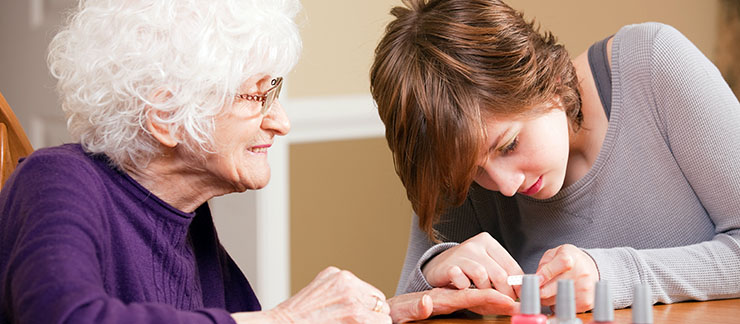
Nail Care Tips for Elderly at Home nail care tips for seniors are crucial for ensuring comfort, cleanliness, and overall well-being as we grow older. As nails become thicker, more fragile, and difficult to handle with age, appropriate at-home nail maintenance aids in avoiding pain, infections, and mobility challenges—particularly for older adults who might have reduced flexibility or eyesight.
2. Why is Nail Care Important?
Similar to other consistently exposed areas of the body, fingernails can be harmed and undergo aesthetic alterations. As fingernails are typically always visible, alterations in their appearance are generally quite apparent. You might be asking yourself how to begin with nail care, especially regarding cuticle care. Continue reading to discover our advice on nail care, encompassing cuticle maintenance, the significance of hand and nail cream, and how to create a nail care routine for healthy, attractive nails.
3. What is Each Part of the Nail?
A fingernail comprises of six main parts: the root, nail bed, nail plate, cuticle, paronychium, and hyponychium.
The Root
The root is the white semi-circular area nearest to the knuckle and is responsible for the growth of nails. A healthy fingernail is smooth, uniform in color, and free of discoloration or spots, though light ridges and grooves are completely normal as well. With this knowledge and an understanding of each part of the fingernail, you can start to pinpoint potential problems and develop a suitable nail care regimen.
The Nail Bed
The nail bed is the layer of skin under the nail that houses nerves and blood vessels and stretches from the root to the tip. A healthy nail is smooth, uniform in color, and devoid of discoloration or spots, though slight ridges and grooves are perfectly normal.
The Nail Plate
The nail plate refers to the actual nail, which is smooth on top and has grooves below to assist it in attaching to the nail bed. A healthy fingernail is smooth, uniform in color, and devoid of discoloration or spots, though slight ridges and grooves are also entirely normal.
The Cuticle
The cuticle is the skin border at the base of the nail, which adheres the nail to the finger. Cuticle maintenance is particularly crucial because it covers the space between the nail plate and finger, making it susceptible to infection when exposed.
Paronychium
Paronychium refers to the skin located on both sides of the nail, which may be susceptible to ingrown nails and infections of the skin.
The Hyponychium
The area under the free edge of the nail. A healthy nail is smooth, uniform in color, and lacks discoloration or spots, though slight ridges and grooves are entirely normal. With this knowledge and an understanding of each part of the fingernail, you can now find possible problems and create an effective nail care routine.
4. Why Nail Care Is Important for the Elderly
In older individuals, unkempt nails may result in issues like ingrown nails, fungal infections, and trouble walking because of sore toenails. Chronic conditions such as diabetes or poor circulation increase the necessity of regular nail care, since minor nail problems can escalate into serious issues if overlooked.
5. Safe Nail Care Tips for Elderly at Home
- Consistency: Begin by cutting nails consistently, preferably every 2–4 weeks, based on how quickly they grow.
- The Technique: Always trim nails straight across to avoid ingrown nails, particularly on toes. Once trimmed, carefully smooth sharp edges with a soft nail file to prevent unintended scratches.
- Soaking: Soaking hands or feet in warm water for 5–10 minutes prior to trimming softens thick nails, facilitating a safer and easier cut. This straightforward measure is among the most efficient nail care suggestions for seniors at home.
6. Choosing the Right Tools
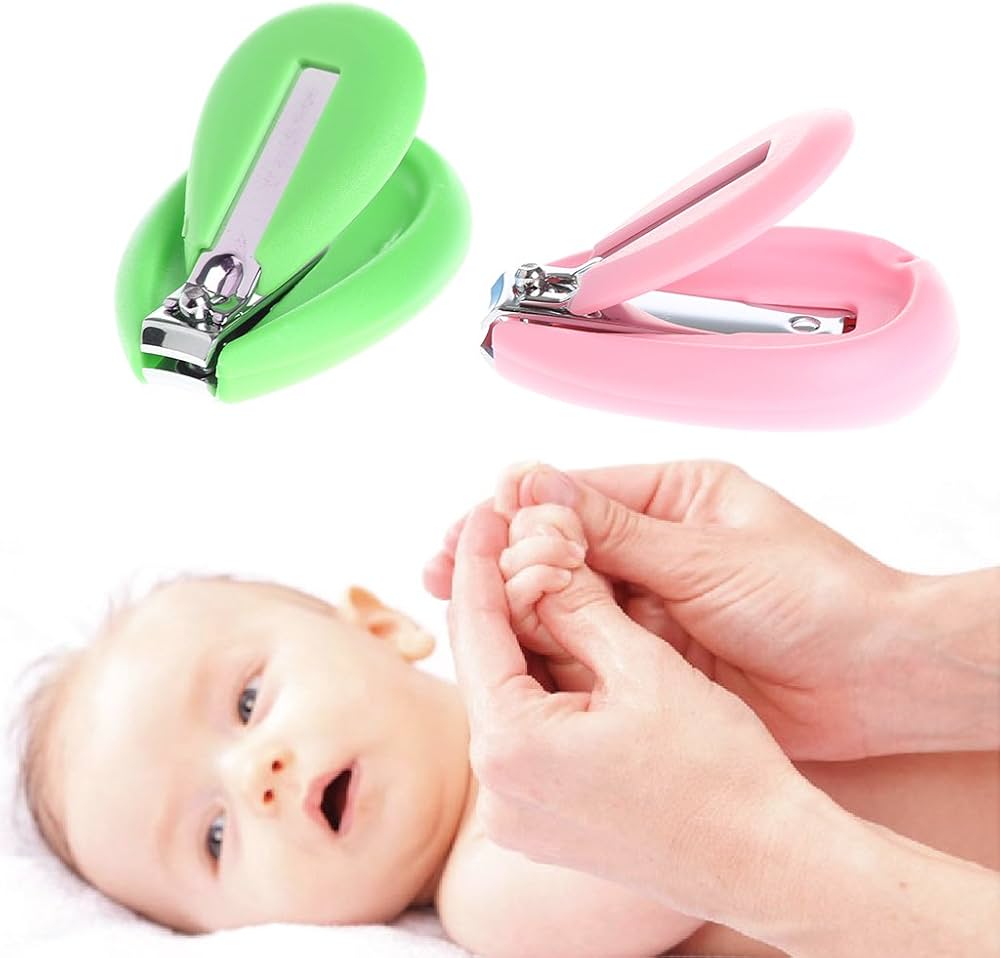
Utilize nail clippers designed for seniors that feature larger handles or ergonomic grips for enhanced control. Steer clear of blunt or corroded tools, since they can rip nails and elevate the likelihood of infection. Sanitize and sterilize nail instruments after each use to ensure cleanliness and confidence in at-home care practices.
7. Hydration and Everyday Maintenance
In seniors, dry and brittle nails are prevalent. Using a mild moisturizer or cuticle oil each day maintains the health of nails and the skin around them. Nevertheless, steer clear of applying lotion between the toes, since excess dampness may promote fungal development.
8. When to Be Extra Careful
Senior individuals with diabetes, vision problems, or nerve complications should refrain from trimming nails too short. When nails are excessively thick, discolored, or painful, it’s advisable to consult a professional instead of trying harsh trimming at home.
9. Aging & Nails
Aging and nails are intricately linked, as alterations in nail texture, hue, and growth are a normal aspect of growing older. Comprehending the impact of aging on nails aids families and caregivers in delivering safer, more effective nail care at home.
- The Impact of Aging on Nail Health: As individuals get older, the growth of nails decreases, and they frequently become thicker, more fragile, or change color. These elements can lead to nails breaking easily, forming ridges, or curling inward.
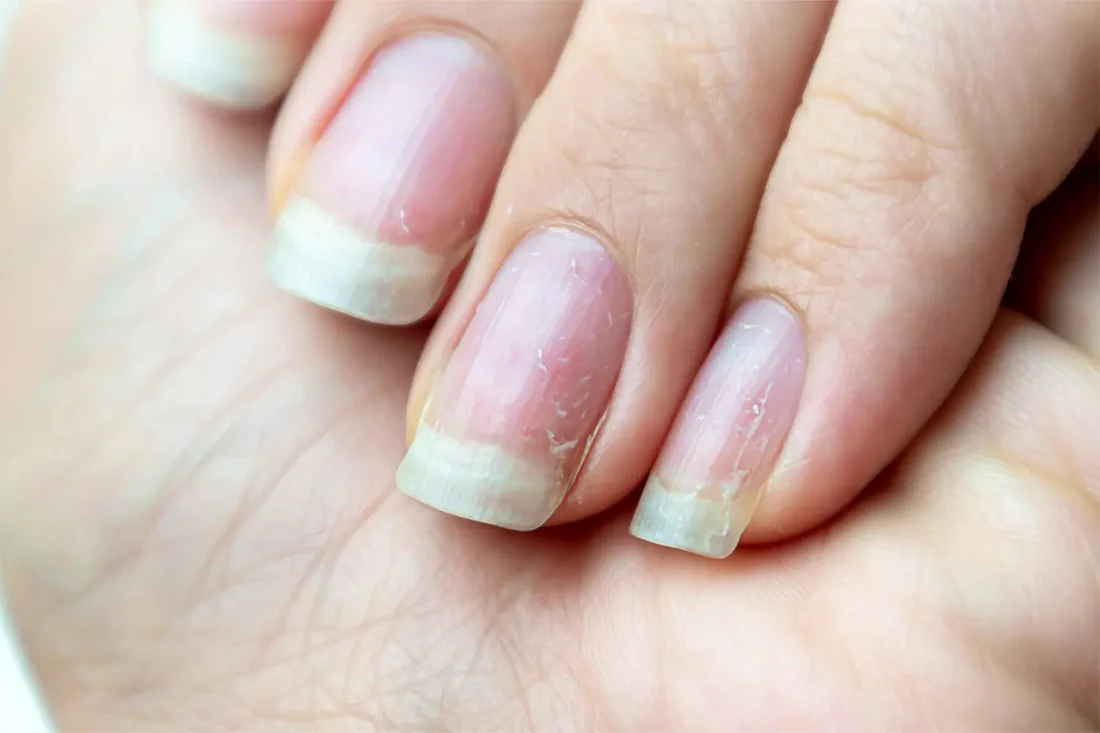
- Typical Nail Alterations in Senior Individuals: Numerous seniors face dry, brittle nails because of decreased natural oil generation. Specifically, toenails can become thicker and tougher, which makes cutting them challenging.
- The Importance of Proper Nail Care as We Age: Ignoring nail care in older adults may result in painful ingrown nails, infections, and challenges with walking.
10. Top Nail Care Tips for Maintaining Healthy and Beautiful Nails
Possessing strong, attractive nails goes beyond looks; it also indicates good health. Regular maintenance and proper practices can ensure your nails appear neat and well-kept.
- Maintain Clean and Dry Nails: Soil and germs can build up beneath your nails, resulting in infections or fragility.
- Cut and Shape Frequently: Frequent trimming stops nails from growing too long and breaking easily.
- Hydrate Your Nails and Cuticles: Use a moisturizing cuticle oil or hand cream each day to avoid dryness and cracks.
- Refrain from Utilizing Your Nails as Tools: Using your nails to open packages or remove stickers may lead to chipping and breakage.
- Safeguard Your Nails Using Gloves: Tasks at home, such as doing the dishes or using cleaning products, may damage your nails.
- Select Non-Harmful Nail Products: Choose non-toxic, nourishing products to ensure they always look their finest.
- Sustain a Nutritious Eating Plan: Nutrition significantly affects health. Eggs, nuts, and leafy greens rich in biotin, protein, and omega-3 help get stronger nails.
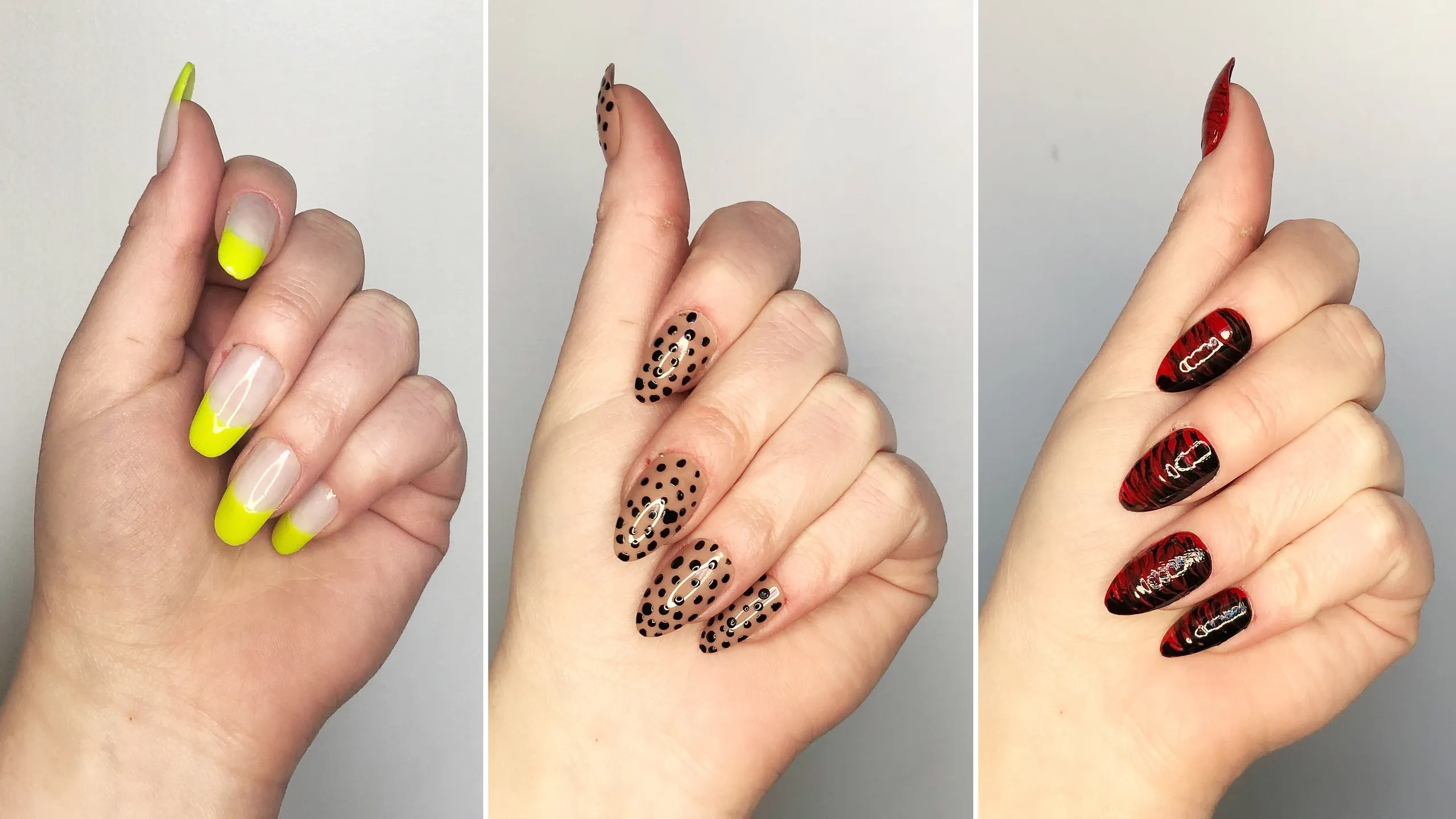
- Receive Routine Manicures: A skilled manicure can greatly enhance your nails, maintain their strength, and boost blood flow.
- Think About Hand and Nail Massages: Massaging enhances blood flow, leading to more robust nail growth.
- Health Refers to Healthy Skin and Healthy Nails: Prepare yourself for a revitalizing facial before getting your nails done for a full-on pampering experience.
Note: For specific tips on children’s nail health and managing brittle nails, please proceed to our second part of this guide. Go to Article 2: Pediatric Care and Advanced Nail Troubleshooting
One comment on “Nail Care Tips for Elderly at Home”