
Table of Contents
Nail Care, Brittle, this article focuses on troubleshooting common nail issues, dermatologists’ advice, and specific care routines for children.
1. Nail Care Against Brittle Nails
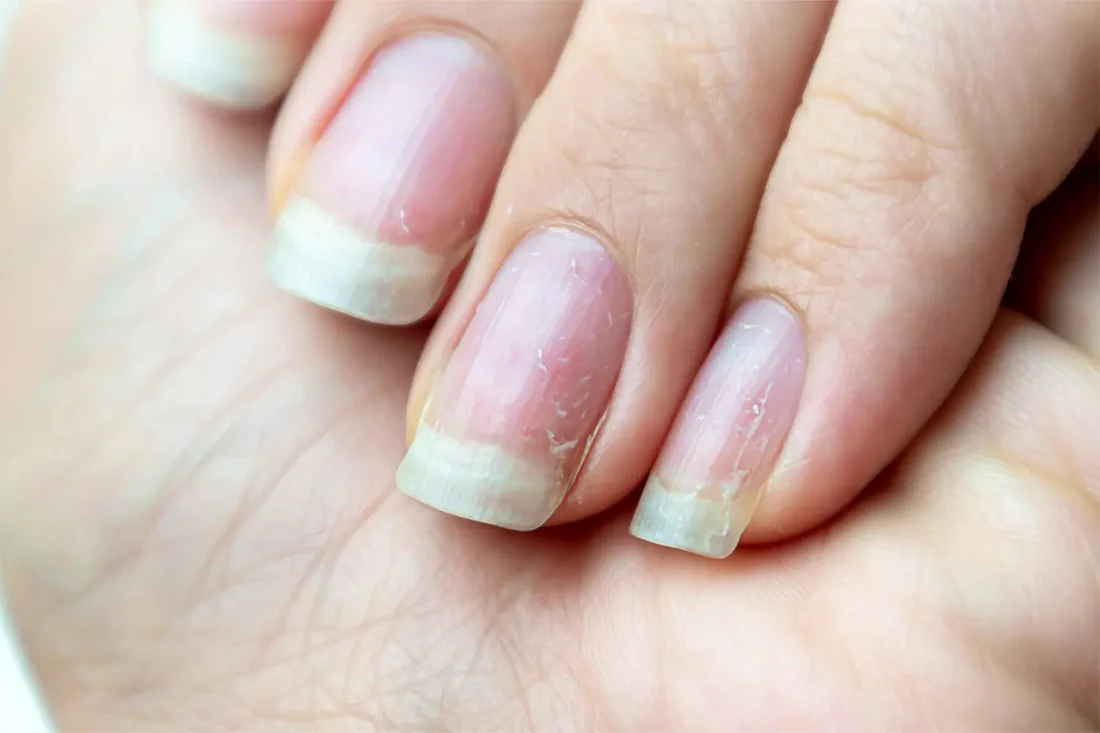
If you observe that your nails appear and feel fragile, it could be the right moment to incorporate some additional steps. Brittle nails may be soft or they can be dry.
- Soft and Brittle Nails: Have excessive moisture content. They frequently result from excessive use of nail polish remover or prolonged contact with strong chemicals, like detergents.
- Dry and Brittle Nails: These do not retain moisture, which can occur after regularly washing and drying hands. Weak nails can also stem from a lack of nutrients, such as iron.
- Solutions: If nails are dry, use a moisturizing hand and nail cream before sleeping. Specifically, seek out rejuvenating components, such as provitamin B5. Wearing gloves is advisable when possible. Additionally, you might consider using a nail hardener.
2. Cuticle Care Tips and Advice
The cuticle may appear as a barrier when putting on polish. Yet, pushing back or trimming the cuticle can lead to inflammation and possibly increase the risk of infection.
- Leave the Cuticle Untouched: It is advisable to let it be.
- Hydration: Use a hand and nail cream or ointment for severe dryness.
- Avoid Harsh Manicures: Temporary beauty can negatively impact growth and health in the long run.
- Avoid Acetone: Refrain from using acetone-based varnish remover often, as it dries out the cuticle.
3. From Brittle to Beautiful – 13 Nail Care Tips That Work
Having trouble with delicate, uneven nails? Here are 13 highly effective tips:
- Staying Hydrated is Essential: Moisturizing prevents brittleness.
- File in a Single Direction: Refrain from sawing in both directions to minimize splitting.
- Maintain Trimmed and Shaped Nails: Choose a shape that aligns with your lifestyle.
- Handle Cuticles with Care: Softly guide them back after a soothing shower.
- Safeguard Your Nails while Doing Housework: Donning gloves is a minor action that protects.
- Refrain from Biting or Picking: Gnawing can lead to enduring harm.
- Refrain from Using Nails as Implements: Utilize the appropriate tools instead.
- Adhere to a Regular Nail Care Regimen: Consistency is crucial.
- Allow Your Nails to Rest: Give nails a break from polish and gel.
- Utilize Few Severe Chemicals: Choose milder options whenever feasible.
- Polish, but Avoid Excessive Polishing: Buffing provides luster but can weaken nails if overdone.
- Adopt a Revitalizing Nail Oil Therapy: Incorporating treatment like Hibiscus Monkey Nailed It moisturizes.
- Knead Cuticles and Nails: Gently rub to boost blood flow.
4. Dermatologists’ Tips for Healthy Nails
- Maintain nails in a clean and dry state.
- Trim nails horizontally with pointed nail scissors or clippers.
- Maintain nails smooth and snag-free with an emery board.
- Avoid biting your nails or taking off the cuticle.
- Avoid using your nails as tools (e.g., opening soda cans).
- Shield your nails from moisture with gloves.
- Regularly cut toenails to reduce trauma.
- Soak thick toenails in warm salted water (1 tsp salt per pint).
- Refrain from “extracting” ingrown toenails; consult a dermatologist.
- Put on shoes that are the correct size and switch pairs daily.
- Use flip flops by the pool and in communal showers.
5. When to Seek Professional Help
If nails become excessively thick, yellow, painful, or infected, it is advisable to seek professional care from a podiatrist. Vision or mobility issues can also render self-care hazardous.
6. Safe Trimming for Children (Kids Nail Care)
Safe trimming is fundamental to safeguarding children from cuts, infections, and pain.
- The Importance: Kids shift abruptly; improper trimming can result in bleeding or anxiety.
- Optimal Moment: When they are calm, like after a bath or while asleep.
- Instruments: Always utilize nail clippers intended for children or scissors with blunt tips.
- Step-by-Step: Gently hold the finger, cut straight across, maintain a slight white margin, and file rough edges.
7. Moisturizing Routine for Kids
A moisturizing regimen is essential for proper Kids Nail Care.
- Ideal Moment: After washing hands or bathing.
- Selecting Safe Moisturizers: Choose fragrance-free moisturizers or natural oils like almond, olive, or coconut oil.
- Application: Spread a little on each nail and rub into cuticles.
8. Common Problems in Children’s Nail Care
- Nail Biting: Harms nails and raises infection risk.
- Hangnails: Arise when cuticles are dry.
- Ingrown Toenails: Occur when nails are trimmed excessively short or curved.
- Infections: Inadequate hygiene may result in fungal or bacterial infections.
- Prevention: Trim regularly, moisturize, and encourage handwashing.
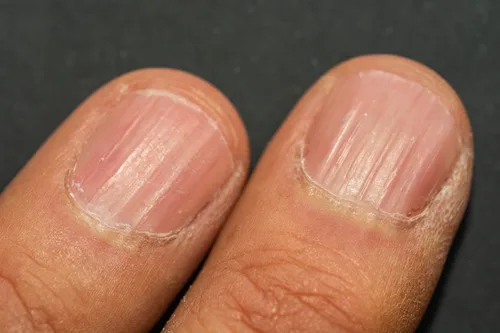
9. Common Symptoms of Unhealthy Nails
If your nails do not look healthy, look for these symptoms:
- Discoloration: Dark green/black (bacterial) or yellow (smoking/remover).
- Inflamed Cuticles: Caused by biting or picking.
- Nail Separation: Upper layer detaches from the bed (trauma or product use).
- Weak Nails: Inadequate nutrition or frequent wetting/drying.
- Dipping: Spoon-shaped appearance (possible iron lack).
- White Patches: Damage or nutritional deficiencies.
- Peeling: Trauma or extended contact with soapy water.
10. Conclusion
Through gentle methods, appropriate tools, and consistent care, older adults and children alike can sustain healthy nails. Grasping typical issues enables early intervention and avoids discomfort, ensuring that nails stay healthy and robust.
FAQ’s
Q1: What are the usual nail issues in kids?
A: Biting, hangnails, ingrown nails, and minor infections.
Q2: Why are children more prone to nail infections?
A: Contact with surfaces and hand-to-mouth contact.
Q3: Are fragile nails in children a reason for worry?
A: Typically caused by dryness; a balanced diet helps.
Q4: How to avoid typical nail issues?
A: Consistent trimming, cleaning, and hydrating.
Q5: What leads to ingrown nails in children?
A: Trimming too short or snug shoes.
Q6: When to consult a doctor?
A: If there is redness, swelling, pus, or pain.
Q7: Does nail biting lead to lasting harm?
A: Persistent biting can harm the nail bed and growth.
Q8: What is an effective nail care regimen?
A: Trimming, filing, moisturizing, and nail oil.
Q9: How to clean nails each day?
A: Gentle soap, dry thoroughly, and treat.
Q10: Three actions to avoid?
A: Biting, using nails as tools, and harsh chemicals.
Q11: Proper sequence for doing nails?
A: Trim/file, moisturize/cuticle care, buff lightly, and end with nourishing oil.
One comment on “Nail Care, Brittle Nail Solutions, and Pediatric Advanced Guide”