Table of Contents
Why Do My Nails Break Easily? Simple discussion to Stronger and Healthier Nails
Have you ever examined your nails and thought, “why do my nails break so easily?” Do your nails break, flake, or separate before they have the chance to grow adequately? If so, you are not on your own. Numerous women encounter weak and fragile nails as a result of daily routines, inadequate nail care, or insufficient nutrition.
Nails consist of stacked layers of keratin that are compacted. Nails gain their strength from keratin. Water and oils are present between the layers, hydrating the nail and maintaining slight flexibility. Blood vessels beneath the nail supply oxygen and nutrients, allowing nails to grow. Anything that harms these elements can result in weak, worn, and fragile nails.
Well-maintained nails contribute to beauty and also indicate your general health. In the current fashion scene, natural and well-groomed nails are gaining popularity over bold artificial designs. Well-groomed nails can enhance the appearance of your hands, giving them an elegant, tidy, and appealing look regardless of age.
The positive aspect is that once you grasp why your nails break easily, you can start implementing straightforward at-home measures to naturally repair and safeguard them.
Nail breakage can be incredibly annoying, particularly when you desire long, strong, and healthy nails. If you frequently encounter nails that chip, split, or break, knowing the root causes can assist you in tackling the problem effectively. Below are several frequent causes for nail breakage and actions you can take to address them.
What specifically leads to nails becoming weak and brittle?
Why Do My Nails Break Easily? Common Reasons Explained
The Issue: Lack of Hydration and Aridity: Nails, similar to skin, need hydration to remain healthy. When your nails are dehydrated, they become fragile and more likely to snap. Regular contact with water, strong chemicals, or chilly conditions can remove the natural moisture from your nails.
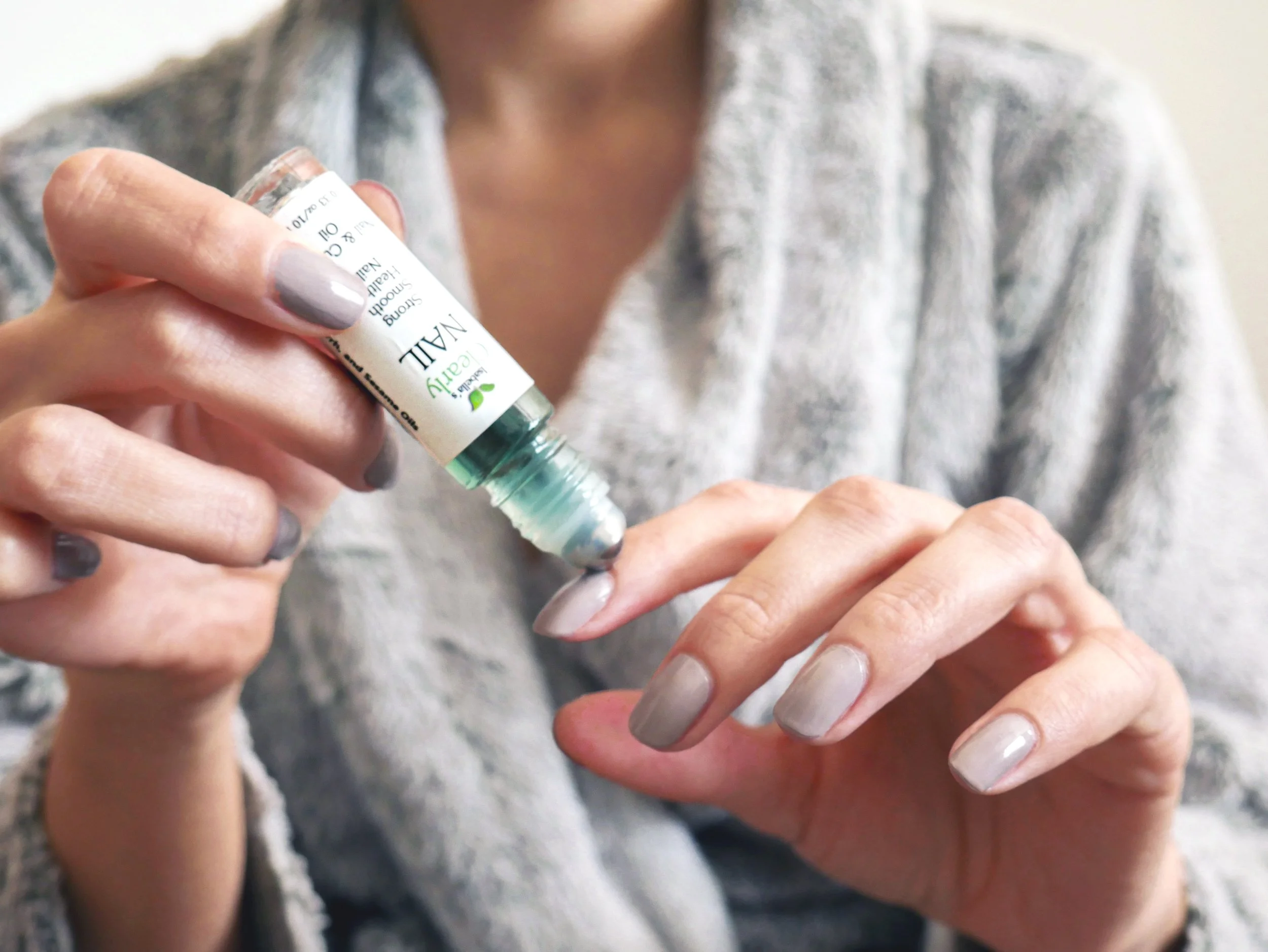
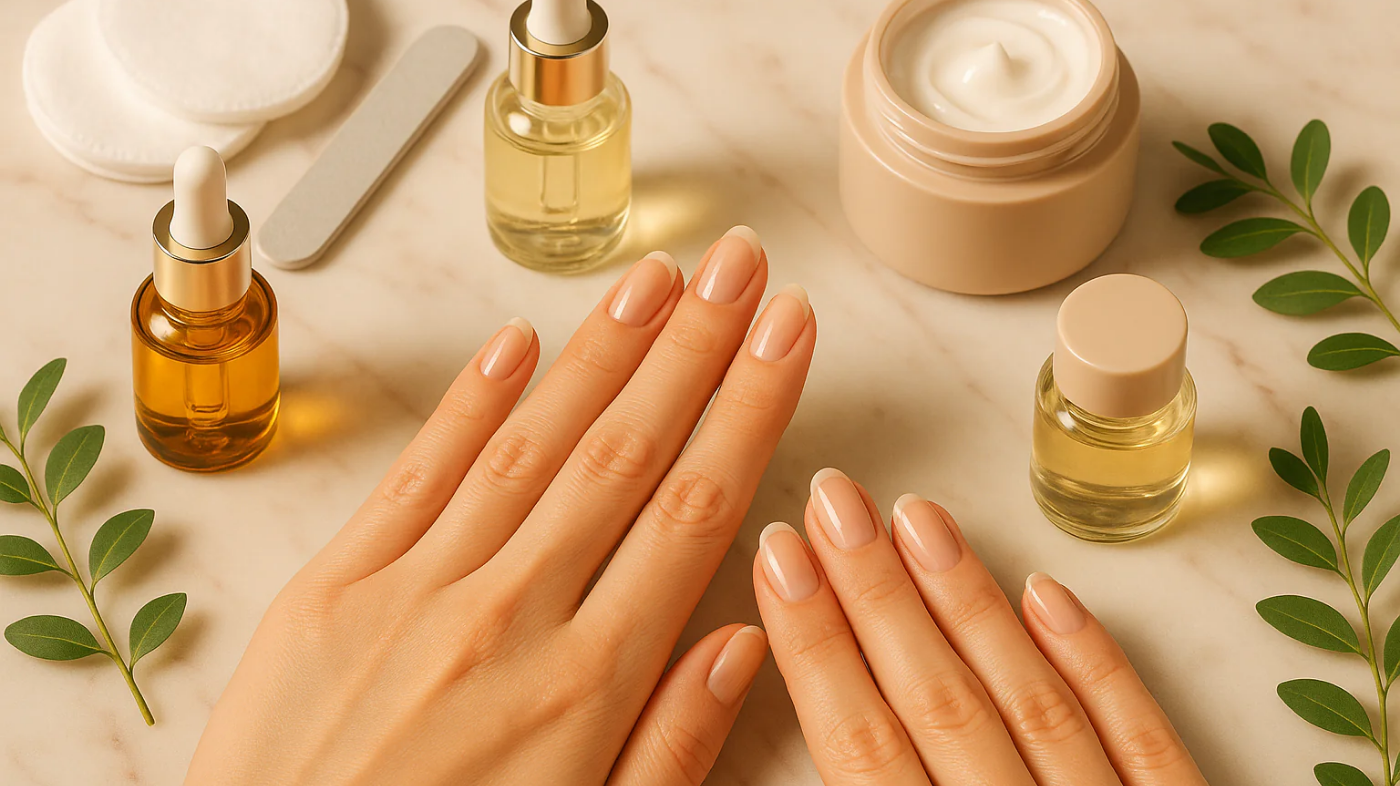
The Solution: Maintain Hydration in Your Nails: Consistently hydrate your nails and cuticles with hand cream, cuticle oil, or natural oils such as jojoba or almond oil. Using gloves during household tasks can aid in safeguarding your nails against harsh chemicals and water contact.
The Issue: Lack of Nutrients: A diet deficient in vital vitamins and minerals may result in weak or brittle nails. Essential nutrients for maintaining healthy nails are biotin, vitamin E, iron, zinc, and omega-3 fatty acids. A lack of these nutrients can lead to nails that are more prone to breaking.
The Solution: Enhance Your Nutrition: Make sure your diet is well-rounded and contains ample vitamins and minerals. Eggs, nuts, seeds, leafy greens, and fish are great sources of nutrients that support healthy nails. Think about using a biotin supplement if you believe there is a deficiency.
The Issue: Excessive Use of Harmful Nail Products: Numerous nail products available today include harmful and abrasive chemicals that may compromise and harm the natural nail bed. The chemicals known as the “Toxic Trio” to be cautious of include dibutyl phthalate, toluene, and formaldehyde; nevertheless, there are additional detrimental ingredients that can adversely affect the long-term health of your nails. Moreover, the substances found in nail polish removers, particularly those with acetone, may dehydrate and harm your nails gradually.
The Solution: Utilize High-Quality, Non-Toxic Nail Products: Utilizing premium nail products such as those from SNS avoids any toxic or harmful ingredients that can harm your natural nails, unlike many other nail products. SNS nail products are designed with nutrient-dense ingredients that enhance your nail health, providing you with longer, stronger, and healthier nails with every use.
The Issue: Regular Hand Washing and Use of Sanitizers: Though hand hygiene is essential, over-washing and frequent use of hand sanitizers can dehydrate your skin and nails, resulting in brittleness. The alcohol found in sanitizers can be especially dehydrating.
The Solution: Employ Tender Nail Maintenance: Refrain from using your nails to pry open packages or remove labels. Regularly trim your nails, use a fine-grit nail file to shape them gently, and refrain from filing back and forth, as this can lead to splits.
The Issue: Medical Issues: Specific health issues, including thyroid problems, psoriasis, and eczema, can influence the strength and growth of nails. Infections caused by fungi and other nail conditions can also lead to breakage.
The Solution: Seek Guidance from a Healthcare Expert: If you think a hidden health issue is causing your nail problems, seek advice from a healthcare professional for an accurate diagnosis and treatment strategy.
The Issue: Growing Old: As you age, your nails may naturally thin and become more susceptible to breaking. This occurs because of a reduction in the generation of natural oils and a slower process of cell renewal.
The Solution: Good Nail Practices : Nail health can be greatly enhanced by taking biotin supplements, regularly hydrating your nails and cuticles with rich creams or oils, and eating foods high in biotin, such as eggs and nuts. Breakage can also be avoided by using acetone-free nail polish removers, avoiding harsh chemicals, and practicing careful nail care. These techniques, together with a nutritious diet and enough of water, can help you maintain strong, healthy nails as you become older.
Causes of Weak Nails in Women:
Composed of layers of a protein known as keratin, your nails act as a shield for your fingers and toes. Keratin, present in the cells of your hair and skin, helps safeguard nails from harm.
However, it’s quite normal for nails to split, peel, or break. Indeed, as reported by Harvard Medical School, 27 percent of women experience brittle nails, referred to as Onychoschizia.
This may stem from a health issue or various external influences.
Nail brittleness happens from ongoing harm to the nails, even if the precise reason isn’t always clear. Direct impact damage can lead to nail brittleness, but submerging in water, using chemical nail products, and over-moisturizing can also result in harm.
What causes women to have a higher susceptibility to brittle nails?
Composed of layers of a protein known as keratin, your nails provide defense for your fingers and toes. Keratin, present in the cells of your hair and skin, serves to safeguard nails from harm.
However, it’s not unusual for nails to crack, flake, or fracture. Indeed, as reported by Harvard Medical School, 27 percent of women experience brittle nails, referred to as Onychoschizia.
This may stem from an existing health issue or various external influences.
Women frequently subject their hands to water, cleaning agents, beauty products, and chemicals. Routine domestic tasks and frequent manicures can gradually diminish the strength of the nails over time.
Insufficient levels of iron, biotin, and protein may also lead to fragile nails in women. Stress, an unhealthy diet, and lack of hydration can exacerbate the condition.
Caring for your nails in a natural way can aid in regaining their strength and luster.
Ageing:
With age, nails typically grow more brittle. Your nails are slowly but consistently growing. With advancing age, the growth of nails slows down. Since nails take more time to fully grow, they are subjected for an extended period to factors like dry air, water, and chemicals that may damage them. Menopause results in changes to the level of oil in the nail. Lower oil levels can lead to nails becoming dry and fragile.
Basic conditions
Certain health issues can result in fragile nails. These consist of:
- certain types of psoriasis
- dermatitis
- low red blood cell count
- disorders of the thyroid
The specific method through which this happens will differ.
Shortcomings
Previous studies indicate that certain deficiencies in vitamins and minerals may impact the strength of nails. Researchers observed links between deficiencies in iron, zinc, and selenium and the likelihood of brittle nails.
- Age: As individuals age, their nails frequently undergo changes, often turning dull and fragile. Though toenails typically thicken and harden, fingernails frequently become thinner and more fragile.
- Lack of iron. This condition happens when the body lacks sufficient iron, resulting in reduced red blood cell counts. Your physician might assess your ferritin level and recommend supplementation if it is determined to be low.
- Underactive thyroid. In addition to brittle nails, low thyroid levels may also cause hair loss, fatigue, weight gain, constipation, and depression. Your physician can manage hypothyroidism using the synthetic thyroid hormone levothyroxine, which is available in oral form.
- Raynaud’s phenomenon. Marked by circulation issues in the limbs, this disorder may impact nail health. Your physician might recommend calcium channel blockers like amlodipine or nifedipine, or other options like losartan, fluoxetine, or sildenafil.
Harsh nail products
Strong chemicals can harm your nails, causing them to become weaker and more fragile. Common household cleaners such as bleach, cleaning powders, and even detergents have strong components that can damage keratin and dehydrate your nails.
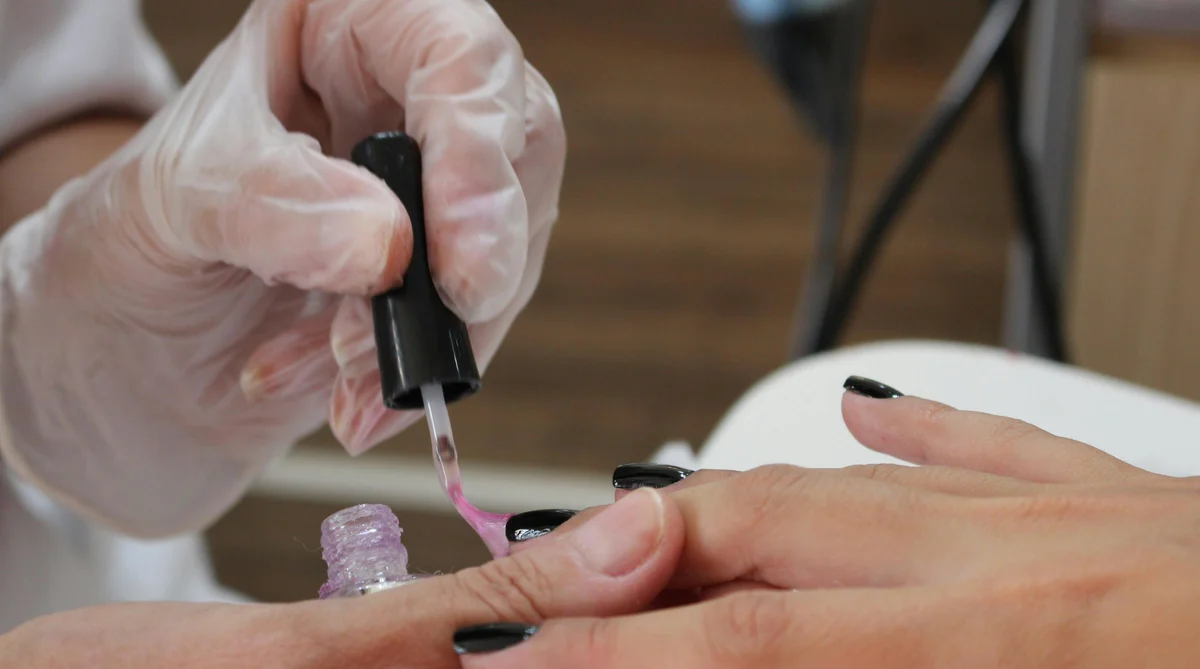
Your weekly manicure might also be causing your nails to become brittle. Standard nail polish has not been associated with brittle nails, but studies indicate that various nail care items can weaken them. Nail polish remover, gel nail polish, acrylics, and the substances used to eliminate them can all diminish and thin nails.
Your weekly manicure might also be causing your nails to become brittle. Standard nail polish has not been associated with brittle nails, but studies indicate that various nail care items can weaken them. Nail polish remover, gel nail polish, acrylics, and the substances used to eliminate them can all diminish and thin nails.
If nail products are causing your nails to crack, you could also be experiencing:
- Alterations in color, like yellowing
- Lackluster nails
Steer clear of nail products that have toluene and formaldehyde, both of which are particularly aggressive chemicals. Biotin, a B vitamin supplement, may assist in repairing your nails. However, it should be avoided if you are expecting. If your nails continue to crack after 6 months, consult your doctor.
Damp hands:
Though proper hand-washing helps maintain health, excessive hand-washing may harm nails. Repeatedly wetting and then drying your hands can lead to dry nails and cause them to become brittle.
In certain positions, regular hand-washing is simply part of the job. Moreover, hand sanitizer is not gentler on your nails. Hand sanitizers with alcohol can remove oil and moisture from your nails, resulting in dry and fragile nails.
If you are employed as a cleaner, hairdresser, or healthcare worker, prioritize the care of your hands to protect your nails from various factors that can lead to brittleness. Putting on gloves whenever you can may help safeguard your nails.
Should this be the reason for your broken nails, you might additionally experience:
- Extremely delicate fingernails
- Cracking that’s more severe during winter months
- Toenails that appear normal and are free of cracks
Your nail region may be soothed by a lotion containing lanolin or alpha-hydroxy acid. To shield broken nails, some people apply a layer of transparent nail lacquer. When your hands are in water, put on rubber gloves lined with cotton to stop more splits. To prevent further cracks, gently file down any nail snags or uneven edges.
Why Do My Nails Break Easily Even After Using Nail Products?
After getting acrylic nails or gel manicures, have you noticed that your nails are getting weaker?
Many cosmetics destroy the natural nail below while momentarily improving appearance. Strong acetone removers, gel paint, and artificial extensions can all dry up nails and lead to peeling or splitting.
Focusing on nail health is more crucial than just hiding the damage if you really want to figure out why my nails break so readily.
Nowadays, having healthy nails is seen as more stylish than having highly artificial nails.
How to Repair Damaged Nails Fast
Indeed, they require adequate attention and regularity.
Here are several natural methods to fix damaged nails:
Brittle nails snap more quickly. Utilize organic oils like:
- Oil from coconuts
- Oil from olives
- Oil from almonds
Rub oil into your nails each night before going to bed.
Maintain Short Nails:
Short nails are less prone to breaking during the healing process.
- Steer Clear of Severe Chemicals
- Limit the usage of potent nail removers and products made with chemicals.
- Consume Nutritious Foods
Nails that are healthy start from the inside.
- Ovum
- Nuts
- Seafood
- Greens
A nutritious diet aids in the natural restoration of nails.
Ways to Naturally Care for Dry Nails
Are your nails uneven, lackluster, or dry?
Dry nails are among the primary reasons individuals inquire, “why do my nails break so easily?”
To naturally care for dry nails:
- Use cuticle oil every day
- Apply hand cream after handwashing.
- Consume sufficient water
- Refrain from frequent hand washing with strong soap
Moisturized nails remain pliable and are less prone to breakage.
How to Repair Peeling Nails at Home
Do the layers of your nails come off easily?
Nails often peel due to dryness or overexposure to chemicals.
You can repair peeling nails at home by:
- Steering clear of acetone-based solvents
- Applying fortifying nail oils
- Using gloves during cleaning tasks
- Having intervals without nail polish
Tender attention allows nails to regain resilience over time.
Reasons for Splitting Nails at the Center
Have you observed a crack developing in the middle of your nail?
Nails frequently crack in the center because of:
- Damage or harm
- Overly dry conditions
- Lack of essential nutrients
- Fragile nail composition
Why Nails Become Yellow
Are your nails turning yellow even when they are clean?
Are your nails turning yellow even when they are clean?
Yellow nails are commonly caused by:
- Dark nail polish stains
- Smoking
- Fungal infections
- Poor nail hygiene
To reduce yellowing naturally:
- Soak nails in lemon juice
- Use baking soda gently
- Keep nails clean and dry
Healthy nails should appear naturally pink and smooth.
How to Heal Cracked Nails
Can cracked nails heal naturally?
Yes, but they need protection.
Here are simple ways to heal cracked nails:
- Keep nails trimmed
- Avoid pressure on cracked areas
- Use moisturizing oils
- Apply protective nail treatments
Healing takes patience, but regular care can improve nail condition significantly.
Best Treatment for Brittle Nails
Are your nails brittle, delicate, or frequently snapping? Fragile nails are a frequent issue, yet with proper attention, they can grow healthier and more robust as time goes on. The most effective therapy for brittle nails typically includes a mix of daily hydration, adequate nutrition, gentle nail care practices, and safeguarding against harsh chemicals.
Dry nails are more prone to cracking and splitting, so it’s essential to apply natural oils or moisturizing creams consistently. Oils like coconut oil, olive oil, and almond oil naturally nourish the nails and enhance flexibility.
Nourishing eating practices significantly contribute to nail strength. Nutrients abundant in vitamins, protein, iron, and biotin can promote healthier nail growth internally. Simultaneously, steering clear of aggressive nail products and reducing contact with potent detergents can help avert additional harm.
Rather than relying solely on beauty products for rapid results, cultivating healthy daily nail care practices is more effective. Natural remedies are most effective when used steadily and with patience.
How to Fix Ridges in Nails
Are there rough vertical lines or uneven ridges on your nails? Gentle nail ridges are typically a normal aspect of aging; however, more pronounced or deeper ridges may occasionally develop from dryness, dehydration, or lack of nutrients. In certain instances, a coarse nail texture might also stem from overexposure to chemicals or inadequate nail care routines.
Appropriate hydration and nourishment are the first steps towards improving nail ridges organically. Reducing dryness and improving the appearance of the nail surface can be achieved by regularly moisturizing the nails with natural oils or cuticle lotions. Rough lines may also be smoothed out by light buffing, but caution should be used to prevent thinning the nails.
Healthy nail growth can be further supported by eating foods high in vitamins, drinking plenty of water, and keeping a balanced diet. Over time, nails can grow shinier, smoother, and healthier with consistent care and feeding.
Simple Daily Nail Care Routine at Home
Would you like a simple regimen that safeguards fragile nails and maintains their natural health? An easy daily nail care regimen can significantly impact without requiring much time. In the morning, cleanse your hands softly with a gentle soap and use a moisturizer to avoid dryness. For healthy nails, it’s important to maintain hydration during the day, particularly if your hands are often in contact with water or dirt.
Throughout the day, consider using gloves while performing household tasks or cleaning, as strong chemicals and cleaners can damage the nails. Avoid using your nails as tools to open cans or scratch surfaces, since this can lead to cracks and breakage. In the evening, treat your nails and cuticles with natural oils like coconut or olive oil, and after that, put on hand cream before going to bed. These minor yet steady habits can slowly enhance nail strength and general nail health.
How to Prevent Nail Damage Naturally
Are you unknowingly harming your nails with everyday habits? Numerous individuals unknowingly damage their nails by excessively filing, biting their nails, or repeatedly applying gel manicures and harsh nail products. Avoiding nail damage naturally starts with caring for your nails delicately and shielding them from undue stress.
Steer clear of over-filing, as aggressive filing can gradually thin and weaken the nails. Quitting the habit of nail biting is also crucial as it harms the nails and the skin around them. Restricting gel manicures and allowing your nails to have frequent breaks from polish can also aid in preserving their natural strength. Maintaining nail hydration with moisturizers and natural oils is one of the easiest and most efficient methods to safeguard them against dryness and fragility. Opting for mild nail products rather than strong chemicals can enhance nail well-being.
Frequently Asked Questions
1. Even with short nails, why do they break so easily?
Dryness, malnutrition, or too much exposure to water and chemicals can all cause weak nails to break readily.
2. Is it possible for brittle nails to naturally regain strength?
Indeed. Brittle nails can gradually get better with moisturization, a nutritious diet, and good nail hygiene practices.
3. For weak nails, which oil works best?
Almond, coconut, and olive oils are great for naturally strengthening and nourishing nails.
4. How much time does it take to fix broken nails?
Depending on the damage, you might see improvement in a few weeks, but it may take many months for your nails to fully heal.
5. Can natural nails be harmed by gel nails?
If gel manicures and acrylic extensions are applied carelessly or improperly removed, they may weaken natural nails.
Conclusion: Are Your Nails Ready for Better Care?
You can start making minor but significant adjustments to your daily routine now that you know why do my nails break easily.
Although strong nails take time to develop, weak and brittle nails can be naturally strengthened at home with good hydration, a balanced diet, and moderate nail care practices.
Keep in mind that how well you take care of yourself is reflected in your nails. In addition to being aesthetically pleasing, having healthy nails is a show of self-care, wellbeing, and confidence.
So consider this: will you start taking care of your nails now or will you continue to ignore them?