Table of Contents
Why Nails Split in the Middle, to find the answer of the question we have to discuss the causes of the issue then we can go for Treatments, and Natural Remedies.
Well-maintained nails typically indicate proper self-care and overall health. What occurs when your nails unexpectedly become brittle, dry, or begin to split from the middle? Numerous individuals become anxious and inquire, “Why do nails split in the middle?” If you are experiencing the same problem, you are not by yourself. Split nails are a frequent issue for both men and women, particularly for those who often wash their hands, utilize strong chemicals, or experience nutritional shortages.
How do split nails appear?
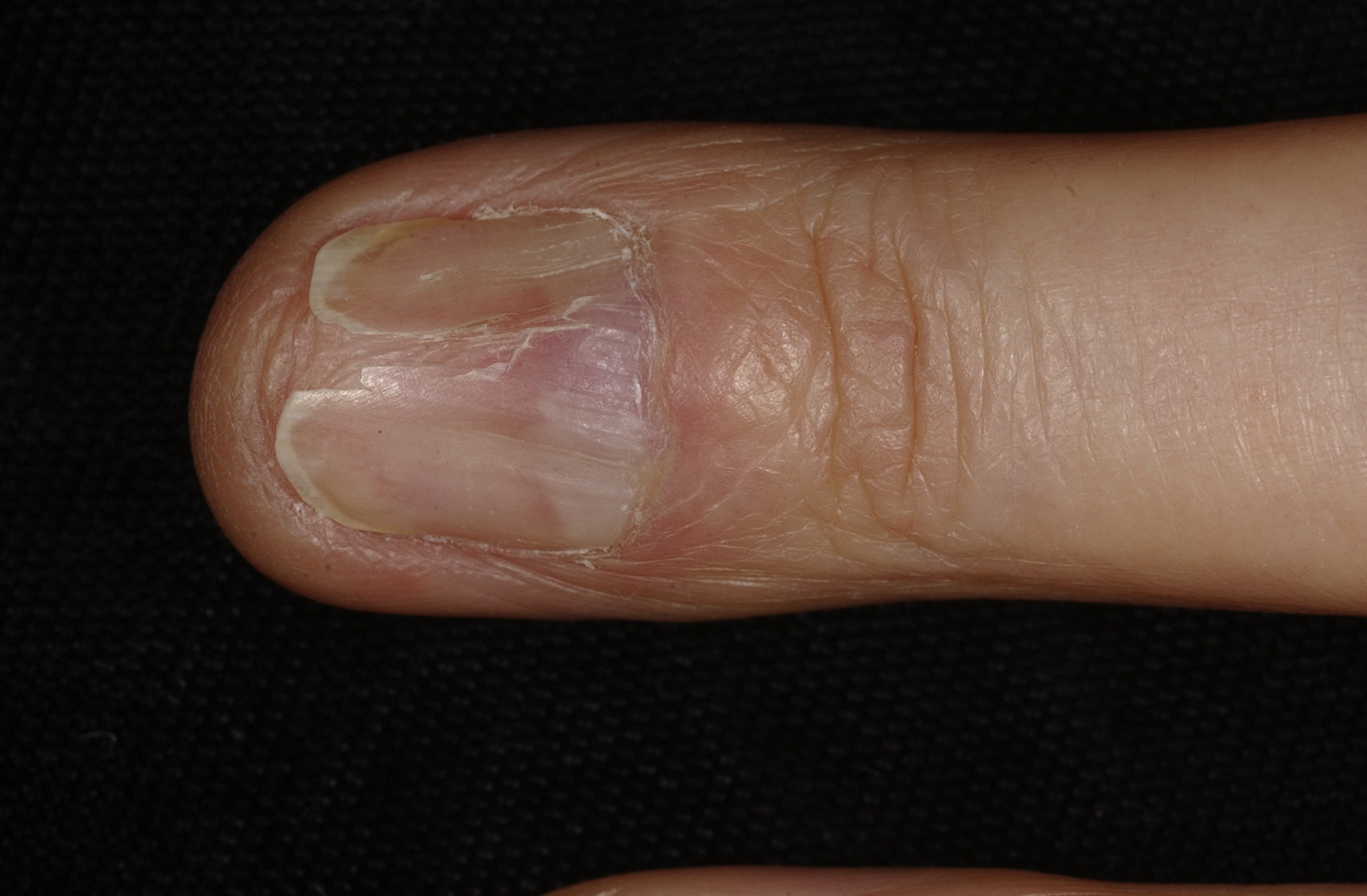
Split nails appear as if a portion of your nail is breaking or has peeled. You may observe this solely at the border of your nail, but the crack can extend throughout the entire nail. Certain individuals also observe lines or ridges in their nails as well.
Your nail consists of multiple layers of keratin compacted together. Keratin is a protein present in your skin, hair, and nails. When a nail fractures, certain keratin layers detach from the other layers. This causes your nail to appear as if it’s cracking or flaking.
What leads to nail splitting?
Nails can crack when they are harmed, fragile, or easily breakable. Numerous factors can lead to split nails, and the manner in which your nails split can provide significant insight into the cause.
Nails can fracture horizontally (a condition referred to as Onychoschizia) or vertically (onychorrhexis):
- Horizontal: Nails that are split horizontally often indicate damage to the proteins linking the layers of the nail.
- Vertical: Split nails that run vertically may indicate injury to the nail matrix, which is the area of the finger responsible for nail growth.
The positive aspect is that many nail issues can be effectively addressed at home through appropriate care and healthy practices.
This article will help you understand why nails split in the middle, the possible causes behind brittle nails, and the best natural ways to repair damaged nails fast.
Why Nails Split in the Middle Naturally?
Have you ever seen a fissure developing directly in the middle of your nail? This situation typically occurs when the nail weakens, dries out, or gets damaged over time. But why nails split in the middle naturally without any harm?
Nails often weaken due to dryness, frequent contact with water, strong soaps, or inadequate nutrition. Nails consist of keratin, a robust protein that also makes up hair and skin. When the body is deficient in essential nutrients or hydration, nails become weak and begin to peel or break.
At times, the process of aging may also diminish nail hydration. Women tend to be more prone to brittle nails due to hormonal fluctuations, domestic tasks, and beauty nail products.
Remember that occasionally, nails can split without any apparent cause. It’s merely a situation that occurs to everyone occasionally. However, if your nails frequently split, it might indicate that there is more happening.
Let’s examine a few typical causes of split nails.
1. Nail infection caused by fungus: Nail fungus, also known as onychomycosis, occurs when ringworm infects your nails. The fungus harms the nail by breaking down keratin. This may result in discoloration of the nails, white patches, and splitting of both fingernails and toenails. As time passes, the fungus may invade the nail matrix, leading to weak and brittle nails.
2. Injury to the nail: Injury to the nail may result in horizontal splitting. Remember that a significant nail injury is not necessary for splitting to occur. Frequent exposure to moisture from your job increases the chances of experiencing nail splitting. Wearing gloves is advisable to safeguard your hands and nails if they are frequently exposed to water and damp conditions.
3. Aging: With age, your nails undergo changes. They develop at a slower rate and are more prone to splitting, cracking, and changing color. As you age, you might observe nail splitting both horizontally and vertically.
Numerous individuals consume supplements containing biotin and collagen to enhance the health of their hair and nails.
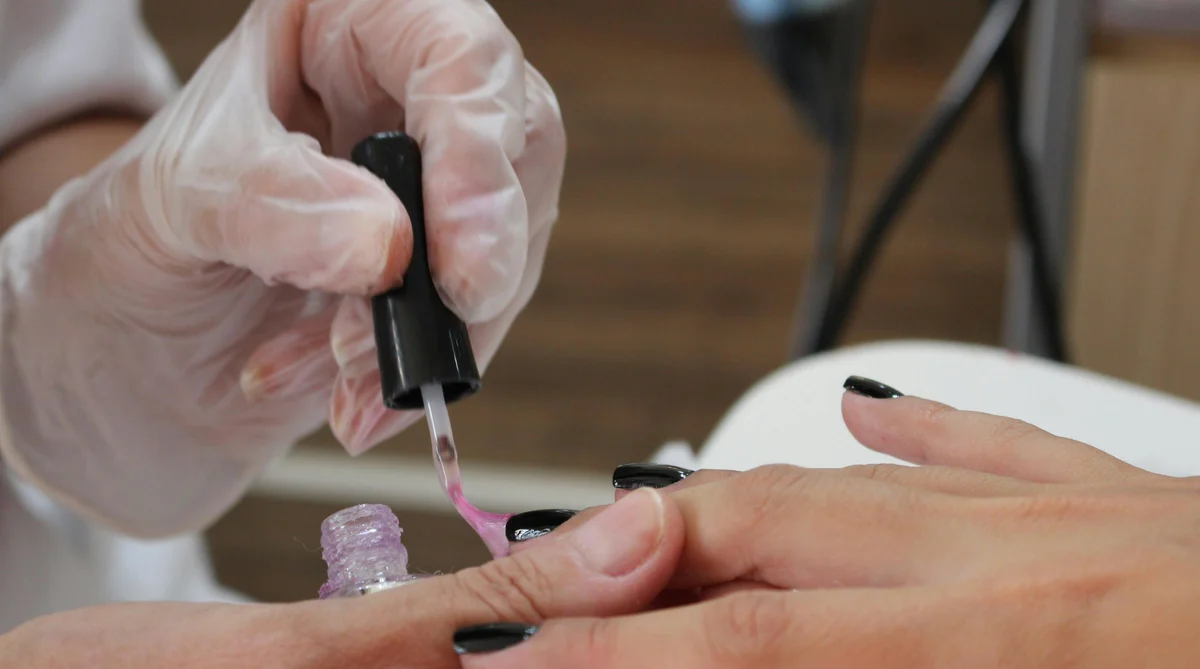
4. Nail polish: While you might enjoy the appearance of a newly done manicure, nail polish and removers can harm your nails’ strength. Certain nail polish removers might be more abrasive than others. However, as time passes, they can ultimately result in split nails. Gel acrylics may lead to nail splitting as well.
Taking a break from nail products can help prevent nails from splitting.
5. Psoriasis and eczema: Certain skin disorders can impact nails as well. Eczema and psoriasis may lead to weak nails that break and fissure. For certain individuals, just one or two nails might be impacted. However, for some individuals, every one of their nails may be affected.
6. Deficiencies in vitamins and nutrients: Certain vitamin shortages may lead to nail splitting. A deficiency in biotin or calcium could lead to nail splitting and other alterations in your nails. Brittle nails may indicate low iron levels (anemia). Consult a healthcare professional before beginning any supplements to check for any deficiencies you may have.
7. Chemotherapy: Medications used in chemotherapy may lead to brittle, splitting nails. Chemotherapy drugs target rapidly dividing cells. This aids in reducing the rapid growth of cancer cells, which proliferate quickly. However, it also results in harming normal cells that proliferate rapidly — such as hair or nail cells.
8. Gestation: When you are expecting, your body requires additional vitamins and minerals to meet the demands of a developing infant. Numerous individuals observe split nails during pregnancy due to a deficiency in these vitamins.
9. Thyroid concerns: Thyroid conditions may lead to nail brittleness and splitting. This is more frequent among individuals with low thyroid hormone levels (hypothyroidism). However, it may also occur when individuals experience elevated thyroid levels (hyperthyroidism).
10. Nail biting or picking: Engaging in nail biting and picking can result in splitting and brittleness of the nails. Individuals may not recognize that these practices can result in undesirable nail alterations. Picking, tugging, or taking off the nail cuticle may also lead to weak, unhealthy nails.
What factors can lead to severe nail splits?
If you experience a significant nail split that affects the entire nail (such as from a severe nail or finger injury), you might need to consult a healthcare provider. They will examine whether your nail matrix is in good condition or damaged. They might suggest taking out the whole nail. If the matrix is in good condition, the nail ought to regrow. However, if the matrix is damaged, the nail might not regenerate properly or it might not grow back whatsoever.
Why Are My Nails Prone to Breaking?
Do your nails break as soon as they get a bit longer? Brittle nails can be annoying. Numerous factors contribute to nails that break easily.
- Deficiency of Nutrients: Your nails require vitamins and minerals for good health. A lack of iron, biotin, zinc, or protein can result in soft and weak nails. Individuals with inadequate diets or who miss nutritious meals might experience nail issues more often.
- Overexposure to Water: Do you clean dishes or your hands multiple times each day? Excessive exposure to water can damage the integrity of the nails.
- Regular Use of Nail Products: Nail polish removers with acetone can severely dehydrate nails. Artificial nails, gel manicures, and strong chemicals can also harm the nail surface.
- Medical Issues: Occasionally, the reason nails crack in the center could be associated with underlying health issues like thyroid disorders, anemia, eczema, or fungal infections.
causes of weak nails in women
Women frequently experience fragile and peeling nails. But what’s the reason?
- Alterations in Hormones: Pregnancy, menopause, and hormonal fluctuations can influence nail strength. Hormonal changes can cause decreased moisture in nails.
- Home Cleaning Supplies: Cleaning products have potent chemicals that gradually damage nails. Without gloves, nails become brittle and broken.
- Eating Habits and Nutritional Shortages: Severe dieting can rob the body of necessary nutrients. Deficiency of calcium, iron, and healthy fats frequently leads to brittle nails.
- Aesthetic Harm: Regular manicures and synthetic nail procedures can gradually damage the natural nail surface.
Grasping these factors can assist women in adopting preventive steps and enhancing nail health organically.
Ways to Repair Peeling Nails at Home
Chipped nails may appear unsightly and hurtful. Luckily, there are easy home solutions that can assist.
- Hydrate Your Nails Every Day: Brittle nails break more readily. Use coconut oil, olive oil, or almond oil before going to bed. Gently rub into nails and cuticles to revive moisture.
- Steer Clear of Strong Chemicals : Use gloves when doing the dishes or cleaning. This shields nails from cleaning products and too much water.
- Regularly Cut Nails: Maintaining short nails lowers pressure and helps avoid additional splitting.
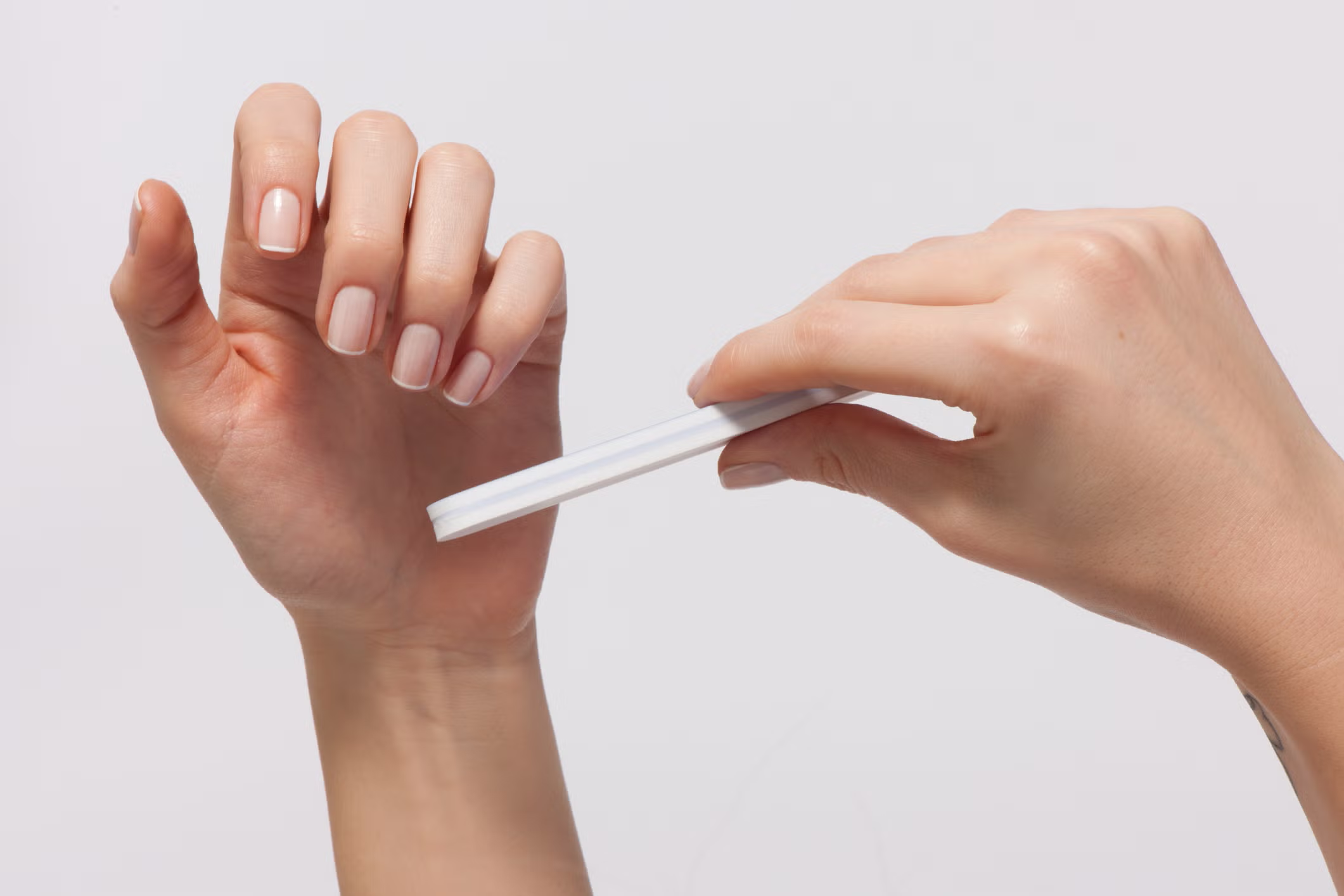
- Employ a Soft Nail File: File nails in a single direction only. Coarse filing may lead to increased nail peeling.
- Maintain Hydration: Consuming sufficient water enhances nail hydration naturally from the inside.
How to Treat Dry Nails Naturally
To maintain beautiful and strong nail at home is not a difficult task. It demands on consistency and some time to take care of them on daily basis.
Here are some major ideas which can easily adopted at home:
- Protect Nails from Trauma: Avoid using nails as tools to open cans or scratch surfaces. This small habit can prevent further damage. If you consistently follow these steps, damaged nails can gradually regain their strength.
- Olive Oil Soak: Warm olive oil can deeply nourish nails. Soak your fingertips for 10 minutes two to three times weekly.
- Coconut Oil Massage: Coconut oil contains healthy fats that moisturize dry nails and cuticles naturally.
- Avoid Hot Water: Very hot water strips away natural oils from nails and skin. Use lukewarm water instead.
- Humidify Indoor Air: Dry weather and air conditioners may worsen nail dryness. Using a humidifier can help maintain moisture.
Natural treatments may take time, but they are safer and healthier than harsh cosmetic solutions.
Why Nails Become Yellow
Are your nails beginning to become yellow? Yellow nails are commonly the result of discoloration from dark nail polish, smoking, or fungal infections.
- Nail Polish Stains: Prolonged use of nail polish without a base coat may result in yellowed nails.
- Smoking: Nicotine and tar can stain nails as time passes.
- Fungal Infection: Infections of the nails due to fungi can lead to nails becoming yellow, thick, and fragile.
- Neglecting Nail Care: Maintaining dirty or persistently wet nails can promote infections.
For natural nail whitening, you can occasionally soak them in lemon juice or baking soda. Nevertheless, ongoing yellow nails ought to be examined by a physician.
How to Fix Ridges in Nails
Nails may occasionally have vertical or horizontal ridges that can be concerning. However, are they hazardous?
- Vertical Ridges: These are typical with aging and generally not harmful. Consistently moisturizing nails can enhance their look.
- Horizontal Ridges: Horizontal ridges might suggest health issues, stress, or lack of proper nutrients. If they arise unexpectedly, seeking medical guidance may be beneficial.
- Buff Nails Gently: A gentle nail buffer can even out slight ridges without harming the nail surface.
- Enhance Nutrition: Strong nails need iron, zinc, vitamin B12, and protein.
When ridges are pronounced accompanied by splitting, grasping the reasons behind nails splitting in the center becomes increasingly essential.
How to Heal Cracked Nails
Neglected cracked nails may lead to discomfort. How can you effectively heal them?
Repair Tiny Cracks: You can use a tea bag patch and nail glue to temporarily fix a cracked nail until it grows out.
- Moisturize Nails: Well-hydrated nails recover more quickly and are less likely to crack
- Refrain from Biting Nails: Nail biting diminishes the strength of the nail and heightens the risk of breaking.
- Apply Nail Creams: Specialized nail creams with keratin or urea can aid in fortifying nails.
Serenity is significant because nails nurture gradually. Remedial may take some calendar week.
Best Treatment for Brittle Nails
If your nails frequently split, peel, or break, you might have brittle nail syndrome.
- Consume a Balanced Diet: Foods high in biotin, iron, omega-3 fatty acids, and protein are crucial for healthy nails.
- Limit Nail Polish Remover: Opt for removers that do not contain acetone whenever feasible.
- Apply hand cream post-wash: Using hand lotion after each wash aids in sealing moisture in nails.
- Use Protective Gloves: This straightforward practice safeguards against water damage and chemical contact.
- Consult a physician if necessary: Ongoing weak nails can occasionally indicate underlying health problems such as anemia or thyroid conditions.
The most effective care usually incorporates adequate nutrition, hydration, and nail safeguarding.
Can Stress Lead to Nail Issues?
Indeed, stress can also impact the health of nails. Emotional stress can hinder nail growth and lead to habits like nail biting or picking. Ongoing stress can aggravate issues such as psoriasis or eczema, resulting in harm to nails.
Caring for mental health can indirectly enhance the strength and look of nails.
Why Nails Split in the Middle More During Winter
Another typical cause of split nails is cold weather. Because of the decreased humidity in the winter, nails become brittle and dry. Dryness can be made worse by indoor heating systems.
Splitting can be avoided in the winter by applying thick hand lotions and nail oils.
Frequently Asked Questions
What causes nails to crack in the center even without trauma?
This typically occurs due to dryness, fragile nail structure, excessive exposure to water, or lack of nutrients.
2. What are some natural ways to reinforce weak nails?
Nails can be naturally strengthened by moisturizing daily, consuming protein-rich foods, maintaining hydration, and safeguarding them from chemicals.
3. Can a lack of vitamins lead to weak nails?
Indeed, a lack of iron, biotin, zinc, and protein may result in brittle and splitting nails.
4. What is the duration required to fix damaged nails?
Nails grow at a slow rate, so full recovery might require several weeks to a few months based on the extent of the damage.
5. What causes nails to turn yellow after applying nail polish?
Deep-colored nail polish may leave stains on nails, particularly if applied without a base coat for protection.
Conclusion
Grasping that why nails spilt in the middle is the initial move towards achieving healthier and more robust nails. In many instances, nail splitting occurs due to dryness, lack of nutrients, strong chemicals, or inadequate nail care practices. Luckily, basic home treatments and lifestyle modifications can significantly enhance nail strength organically.
Healthy nails do not develop instantly. The true secrets are consistency, patience, and appropriate care. Regularly hydrating, consuming healthy foods, shielding nails from harm, and steering clear of harsh products can help rejuvenate your nails and avert future splitting.
Keep in mind that your nails represent your overall well-being. Caring for them is not solely about aesthetics — it also involves health and self-care.