Table of Contents
How to Repair Damaged Nails Fast Naturally: Complete Guide for Healthy and Strong Nails
Attractive and well-maintained nails signify not just personal care but also indicate your general health. What occurs when your nails unexpectedly turn weak, brittle, dry, or flaky? Numerous individuals look for ways to quickly fix damaged nails, as they can be painful, embarrassing, and hard to handle.
What Causes Nails to Split and Break?
Our nails consist of layers of a protein known as keratin—the identical protein that forms your hair. As these layers part, nails become prone to cracking and breaking. Multiple elements can lead to nail deterioration:
External Influences:
- Regular Water Contact: Continuous wetting and drying compromises nail integrity.
- Severe Chemicals: Cleaning agents, acetone-rich polish removers, and certain cosmetic procedures
- Physical Injury: Employing nails as implements or over-filing
- Beauty Services: Gel manicures, acrylics, and dip powders may harm nail beds during both application and removal.
Factors Within
- Aging: Natural alterations in nail growth and reduced oil secretion.
- Dehydration: Lack of moisture causing nails to become fragile
- Health Issues: Specific health conditions impact nail durability.
Which deficiency leads to nail damage?
Nail health is frequently affected by nutritional deficiencies. If you’re curious about what could be leading to your damaged nails, think about these typical deficiencies:
- Biotin (Vitamin B7): Vital for keratin synthesis and enhancing nail durability.
- Iron: Essential for supplying oxygen to nail cells
- Protein: The fundamental component of keratin
- Zinc: Crucial for cellular development and healing
- Vitamin E: Offers antioxidant defense for nail cells.
- Vital Fatty Acids: Aid in preserving nail elasticity
A study featured in the Journal of Dermatology indicates that biotin supplements can enhance nail thickness by as much as 25% in individuals with brittle nails, whereas iron deficiency anemia is associated with spoon-shaped nails (koilonychia).
Debunking Common Nail Care Myths
Before we explore nail repair, it’s important to dispel some ongoing misconceptions that could negatively affect your nail health.
Myth 1: “Nails Require Air to Breathe”
Fact: Nails consist of keratin—a lifeless protein that does not need oxygen. They obtain all essential nutrients via your bloodstream, not from the air. Maintaining a protective layer on your nails (a fortifying treatment) can effectively avert harm from everyday use. Before we dive into nail repair, let’s clear up some persistent myths that might be harming your nail health:
Myth 2: “White Spots Indicate Calcium Lack”
Fact: Those little white marks (leukonychia) usually result from slight injury to the nail matrix—not from a lack of calcium. They will naturally grow out with the nail and do not need any treatment.
Myth 3: “Nail Hardeners Are Beneficial for Weak Nails”
Fact: Numerous commercial hardeners include formaldehyde, which can initially strengthen nails but lead to brittleness and sensitivity over extended use. Natural, nourishing enhancers provide a more effective long-term remedy.
The positive aspect is that nail damage is frequently manageable at home with the right care and perseverance. Regardless of whether your nails are harmed by nail polish, acrylics, strong chemicals, or lack of nutrients, natural solutions and positive practices can aid in regaining their strength.
This guide will teach you how to repair damaged nails fast naturally, identify the reasons for weak nails, and safeguard them against future harm. The article is presented in a simple and accessible manner, allowing you to comfortably try these techniques at home.
How to Repair Damaged Nails Fast Naturally?
Do your nails often split, peel, or break? Grasping how to quickly fix damaged nails begins with recognizing the underlying reason for the damage.
Fixing broken nails demands persistence and regularity. Here’s an all-inclusive method to restore your nails:
1. Cut and Shape Correctly:
- Maintain shorter nails during healing to avoid additional breakage
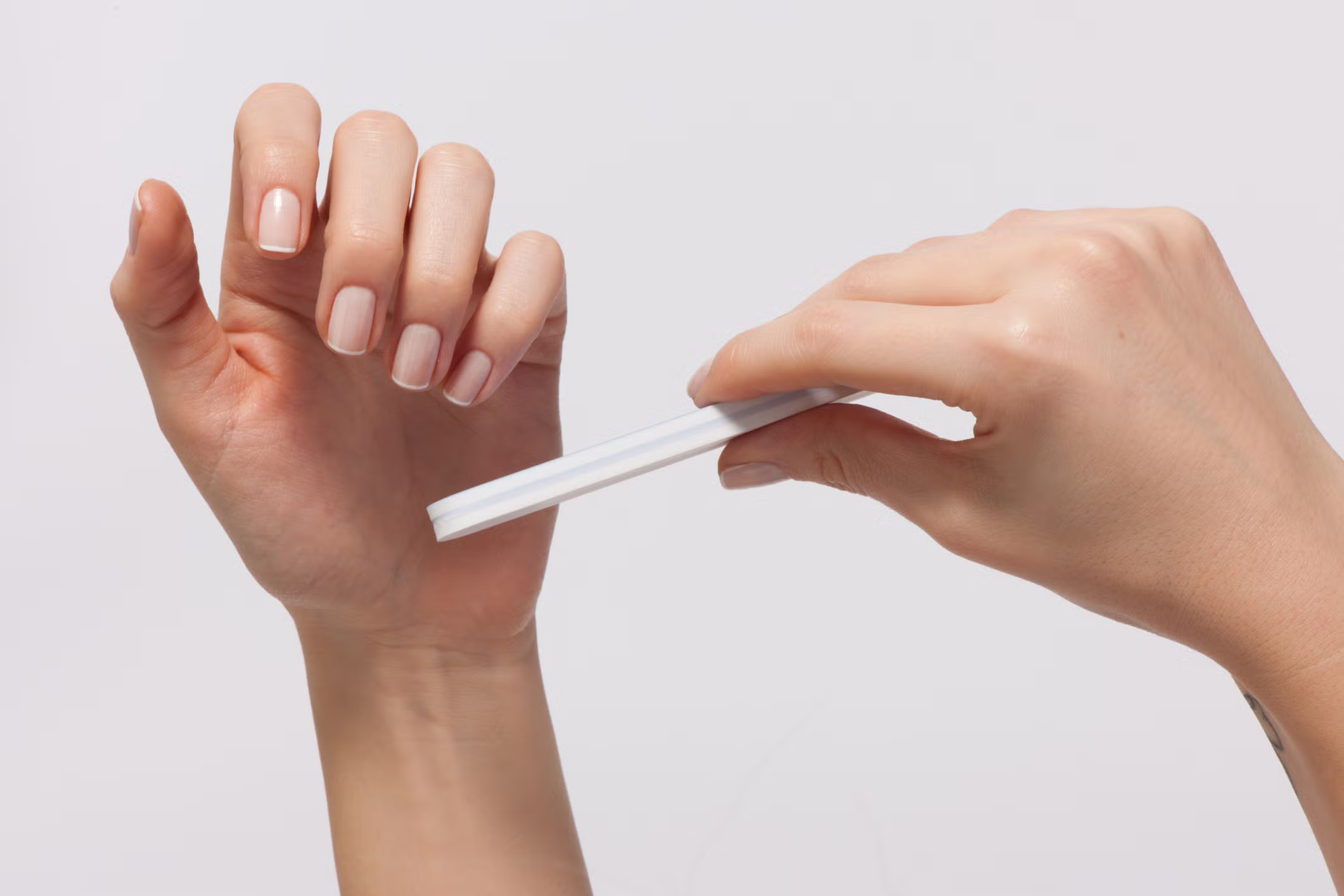
- Opt for a glass nail file rather than metal files or emery boards.
- File in a single direction to avoid additional splitting
2. Moisten and Feed
Establishing a routine of moisturizing your hands can be an excellent method for consistently repairing damaged nails.1 Place a bottle of lotion next to every sink in your home to see the improvement.
3. Apply a Cuticle Cream or Oil
Remark states that a simple method to fix damaged nails is to use cuticle oil, then apply hand cream. “Cuticle oils provide vitamins and nutrients; the cream will seal in hydration.” Loss of moisture is a frequent indication of harm to gel nails.
Lippmann agrees: “Applying cuticle oil moisturizes and softens your cuticles.” Each drop nourishes cuticles with jojoba and coconut oils while safeguarding them with vitamin E. Take a whole minute to massage the oil into the cuticle. Using cuticle oil, less is indeed more. Avoid washing hands for 20 minutes after using cuticle oil to ensure proper absorption.
4. Immerse Your Nails in Olive Oil
This is among the most economical options for possible DIY nail fixes. Immerse your nails in olive oil for approximately 10 to 15 minutes each day. Soaking your feet (or hands in dry winter months) can be a pampering remedy for both nails and skin if you experience dry skin.
“Lippmann states that your cuticle is the skin’s edge that acts as a barrier, preventing bacteria and free radicals from entering the body and avoiding infections.” “Moisturizing your cuticle contributes to its health, and healthy cuticles are essential for proper nail growth.”
5. Tackle Nutrition
- Make sure to include sufficient protein and biotin in your meals.
- Think about supplements if advised by a medical professional.
- Maintain proper hydration
Why Do My Nails Break Easily?
Have you ever questioned why your nails snap even after growing a bit? Brittle nails are often due to internal or external influences.
Nutritional Deficiency : A deficiency in iron, biotin, calcium, and protein can make nails fragile. As nails develop from nutrients within the body, inadequate nutrition has a direct impact on their strength.
Excessive Water Exposure: Regular handwashing or dishwashing temporarily weakens nails. Frequent exposure to moisture and dryness can weaken nails.
Harsh Nail Products: Over time, acetone removers, gel nails, and acrylics can harm the surface of the nails.
Aging and Hormonal Changes: With age, nails inherently become less moist. Women might have more fragile nails during pregnancy or menopause because of hormonal fluctuations.
Grasping these reasons helps you learn how to repair damaged nails fast naturally avoid future splits.
Causes of Weak Nails in Women
avoid future splits.
- Domestic Tasks: Cleaning agents and detergents include potent chemicals that dehydrate nails.
- Regular Aesthetic Procedures: Artificial nails and frequent manicures can gradually weaken natural nails.
- Hormonal Disruption: Hormonal changes can influence the hydration and growth of nails.
- Unhealthy Eating Patterns: Restrictive diets frequently miss essential nutrients required for healthy nails.
Fortunately, fragile nails can significantly benefit from basic lifestyle adjustments and adequate nutrition.
How to Fix Peeling Nails at Home
Nails that are peeling are frequent and irritating. However, is it possible to treat them naturally at home? Certainly.
- Moisturize Your Nails Daily
Lack of moisture is a major factor in nail peeling. Coconut oil, olive oil, and almond oil serve effectively as organic moisturizers
Massage oil into your nails and cuticles every night before sleeping.
- Steer Clear of Acetone Nail Removers
Acetone removes natural oils and exacerbates peeling.
- Maintain Short Nails
Short nails are less prone to peeling or breaking during the healing process.
- Wear Gloves While Cleaning
This easy practice shields nails from strong chemicals and too much moisture.
When applied regularly, these techniques can aid in naturally restoring peeling nails.
Tips for Quickly Restoring Damaged Nails Post Acrylics or Gel Application
Have your natural nails been harmed by acrylic or gel nails? Numerous individuals face issues with weak and aching nails following the removal of fake nails.
- Allow Nails to Heal Properly: Refrain from using fresh acrylics right away. Your nails require time to naturally restore their strength.
- Use Vitamin E Oil: Vitamin E thoroughly enriches and restores injured nail beds.
- Handle Nail Strengtheners with Caution: Select gentle fortifying therapies devoid of strong chemicals.
- Consume Foods High in Protein: Eggs, fish, yogurt, nuts, and legumes promote healthy nail development.
Patience is crucial since nails grow at a slow rate. Nonetheless, consistent attention can accelerate healing.
Choose gentle strengthening treatments without harsh chemicals.
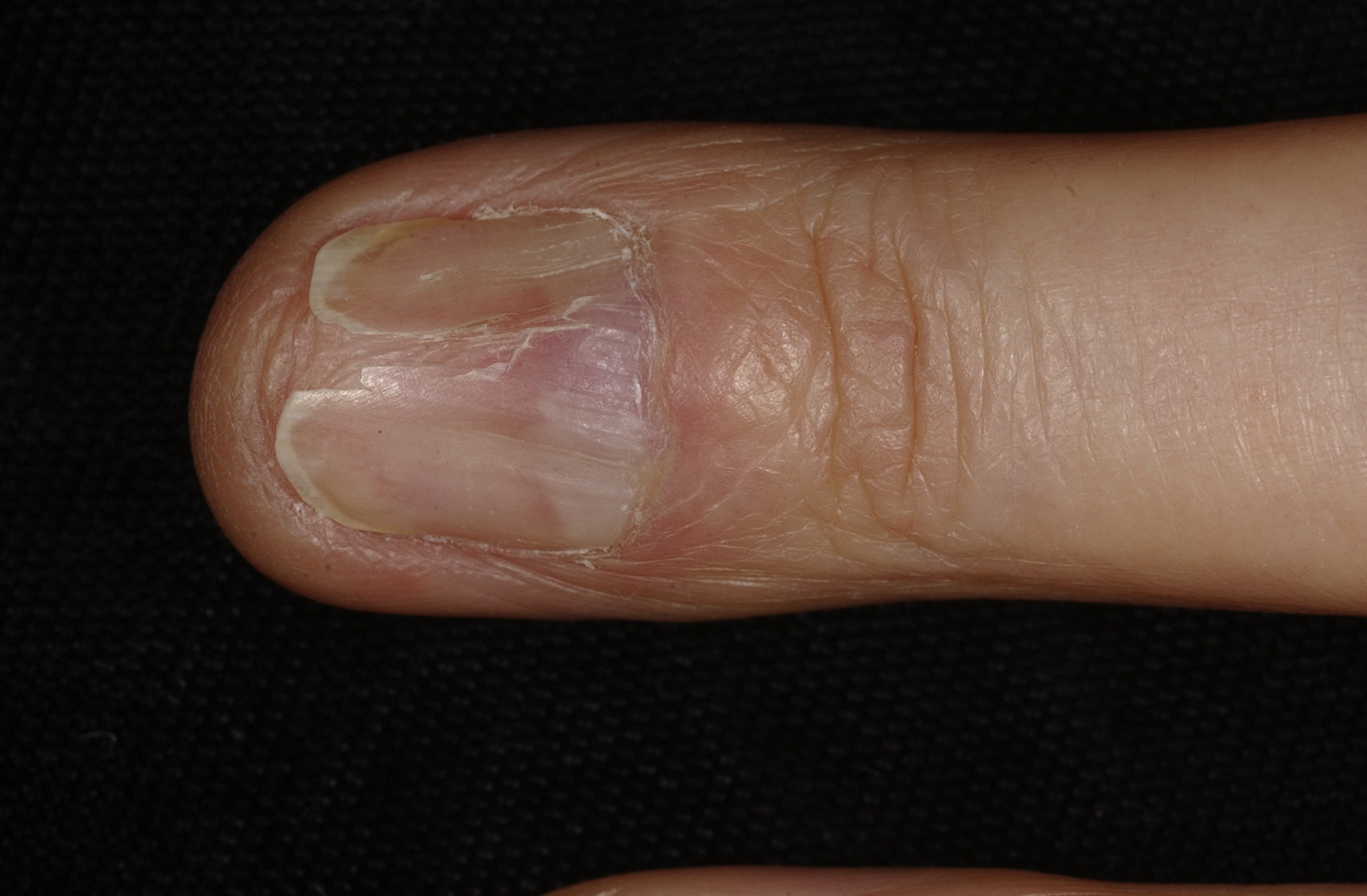
Why Nails Split in the Middle
Have you observed fissures forming in the middle of your nails? Numerous individuals inquire about the reasons behind nails unexpectedly splitting in the center.
This issue typically occurs due to dryness, recurring injuries, or lack of nutrients. Brittle nails struggle to endure everyday strain, leading them to crack from the center.
Too much contact with soap, sanitizers, and water can weaken the layers of nails.
Maintaining nails hydrated and safeguarded is among the most effective methods to prevent middle splitting naturally.
Keeping nails moisturized and protected is one of the best ways to stop middle splitting naturally.
How to Treat Dry Nails Naturally
Dry nails frequently become fragile, coarse, and feeble. What are the methods to naturally replenish moisture?
- Olive Oil Dip: Heated olive oil can provide intense moisture to nails. Immerse your fingertips for 10 minutes on multiple occasions each week.
- Coconut Oil Rubdown: Coconut oil is rich in fatty acids that hydrate nails and cuticles.
- Stay Hydrated: Hydration begins from the inside. Dehydration frequently results in dry skin and nails.
- Steer Clear of Hot Water: Warm water strips natural oils from nails, increasing their susceptibility to breaking
Knowing how to repair damaged nails fast naturally also involves safeguarding them from daily dryness.
Why Nails Become Yellow
Yellow nails may give hands an unhealthy appearance. What leads to this discoloration?
- Nail Polish Discoloration: Dark nail polish applied without a base coat may cause nails to turn yellow.
- Smoking: Nicotine and tobacco substances can stain nails gradually.
- Fungal Illness: Thick, yellow nails may occasionally suggest fungal infection.
- Inadequate Nail Care: Maintaining nails in a continually wet or dirty state heightens the likelihood of discoloration.
Home remedies such as lemon juice and baking soda could assist in mildly whitening discolored nails.
How to Fix Ridges in Nails
Are there lines or ridges on your nails? Nail ridges are quite common and typically not harmful.
- Upright Striations: These frequently emerge with aging and dehydration.
- Horizontal Stripes: These might signal disease, tension, or lack of nutrients.
- Regularly Hydrate Nails: Moisture naturally enhances the texture of nails.
- Enhance Your Nutrition: Foods high in vitamins and minerals promote better nail growth.
If ridges emerge unexpectedly along with intense splitting, seeking medical advice could be beneficial.
How to Heal Cracked Nails
Broken nails can be painful and can get worse if not treated. What are the ways to rapidly heal them?
- Shield the Nail: Refrain from applying pressure to broken nails.
- Utilize a Tea Bag Patch: A tiny piece of tea bag with nail glue can briefly keep the crack united.
- Hydrate Regularly: Moisturized nails recover more efficiently.
- Refrain from Biting Your Nails: Nibbling deteriorates nails and raises the likelihood of breakage
Best Treatment for Brittle Nails
One of the most prevalent nail issues in the globe is brittle nails. Thankfully, they frequently react favorably to home care.
- Foods High in Biotin: Biotin promotes the growth and strength of nails. Sweet potatoes, eggs, and almonds are great options.
- Creams and Oils for Nails: Moisturizing your nails on a daily basis maintains them flexible and less prone to breaking.
- Minimize Exposure to Chemicals: When cleaning, gloves should always be worn.
- Keep Your Diet Balanced: Protein, iron, zinc, and vitamin B12 are necessary for strong nails.
Healthy eating, drinking plenty of water, and taking care of your nails gently are the greatest treatments.
Frequently Asked Questions
1. How can broken nails be quickly and naturally repaired at home?
By hydrating your nails on a daily basis, avoiding harsh chemicals, eating a nutritious diet, and shielding them from water damage, you can naturally restore damaged nails.
2.Why do brittle and weak nails occur?
Hormonal fluctuations, regular use of nail treatments, extensive hand washing, dryness, and poor nutrition are all common causes of weak nails.
3.Are damaged nails able to fully heal?
Yes, with the right care, nails can mend completely; however, because nails grow slowly, restoration may take many weeks.
4.Which oil works best for broken nails?
Vitamin E oil, coconut oil, olive oil, and almond oil are great natural nail care products.
5.Why do nails frequently fracture in the middle?
Dryness, frequent trauma, chemical exposure, or dietary inadequacies are typically the causes of this.
Conclusion
Understanding the causes of nail damage makes it easy to learn how to repair damaged nails fast naturally. Dryness, malnutrition, prolonged exposure to water, or severe cosmetic procedures are common causes of weak, brittle, cracked, or peeling nails.
Fortunately, with enough time and attention, the majority of nail issues may be resolved on their own. Over time, nail strength can be restored by protecting nails during daily activities, avoiding harsh chemicals, eating a balanced diet, and moisturizing frequently.
It takes time to develop healthy nails. The true key to long-lasting nail health is little daily routines and regular maintenance. Like your skin and hair, your nails need to be taken care of and protected.