
Introduction
Nail Care is an important part of personal hygiene that helps keep nails healthy, clean, and strong. Well-maintained nails not only improve appearance but also protect against common problems such as infections, breakage, and painful nail conditions.
Simple habits like regular cleaning, proper trimming, and moisturizing can make a big difference in nail health. By practicing basic Nail Care at home, anyone can keep their nails neat, protected, and strong while also reflecting good overall health and self-care.
Importance of Healthy Nails
Healthy nails play an important role in daily life and overall well-being. Proper Nail Care helps protect the fingertips from injuries and acts as a natural barrier against dirt, bacteria, and infections. Healthy, strong nails help with daily tasks like holding objects, writing, typing, and scratching, supporting normal hand function.
Nails are also a reflection of internal health. Changes in nail color, texture, or strength can indicate nutritional deficiencies or underlying health issues. Brittle, pale, or discolored nails may act as early warning signs, encouraging timely attention and care. This makes Nail Care not only a beauty practice but also an important part of health awareness.
In addition, healthy nails improve hygiene and appearance. Clean, trimmed, and moisturized nails are less likely to trap germs and fungi, reducing the risk of painful nail problems. Well-groomed nails enhance confidence and present a neat, polished look, while neglect can lead to breakage, dryness, ingrown nails, and infections. Maintaining healthy nails is essential for protection, confidence, and overall wellness.
Common Nail Problems
Many people experience nail problems at some point, often due to poor Nail Care, frequent exposure to water or chemicals, aging, minor injuries, or underlying health conditions. While some nail changes are harmless and temporary, others may signal infections or internal health concerns and should not be ignored.
One common issue is brittle, splitting, or peeling nails. This problem is usually caused by excessive hand washing, harsh cleaning products, aging, or hormonal changes. Nail discoloration is another frequent concern.
White spots often appear after minor injuries and usually disappear as the nail grows. Yellow nails may result from fungal infections, smoking, or health conditions, while black or purple nails can be caused by injury and trapped blood, though unexplained dark marks require medical attention.
It’s common for nails to show changes in texture or growth over time. Vertical ridges may appear with age or nutritional deficiencies, while horizontal ridges (known as Beau’s lines) can develop after illness, fever, or periods of poor nutrition. Small dents or pits in the nail surface may be linked to skin conditions such as psoriasis. Thickening or lifting of the nail from the nail bed often occurs due to fungal infections, trauma, or inflammatory conditions.
Infections are among the most serious nail problems. Signs such as swelling, redness, pain, or pus around the nail may indicate an infection caused by bacteria or fungi. Ingrown nails, especially in the toes, can cause discomfort and infection if not treated properly. In some cases, changes in nail shape, such as excessive curving or widening of the fingertips, may reflect underlying health issues.
Practicing good Nail Care can prevent many of these problems. However, persistent changes in nail color, shape, texture, pain, or signs of infection should be checked by a medical professional for proper diagnosis and treatment.
Daily and Weekly Nail Care Routine at Home
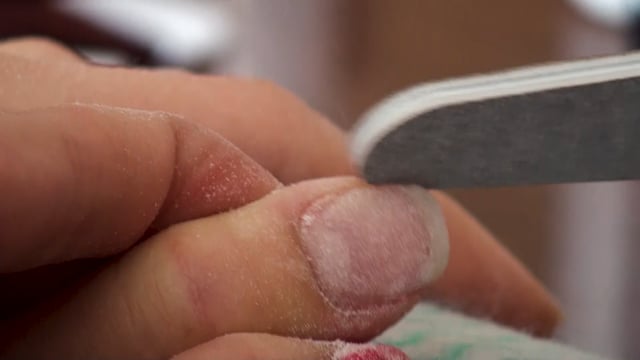
Following a simple daily and weekly Nail Care routine at home helps keep nails clean, strong, and healthy. Regular care prevents breakage, infections, and dryness while improving the overall appearance of nails.
Daily and Weekly Nail Care Routine at Home
Following a simple daily and weekly Nail Care routine at home helps keep nails clean, strong, and healthy. Regular care prevents breakage, infections, and dryness while improving the overall appearance of nails.
Daily Nail Care (Every Day)
Clean & Dry
Wash your hands with mild soap and gently clean under the nails using a soft brush. Always dry your hands thoroughly, as excess moisture can weaken nails and lead to infections.
Moisturize Nails and Cuticles
Apply hand cream or natural oils such as coconut, olive, or jojoba oil daily. Massage the oil into the nails and cuticles to prevent dryness, peeling, and cracking.
Protect Your Nails
Wear gloves while washing dishes or using cleaning products to protect nails from water and harsh chemicals. Using nails as tools or biting them can lead to breakage and other damage, so avoid these habits.
Stay Hydrated and Eat Well
Drink enough water and eat foods rich in protein, biotin, zinc, and healthy fats to support nail strength from within.
Weekly Nail Care (Once a Week)
Trim and File Properly
Cut your nails straight across and softly shape the corners for a neat finish. File in one direction using a fine nail file to prevent splitting and breakage.
Cuticle Care
Gently push back cuticles with a soft pusher after moisturizing. Do not cut them, as cuticles protect nails from infection.
Deep Nourishment
Once a week, massage nails with nourishing oils to improve circulation and strengthen nail growth.
By following this daily and weekly Nail Care routine at home, you can maintain healthy, well-groomed nails without professional treatments.
Natural Remedies for Strong Nails
Maintaining strong and healthy nails is easy with natural remedies and proper nutrition. These methods, when included in your Nail Care routine, strengthen nails, improve growth, and enhance their appearance.
Diet & Supplements: Strength from Within
- Protein-Rich Foods: Since nails are composed of keratin, a protein, consuming protein-rich foods helps keep them strong.Include eggs, fish, lean meats, beans, nuts, and legumes in your diet to provide the building blocks for stronger nails. A protein-rich diet helps prevent brittleness and breakage.
- Biotin (Vitamin B7): Biotin is essential for healthy nail growth and preventing splitting or peeling. Foods like eggs, almonds, spinach, and other nuts are rich in biotin. Supplements can be considered if your diet lacks enough biotin, but always consult a doctor first.
- Collagen & Vitamin C: Collagen supports nail structure and prevents fragility. Vitamin C is vital for collagen production, which aids nail strength. Fruits like oranges and berries, along with leafy greens, are great natural sources of these nutrients.
- Hydration: Drinking sufficient water daily keeps nails and cuticles hydrated from within. Proper hydration reduces dryness, cracking, and improves overall nail health.
Topical Treatments: Nourishment from Outside
- Olive Oil Massage: Warm olive oil applied to nails and cuticles daily moisturizes and strengthens them. Massaging for a few minutes improves circulation and prevents brittleness.
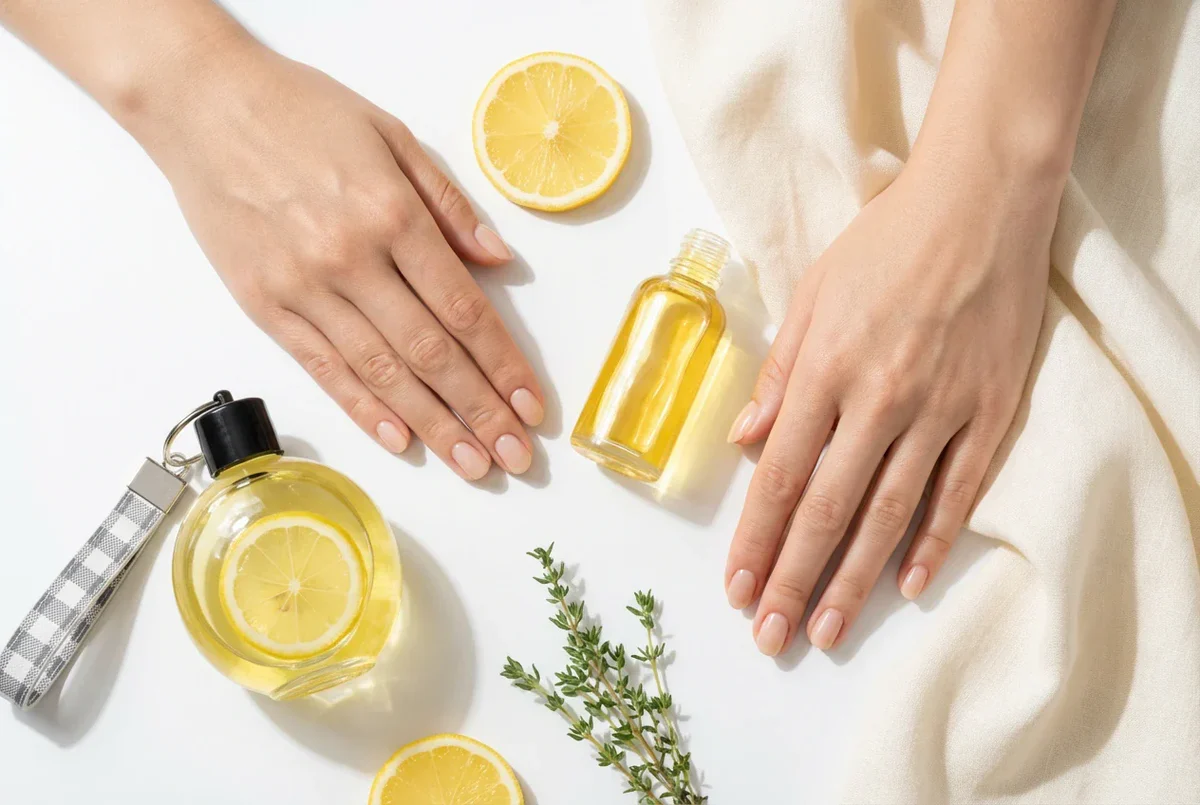
- Lemon & Olive Oil Soak: Prepare a mixture of 1 tablespoon lemon juice and 3 tablespoons olive oil, slightly warm it, and soak nails for 10–15 minutes each week. Lemon brightens nails while olive oil nourishes and strengthens them.
- Coconut Oil & Aloe Vera Mask: Blend equal parts coconut oil and aloe vera gel to create a nourishing nail treatment. Massage onto nails and cuticles, leave for 30 minutes, then rinse. This deeply hydrates nails, prevents cracking, and promotes healthy growth.
- Tea Tree Oil Protection: Mix a few drops of tea tree oil with a carrier oil like olive oil. Massage gently into nails to strengthen them and protect against fungal infections.
- Apple Cider Vinegar Soak: Soak nails in a 1:1 mixture of apple cider vinegar and water for 10 minutes daily. This helps strengthen nails, maintain healthy cuticles, and can prevent fungal growth.
- Baking Soda Scrub: Make a paste with baking soda and water. Gently scrub nails once a week to remove dirt, dead skin, and discoloration. This keeps nails smooth and healthy.
Tips for Best Results
- Stay away from strong chemicals such as acetone, as they can strip moisture and weaken nails.
- Combine internal nutrition with topical care for maximum effect.
- Be consistent: natural remedies take time, but regular use strengthens nails naturally.
Mistakes to Avoid in Nail Care
Even with the best intentions, small mistakes can weaken nails, cause infections, or lead to breakage. Being aware of common pitfalls is essential for maintaining healthy nails. Here are the most frequent Nail Care mistakes and tips to avoid them:
1. Using Nails as Tools
Many people use their nails to open packages, scratch surfaces, or peel off stickers. This puts unnecessary pressure on nails, leading to cracks, splits, or breakage. Always use proper tools instead of nails for tasks.
2. Cutting Cuticles
Cuticles protect nails from bacteria and infections. Cutting them can cause pain, infection, and slow nail growth. Instead, gently push back cuticles after moisturizing.
3. Peeling Off Gel or Acrylic Nails
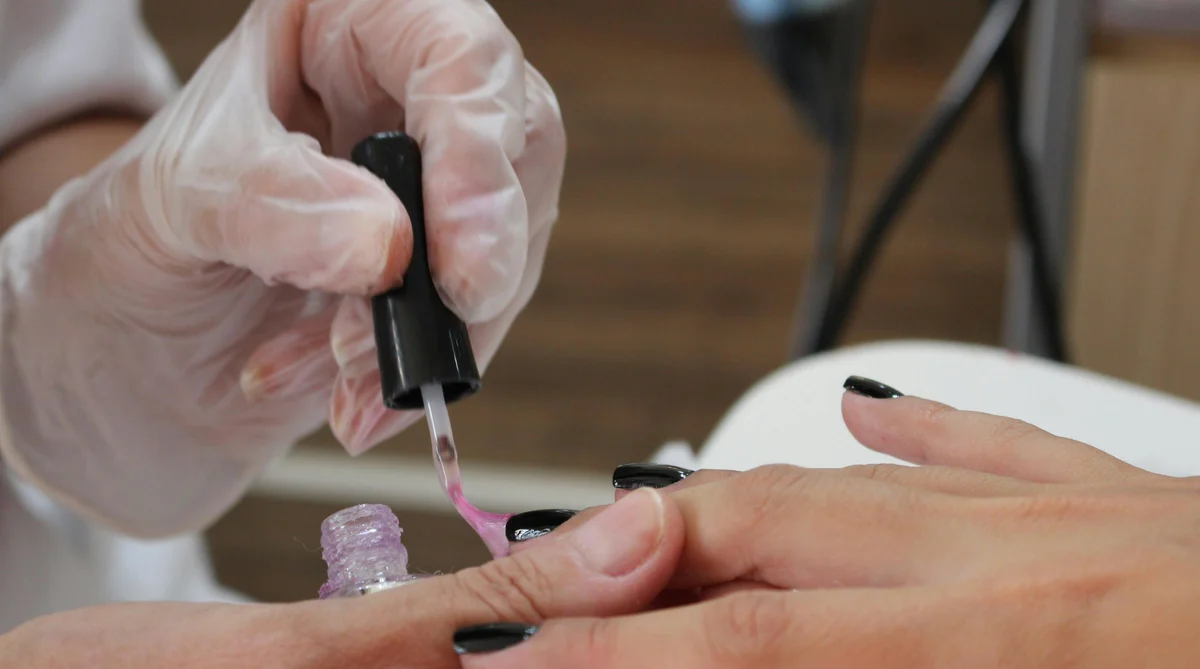
Peeling off gel polish or artificial nails damages the nail surface, causing thinning and weakening. Always remove these with proper techniques or at a salon.
4. Skipping Base and Top Coats
Base coats protect nails from staining and strengthen the surface, while top coats prevent chipping. Skipping them can make nails brittle and more prone to damage.
5. Over-Filing or Filing in Both Directions
Excessive filing or using a back-and-forth motion can weaken nails and cause splitting. Use a fine-grit nail file and file your nails in a single direction only.
6. Excessive Water Exposure
Soaking hands for long periods or frequent dishwashing without gloves softens nails and makes them prone to breakage. Wear gloves during chores and dry nails thoroughly after washing.
7. Ignoring Nail Health Between Manicures
Not giving nails breaks between manicures or gel applications can prevent them from breathing and recovering. Allow nails to rest to grow stronger naturally.
8. Using Harsh Chemicals
Acetone, strong detergents, and cleaning products can dry out nails. Use gentle nail polish removers and wear gloves when handling chemicals.
9. Biting or Picking Nails
Biting or picking at nails can cause pain, infections, and permanent damage to nail growth. Keep nails trimmed, moisturized, and healthy to reduce the urge.
10. Poor Diet and Hydration
Nails need nutrients like protein, biotin, zinc, and vitamins to grow strong. Skipping these in your diet can lead to brittle or weak nails. Drinking enough water is equally important to keep nails hydrated.
By avoiding these mistakes and following proper Nail Care routines, you can prevent damage, infections, and breakage, ensuring nails remain strong, healthy, and beautiful.
Conclusion
Caring for your nails goes beyond appearance; it is an important aspect of hygiene and overall well-being. With consistent Nail Care, simple daily habits, and natural remedies, you can keep nails strong, healthy, and beautiful.
Avoiding common mistakes, nourishing nails from the inside with a balanced diet, and protecting them from damage ensures they remain resilient and infection-free. Remember, healthy nails reflect not only your appearance but also your well-being. By investing a little time and care every day, you can enjoy nails that look great and feel strong for years to come.
One comment on “How to take care of nails at home”