
Table of Contents
Suitable for 0-18 months: Comprehending Newborn Infant Fingernails
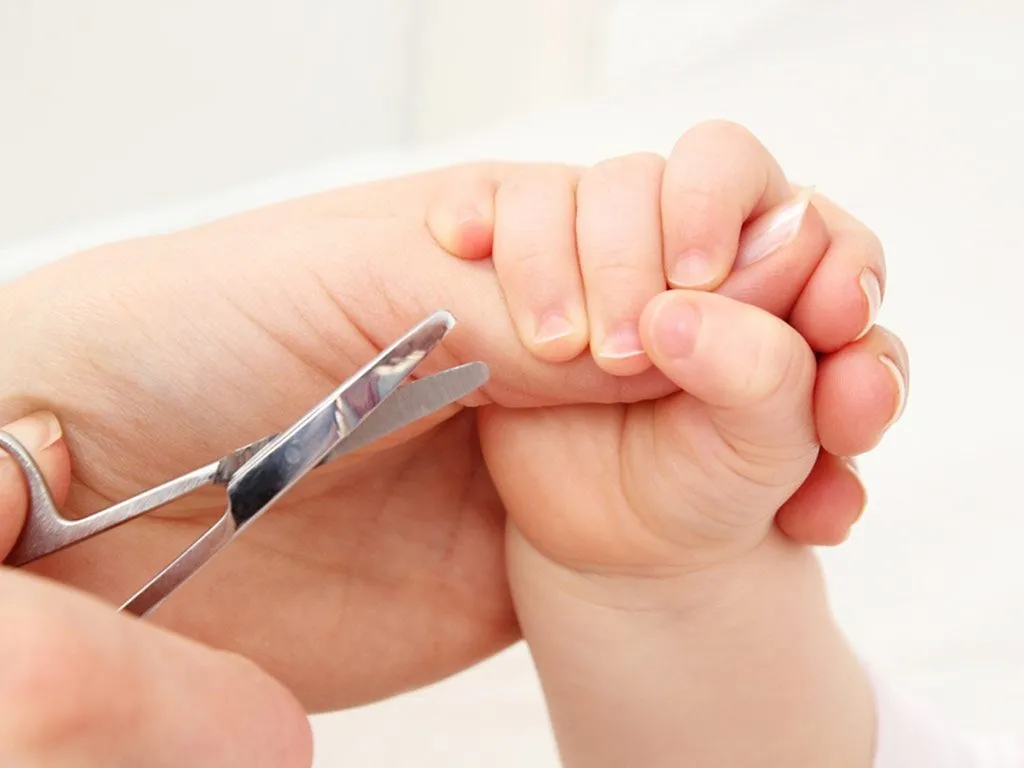
How to trim newborn baby nails safely, Nails of newborn babies differ greatly from those of adults. They are slender, delicate, and frequently somewhat connected to the underlying skin. This complicates trimming, particularly in the initial weeks. Certain babies arrive with longer nails, while others grow them rapidly post-delivery.
Due to the erratic movements of babies’ hands, parents frequently feel anxious about abrupt twitches during trimming. This is why knowing the right techniques for baby nail care is equally as essential as learning how to safely trim newborn baby nails.
In infants, nails are pliable and naturally file down from rubbing against the baby’s garments. Older infants file down their nails through play and engagement with their environment.
Infant nails do grow relatively quickly, so you can trim fingernails and toenails as necessary. Special baby nail clippers or scissors can be used. Nails can also be filed with an emery board. This involves smoothing the edges of the nails.
Although they’re small, baby nails grow quickly! If not trimmed, they can grow long and sharp, possibly scratching your child’s sensitive skin.
Trimming a newborn’s nails can seem challenging for parents, but it’s probably simpler than you realize. Before long, you’ll be a mini mani-pedi expert!
We’ll go over when and how to trim a baby’s nails and share some helpful tips to ensure your baby stays content during the care of their little fingers and toes.
When is it appropriate to trim a baby’s nails?
Even though a newborn’s fingernails are gentle and naturally shorten, they grow quickly. This indicates that they might require gentle trimming to avoid unintentional scratches.
You can trim or file your baby’s nails starting in their first week. After that, you can trim them every three days during their initial weeks.
You’ll see that your child’s toenails grow much slower. Due to needing slightly less upkeep, the nails on their little feet will require trimming less often—typically about once a month.
One of the most prevalent worries new parents encounter in the initial weeks after birth is how to safely trim their newborn baby’s nails. Numerous parents experience anxiety when they observe how small, gentle, and fragile their newborn’s fingers appear.
The anxiety of potentially harming the baby, inflicting pain, or causing skin to bleed can be intense. This apprehension is entirely normal—but the positive aspect is that with the appropriate timing, instruments, and method, cutting your newborn’s nails can be secure, mild, and hassle-free.
Nails of newborns grow quickly and may be quite sharp. If not trimmed, babies could inadvertently scratch their face, eyes, or scalp. Knowing how to safely trim the nails of a newborn is a crucial aspect of baby nail care that safeguards your child and provides reassurance to parents.
The Significance of Trimming Newborn Nails
- Shields against facial scratches
- Lowers the chance of eye damage
- Maintains skin health and prevents irritation
- Encourages general cleanliness for infants
Infants lack control over their hand motions, making sharp nails a potential source of unintentional harm. Consistent trimming guarantees safety and comfort.
Best time to trim baby nails
Selecting the appropriate moment is a crucial aspect of mastering the safe technique for trimming newborn baby nails.
1.When the Infant Is Asleep
The ideal moment to cut infant nails is while your newborn is soundly asleep. Babies who are asleep are tranquil, at ease, and tend to move less abruptly. This minimizes the chance of unintentional cuts.
2. Following a Bath
Following a warm bath, the nails of the baby soften and are simpler to cut. This improves the process, making it more seamless and secure.
3. While Feeding (With Assistance)
Certain parents discover that it is simpler to cut nails during the baby’s feeding. If feasible, request another adult to assist in holding the baby safely.
How Frequently Should You Cut Newborn Nails?
Nail growth in newborns is rapid and might require cutting.
- Fingernails: 2 to 3 times each week
- Toenails: Every 1–2 weeks
Tools to use
Having the appropriate tools is crucial for safely learning to trim the nails of newborn babies.
- Infant Nail Clippers: Baby nail clippers are specifically created with rounded edges and tiny blades, which makes them safer compared to those for adults.
- Infant Nail Scissors: These scissors feature rounded, blunt tips and provide greater control for parents who are apprehensive about using clippers.
- Infant Nail File or Sanding Board: For very young infants, placing them in a filing is frequently the safest choice. A gentle baby nail file smooths pointed edges without slicing.
- Electric Infant Nail Clipper: Electric nail clippers are gaining popularity. They carefully shape nails and greatly lower the chance of harm. Don’t use adult nail clippers or pointed scissors, as they raise the risk of injuring the baby’s skin.
Step-by-step safe trimming
Mastering the safe trimming of newborn baby nails gets simpler when you adhere to a composed, organized approach.
Step 1: Set Up the Space
The ideal moment to cut your baby’s nails is when you are alert and awake, and your baby is either asleep, very relaxed, or drowsy and preparing to nap. It’s advisable to have a small healthcare kit with nail clippers in your diaper bag. In this manner, you can care for your baby’s small nails, anytime, anywhere. And then you have to ensure:
- Select a brightly illuminated area
- Clean your hands thoroughly
- Make sure your baby is quiet or dreaming
Step 2: Grasp the Finger Correctly
Gently push the fingertip pad away from the nail to detach the nail from the skin below. This aids in avoiding skin cuts.
Step 3: Cut Straight Across
While trimming your baby’s nails, be cautious not to cut too low and gently follow the natural shape of their fingernail with the snips. You can push their finger pad away from the nail to prevent cutting their skin. Cut fingernails straight across instead of in a curved shape. This lowers the chances of developing ingrown nails.
Step 4: Make Small, Precise Cuts
Make small incisions rather than attempting to cut the nail all at once. Gradual motions assist in keeping control.
Step 5: Even Out Jagged Edges
Employ a baby nail file to soften any jagged edges following trimming.
Step 6: Remain Composed
Two pairs of hands are more effective than one when it involves taking care of a baby’s nails. If possible, collaborate with another person to complete the task. One person can keep the baby calm and occupied, while the other clips or smooths their nails.
Infants perceive stress. Staying calm aids in keeping your baby serene and motionless.
Remember to pay attention to their toenails.
After taking care of your child’s fingernails, inspect their toes to determine if they require a cut. If they seem somewhat lengthy, keep in mind to cut them straight across to prevent ingrown nails.
Tips for expertly trimming baby nails
- Have someone join you for support if you lack confidence.
- Place your baby in a secure location, like the center of your bed.
- Gently pull back the pad of your baby’s finger from the nail before trimming.
- Trim nails straight across to avoid ingrown nails and ensure there are no rough edges that could snag on fabric or irritate the skin.
- Employ a baby nail file to ensure they are very smooth.
- Avoid trimming the sides of the nail and refrain from cutting them overly short, as this may cause discomfort in the nailbed.
- Toenails can develop a downward curvature. Move cautiously, as it might be difficult to determine what is connected and what isn’t.
- Ensure that socks and baby-grows aren’t overly snug; inspect for any loose threads from clothing that could entangle the toe, restricting blood flow.
- If your baby tends to scratch, consider using scratch mitts. Tops and baby-grows are also available that have fold-down mitts connected to the sleeves.
What is the best way to cut a baby’s nails?
Utilize specialized baby scissors with rounded ends (to avoid accidental poking if she gets startled while you groom) or baby nail clippers made specifically for this — some include integrated magnifying lenses to provide a clearer view.
Here are additional suggestions:
- While clipping, grasp your baby’s finger, pushing the fingertip pad down and away from the nail.
- Carefully trim along the natural shape of the fingernail, ensuring you don’t cut too low and injure the quick.
- While grooming her little toes, trim the nails in a straight line. Remember that toenails grow at a slower rate and thus need less upkeep.
- You might discover that trimming your baby’s nails is simpler while she sleeps. Carry a clipper in your diaper bag to take advantage of scissor moments whenever they come up — in the stroller, in the car (while someone else is driving!), during naptime, or at the grandparents’ home. Alternatively, complete the task when a partner is present — one of you can keep the baby’s hands steady and entertain her with a song while the other does the clipping.
What additional things should you be mindful of when trimming your baby’s nails?
- Play calming music, perform a gentle baby massage ahead of time, or turn on a baby TV show to divert their attention.
- Keep a favorite toy nearby and engage in a game with your baby – but ensure they aren’t overly excited and squirmy!
- Utilize your voice to inform your baby about what’s coming next – ‘now for the other nail, now your other hand’ or consider singing the Tommy Thumb’ song. This aids them in acclimating to the routine and also enables you to identify which finger/toe to address next!
- Once you’re done, be sure to smile, hug, and compliment your baby for being so wonderful.
These suggestions for trimming nails can simplify the process:
- Ensure that there is ample lighting, allowing for good visibility.
- Collaborate with another person if it’s beneficial – one can hold the baby while the other trims the nails.
- Carefully draw your baby’s fingertip away from the nail to prevent skin damage.
- Here are suggestions to ensure your baby is content and at ease while you trim their nails:
- Speak softly or sing to your infant.
- Attempt to divert your baby’s attention with a toy or activity. This frequently proves effective with older infants.
- Engage your baby in the activity by turning it into a game.
- Commend your baby for assisting you in completing it. This can make you both feel positive about completing the task.
Reasons Baby Nail Care Is a Highly Trusted Parenting Responsibility
Caring for a baby’s nails demands sensitivity, mindfulness, and confidence. Parents who excel in this ability safeguard their infant from harm while boosting their caregiving self-assurance. Learning to trim a newborn’s nails safely is an essential parenting skill that develops with patient practice over time.
- Safely trimming newborn baby nails requires practice.
- Begin with filing rather than cutting
- Request assistance from a partner
- Observe expert presentations
- Proceed gradually and with patience
Common mistakes
Even caring parents can err while acquiring knowledge about baby nail care.
1. Trimming Nails Too Short
Cutting too near the skin may lead to pain and bleeding.
2. Cutting While Infant Is Alert and Engaged
This raises the likelihood of unexpected movements and unintentional cuts.
3. Employing Adult Nail Instruments
Adult tools aren’t made for the fragile nails of newborns.
4. Omitting Routine Haircuts
Delaying too much causes nails to turn sharp and hazardous.
5. Freaking Out Over a Minor Cut
Minor wounds can occur. Remaining composed is essential.
Is it acceptable to chew or peel a baby’s nails instead of cutting them with scissors?
Though a family member or friend might recommend that you peel or (yikes) bite the ends of your baby’s nails yourself, it is likely not the wisest choice, to put it mildly. Peeling could unintentionally remove too much of the nail, while nibbling might spread your germs to her skin.
Too squeamish to use scissors or clippers for baby nails? Instead, attempt gentle filing using a baby-sized emery board.
What steps should I take if I accidentally cut my baby’s finger while cutting her nails?
Even if you feel terrible, don’t stress if you accidentally draw blood—it occurs to every caring parent/manicurist! Simply avoid placing a bandage on the area (if it becomes loose, it might pose a choking risk). Instead, exert gentle pressure using a clean, lint-free cloth or gauze pad, and the bleeding will quickly cease.
Utilize a gentle cloth pad if there is bleeding.
Incidents occur. If you accidentally cut your baby’s skin while trimming their nails and it starts to bleed, simply apply a clean, soft cloth pad gently to the cut. Apply some pressure until the bleeding ceases. Don’t stress too much, but if you have concerns, you can reach out to your GP for guidance.
What to Do If You Accidentally Cut the Skin
Incidents may occur, even when adhering to safe methods for trimming newborn baby nails.
- Remain composed
- Use a clean cloth to apply light pressure
- Let it cease bleeding on its own
- Refrain from applying bandages to fingers.
If the bleeding persists for several minutes, seek medical advice.
Issues with baby nails: paronychia
It’s relatively usual for infants to develop a minor infection (known as paronychia) near a fingernail or toenail. This usually resolves on its own without requiring intervention. However, you may need to apply a little antiseptic cream or solution to the nail.
At times, this infection can extend deeper into the skin of the finger or toe, leading to swelling and redness in the affected area.
If you observe this, consult your doctor. Your infant may require an antibiotic to assist in eliminating the infection. If you apply cream to address the infection, ensure that you put mittens or socks on your baby afterward. This will stop your baby from placing their hands or feet straight into their mouth.
When to See a Doctor
Recognizing when to obtain medical guidance is a crucial aspect of caring for baby nails. Reach out to a pediatrician if you observe:
- Indications of infection (redness, swelling, discharge)
- Pain caused by ingrown nails
- Continuous bleeding
- Irregularities or discoloration of nails
Prompt medical advice guarantees your baby’s safety and comfort.
Frequently Asked Questions (FAQs)
Q1. When is it safe to cut my baby’s nails after they are born?
A: You may cut your baby’s nails from birth if they are lengthy or pointed. Filing is frequently suggested during the initial weeks.
Q2. Is it preferable to chew on baby nails rather than cut them?
A: Negative. Chewing on nails can bring in germs and elevate the chance of infection.
Q3. Is it possible to utilize mittens rather than cutting nails?
A: Mittens provide temporary assistance but do not substitute for regular nail clipping.
Q4. What should I do if my baby screams while cutting nails?
A: Pause, soothe your baby, and attempt once more later. Trimming must never be hurried.
Q5. Are electric nail trimmers for babies safe?
A: Indeed, when utilized properly, they are regarded as among the most secure instruments for infant nail maintenance.
Q6. How can I stop babies from getting ingrown nails?
A: Cut nails straight across and refrain from trimming them excessively short.
Concluding Reflections
Trimming newborn baby nails safely can seem daunting initially, but with the appropriate tools, timing, and method, it turns into an easy and secure practice. Every parent experiences anxiety at first—but patience, readiness, and tender support create significant change. Caring for a baby’s nails goes beyond grooming; it’s about safeguarding your newborn and fostering confidence in your role as a parent.
1 thought on “How to Trim Newborn Baby Nails Safely”