
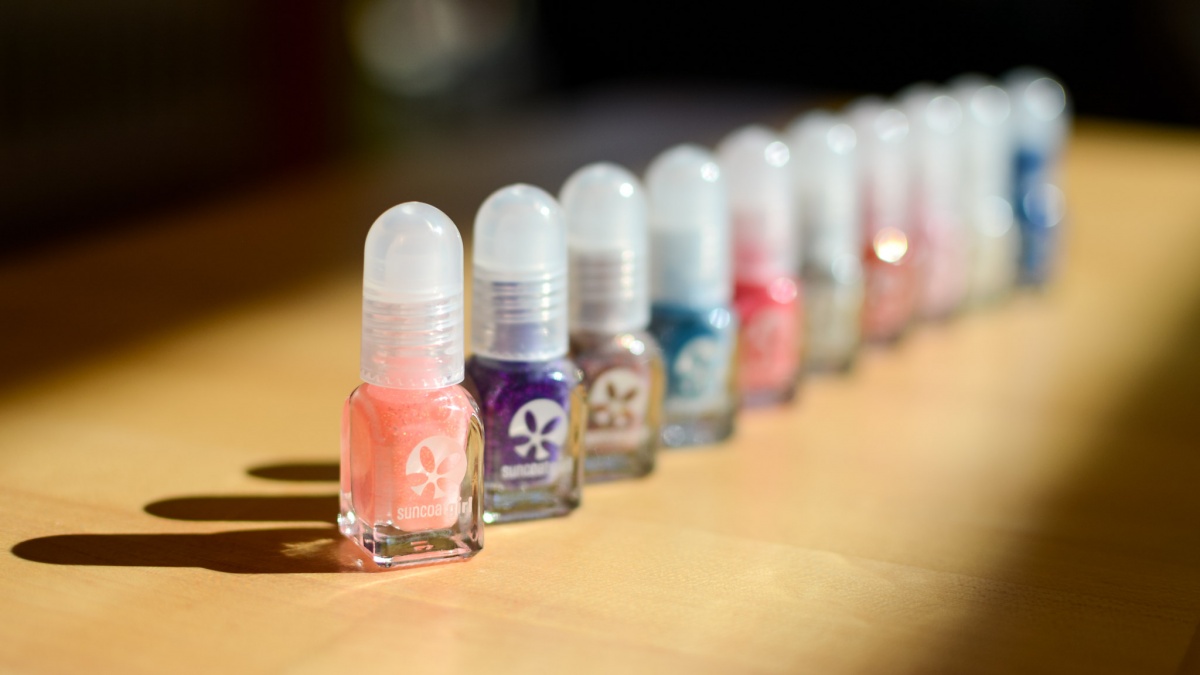
Kids Nail Polish the Complete Parent’s Guide to Harmless, Non-Toxic & Exciting Options
Kids nail polish has become one of the most searched beauty products for parents who want a safe, non-toxic, and fun way for their children to enjoy colorful manicures. Unlike traditional adult formulas, children’s nail polish is designed to be gentle, easy to remove, and free from harsh chemicals—making it ideal for birthdays, holidays, and everyday creative play.
If you’re looking for the best kids nail polish, this complete guide covers safety, ingredients, top brands, buying tips, and expert recommendations.
Kids Nail Polish vs Regular Nail Polish — What’s the Difference?
When choosing nail polish for your child, it’s important to understand how kids nail polish differs from regular (adult) nail polish. While both add color and fun to nails, their formulas, safety standards, and intended uses are very different.
Here’s a clear comparison to help parents make the safest and smartest choice:
1. Formula & Ingredients
Kids Nail Polish
• Water-based or plant-based formulas
• Devoid of harsh compounds such as DBP, formaldehyde, and toluene
• Free from harsh chemicals like formaldehyde, toluene, and DBP
• Often labeled non-toxic, peel-off, or low odor
• Designed to be gentle on young, sensitive nails
Regular Nail Polish
• Typically solvent-based
• Contains stronger chemicals for durability and shine
• May include formaldehyde, toluene, camphor, or acetone
• Better suited for adult nails and professional finishes
Key Takeaway: Kids nail polish puts safety first, while regular polish prioritizes performance and longevity.
2. Odor & Fumes
Kids Nail Polish
• Little to no smell
• Great for indoor or playroom use
• Less irritating for young children
Regular Nail Polish
• Noticeable chemical odor
• Strong fumes could irritate sensitive noses
• Better suited for well-ventilated areas
If your child complains about smell or irritation, regular polish is likely too strong.
3. Ease of Use
Kids Nail Polish
• Easy to apply
• Quick-drying formulas
• Many are peel-off — no remover needed
Regular Nail Polish
• May require base coat, top coat, and thinner layers
• Takes longer to dry
• Requires polish remover (often acetone-based)
Best for Kids: Simple, no-fuss application with peel-off options.
4. Removal Method
Kids Nail Polish
• Often peels off without remover
• No harsh chemicals needed
• Gentle on natural nails
Regular Nail Polish
• Requires polish remover
• Acetone removers can dry out nails
• Can weaken nail surface with frequent use
Easier removal = less chance of damaging small nails.
5. Wear Time & Durability
Kids Nail Polish
• Typically lasts 1–3 days
• Light wear acceptable
• Best for special occasions or playtime
Regular Nail Polish
• Can last 5–10+ days
• More resistant to chips
• Offers a glossy, professional finish
Long wear is great — but kids polish prioritizes health over durability.
6. Safety Considerations
Kids Nail Polish
• Water-based
• Free of toxic solvents
• Low odor
• Non-acetone removal
Regular Nail Polish
• Strong chemicals
• Fumes
• Needs chemical removers
Important: Avoid using nail polish labeled only for adults on children — young nails and skin are more sensitive to harsh ingredients.
Quick Comparison Chart
| Feature | Kids Nail Polish | Regular Nail Polish |
| Formula | Water-based/non-toxic | Solvent-based |
| Odor | Low/no smell | Strong smell |
| Removal | Peel-off or gentle remover | Requires chemical remover |
| Durability | Short-term (1–3 days) | Long-lasting |
| Best For | Children/occasional use | Adults/salon finish |
| Safety | Designed for kids | Not intended for kids |
Distinguishes Gel Nail Polish from Conventional Nail Polish?
Gel nail polish and regular nail polish may appear similar at first glance, but they are quite distinct when observed in use. In everyday life, most individuals are accustomed to traditional nail polish. Standard polish is sold in bottles and dries when exposed to air. Regular polish is readily available in stores and at home. Gel polish for nails is typically available at salons or in special sets that include a compact lamp for curing gel polish.
Based on my observations, the primary difference that individuals notice is in the way regular polish and gel polish are managed during an appointment. A coat of regular polish is applied. It is then simply allowed to dry by itself. This is the reason people frequently remain stationary and await its drying.
Gel polish is applied as well. It is subsequently positioned beneath a unique light among layers. The procedure for applying gel polish appears to be somewhat more complex. That unique light is typically included in the arrangement for gel polish.
It is placed on the table where they perform your nail treatments. When I browse websites offering beauty items, I notice brands such as NSI Nails featured with gel products. This indicates to me that gel polish is frequently categorized alongside regular polish.
I believe this is due to the fact that gel polish is a kind of beauty product applied differently than regular polish.
In everyday discussions, gel polish and regular polish are often regarded as distinct experiences, influenced by the contexts in which people observe them used and how accustomed the process becomes over time.
Best suited for kids nail polishes
Usually, it’s not important unless your kids have an allergic response to something. It would be wise to do a small test on the nail first, since children’s skin is quite sensitive.
Also, make sure to apply it on their skin as well, in case you accidentally smudge some while painting and they experience an allergic reaction. I trust OXX and Miki because they are child-friendly and offer a wide range of colors; other well-known brands (Chanel, Loreal, etc.) can also be reliable, though they’re primarily geared towards adults, but as I mentioned, it’s not a significant issue unless allergies are present.
Is Kids Nail Polish Safe?
Yes — when you choose reputable, child-labeled brands.
What to Look For:
• Water-based formula
• “Non-toxic” label
• Free from harsh chemicals
• Dermatologist-tested (if possible)
• Age recommendations (usually 3+ or 5+)
Always supervise younger children during application.
How to Apply Kids Nail Polish Safely
How to Apply Kids Nail Polish Safely is one of the most important questions parents ask before allowing children to experiment with colorful manicures. While kids nail polish is designed to be gentler than adult formulas, proper preparation, product selection, and removal methods are essential to protect young nails and sensitive skin.
This complete guide covers everything you need to know — from choosing non-toxic polish to step-by-step application, safety precautions, product recommendations, and nail health tips.
Why Safety Matters When Applying Kids Nail Polish
Children’s nails are thinner, softer, and more sensitive than adult nails. Using the wrong product or applying polish incorrectly can lead to:
• Nail dryness
• Peeling or brittleness
• Skin irritation
• Chemical exposure
• Weak nail growth
Choosing the right formula and following safe application steps prevents these issues.
Step 1: Choose the Right Kids Nail Polish
Before learning how to apply kids nail polish safely, you must select the correct formula.
• Look for These Features:
• Water-based formula
• Non-toxic label
• Peel-off option
• Odor-free or low odor
• Age recommendation (3+ or 5+)
Avoid These Ingredients:
• Formaldehyde
• Toluene
• DBP (Dibutyl Phthalate)
• Camphor
• Acetone (for removal)
Water-based polish is the safest option for younger children.
Step 2: Prepare the Nails Properly
Proper preparation prevents lifting, staining, and damage.
Safe Nail Prep Checklist:
- Wash hands with mild soap
- Dry completely
- Trim nails short and smooth
- Gently push back cuticles (never cut)
- Lightly buff only if necessary
Avoid aggressive filing — children’s nails are delicate.
Step 3: Apply Kids Nail Polish Safely (Step-by-Step)
Here’s the safest method:
1- Apply Thin Coats
Thick layers increase drying time and smudging.
2-Use Minimal Product
Wipe excess polish from the brush before application.
3- Paint in 3 Strokes
• One center stroke
• One on each side
4- Let It Fully Dry
Allow 3–5 minutes per coat.
5-Optional: Add a Kid-Safe Top Coat
Only if it’s also water-based and non-toxic.
Step 4: Ensure Proper Drying Time
Kids often smudge polish because they don’t wait long enough.
Tips:
• Avoid water for at least 1 hour
• Keep hands flat during drying
• Use quick-dry water-based formulas
Step 5: Safe Removal Methods
For Peel-Off Polish:
• Gently lift from one corner
• Slowly peel
• Never rip aggressively
For Non-Peel Water-Based Polish:
• Use non-acetone remover
• Avoid harsh rubbing
• Moisturize after removal
Never use adult acetone removers on young children.
Child Nail Polish Ingestion: What Parents Should Know
Concerns include stomach upset and potential chemical exposure.
Ingesting a small amount of gel nail polish typically causes minimal risk if no symptoms appear. Monitor the child for nausea, vomiting, abdominal pain, or unusual behavior. Avoid inducing vomiting. Ensure the child drinks water to help dilute any ingested substance. As soon as symptoms appear or if a greater quantity was used, get medical help. Keep nail polish and similar products out of children’s reach to prevent accidental ingestion.
Best Kids Nail Polish Brands for Safe Application
1. Piggy Paint
• Water-based
• Low odor
• Long-lasting for kids
2. Suncoat Girl
• Minimal ingredients
• Easy peel-off
3. Townley Girl
• Fun character designs
• Budget-friendly
4. Karma Kids
• Bright shades
• Safe formula
(Include affiliate buttons in WordPress such as “Check Price on Amazon”)
How Often Can Kids Wear Nail Polish?
Limit use to:
• Special occasions
• Once per week maximum
• Short wear durations
Allow nails to “rest” between applications.
Nail Health Tips for Children
• Keep nails trimmed
• Encourage handwashing
• Apply gentle moisturizer
• Avoid biting or picking polish
• Provide balanced nutrition
Healthy nails grow best when not constantly covered.
Common Mistakes Parents Make
• Using adult nail polish
• Applying thick coats
• Not supervising younger children
• Using acetone removers
• Allowing long-term wear
Avoiding these ensures safer manicure sessions.
Types of Kids Nail Polish
1-Water-Based Nail Polish (Best Overall)
• Safe for children
• Easy peel-off removal
• No strong smell
• Ideal for ages 3+
2-Peel-Off Nail Polish
• No remover needed
• Great for short-term wear
• Perfect for parties
3- Glitter & Shimmer Polish
• Popular for events
• Adds sparkle without extensions
4-Nail Polish Sets
• Multiple colors in one pack
• Ideal for gifts
• Cost-effective for families
Top Best Kids Nail Polish Brands
1. Piggy Paint
Best Non-Toxic Formula
Pros:
• Water-based
• Odorless
• Long-lasting for kids’ polish
Cons:
• Slightly higher price
2. Townley Girl Nail Polish
Best Character-Themed Polish
Pros:
• Disney & cartoon themes
• Affordable
• Peel-off formula
Cons:
• Wear time is short
3. Suncoat Girl
Best for Sensitive Skin
Pros:
• Vegan
• Water-based
• Minimal ingredients
Cons:
• Limited shades
4. Ella + Mila (Mom & Me Friendly)
Pros:
• 17-free formula
• Stylish colors
Cons:
• Not fully peel-off
5. Karma Kids
Pros:
• Bright shades
• Water-based
Cons:
• Chips quickly
Buying Guide: How to Choose the Best Kids Nail Polish
1. Consider Age
• 3–5 years: Water-based only
• 6–10 years: Glitter & sets acceptable
• Tweens: Wider shade options
2- Check Ingredients
Avoid:
• Formaldehyde
• Toluene
• Phthalates
• Acetone
3- Consider Occasion
• Daily wear → neutral shades
• Party → glitter polish
• Gift set → multi-pack kit
Health & Nail Care Tips for Children
• Limit polish use to 1–2 times per week
• Allow nails to “breathe”
• Keep nails trimmed
• Encourage hand hygiene
How do you make homemade nail polish?
You may begin by experimenting with food coloring and dissolving nitrocellulose in acetone. Acetone is readily available. Although you can produce your own nitrocellulose using cotton wool and nitric acid or buy it from specialty sources, I believe that nail paint is generally much easier to obtain.
Bottom Line
Kids nail polish offers a fun, safe, and creative way for children to explore self-expression without the risks associated with adult nail products. By choosing water-based, non-toxic formulas and limiting wear time, parents can ensure both safety and enjoyment. Whether you’re buying a single bottle or a colorful gift set, the key is selecting trusted brands and prioritizing nail health first.
Knowing how to apply kids nail polish safely ensures that manicure time remains fun, creative, and risk-free. By choosing water-based, non-toxic products, applying thin coats, supervising properly, and limiting wear time, parents can protect their child’s natural nail health while still allowing self-expression.
Safe application isn’t just about polish — it’s about protecting growing nails and building healthy habits early.
Kids nail polish is the safest choice for children — gentle, fun, easy to remove, and free from harsh chemicals. Regular nail polish, while long-lasting and high-performance, should be reserved for older teens and adults due to its stronger formula and need for chemical removers.
If your child wants to experiment with nail color, choose a water-based, non-toxic kids polish and make manicure time fun and safe.