
Table of Contents
1. Medical Conditions That Cause Brittle Nails
Medical Causes, Repair Strategies, and Senior Nail Care, While aging is the primary factor, several medical issues can trigger nail cracking:
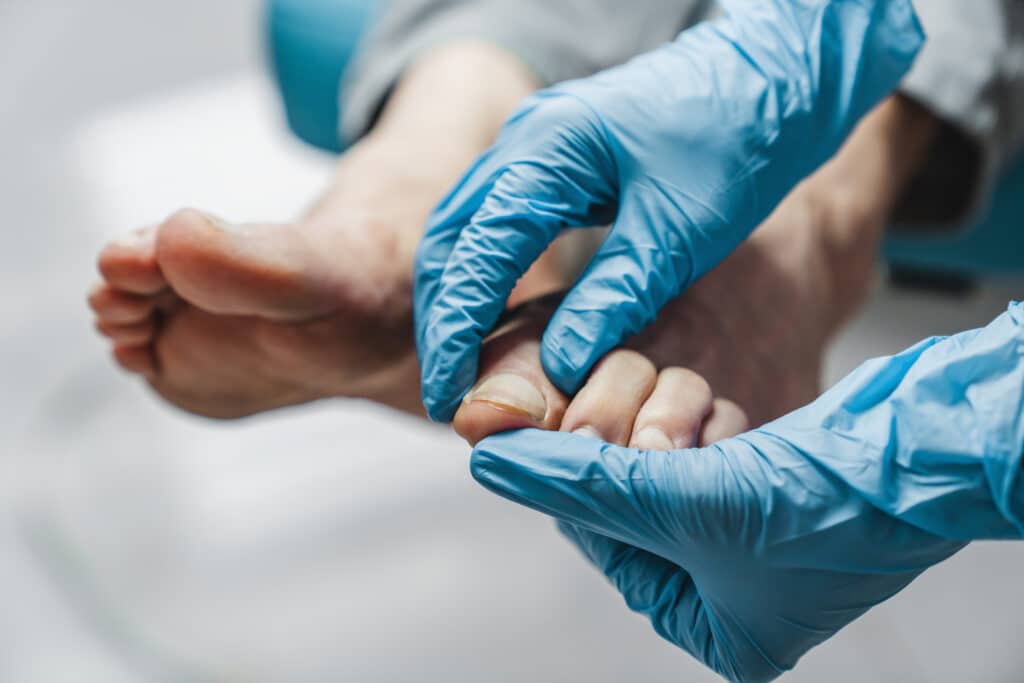
- Fungal Disease (Onychomycosis): Responsible for 50% of all nail issues in the elderly. It leads to thickening, detachment, and color changes (yellow, brown, or white).
- Psoriasis: Causes small indentations in the nail bed, ruby-colored beds, and insecure nails.
- Anemia: Iron deficiency prevents oxygen transport to tissues. Symptoms include broken nails, exhaustion, and chilly hands.
- Thyroid Disorders (Hypothyroidism): Insufficient hormones cause fragile nails that snap off, swelling in calves, and puffiness around eyes.
- Pressure and Deformities: Overly tight shoes can lead to ingrown toenails, causing significant pain and mobility issues.
2. How to Repair Cracked Nails at Home
If your nail is split or damaged, follow these measures:
- Trim the Damage: If the rip is significant, cut off the damaged section to prevent further snagging.
- Smooth Edges: Use an emery board to smooth sharp edges.
- Protect the Bed: If the nail bed is visible, keep it protected until the nail grows back.
- Nail Wraps: Kits are available consisting of a slim layer and adhesive to secure the crack.
3. Prevention Tips for Aging Nails
Proactive prevention is essential in senior nail care—not merely addressing issues, but preventing them:
- Avoid Harsh Products: Steer clear of polish removers containing toluene and formaldehyde.
- Paraffin Wax Bath: Use these at home or in a salon to deeply hydrate the hands.
- Moisturize After Water: Thoroughly dry hands and apply lotion immediately after they have been submerged.
- Inner Hydration: Consuming sufficient water is crucial as dehydration increases nail fragility.
4. When to Consult a Healthcare Professional
Although numerous nail changes associated with aging are slight, some may indicate heart and lung diseases, liver and kidney conditions, or diabetes. Consult your family healthcare provider or dermatologist if you experience:
- Sudden weakness accompanied by pain.
- Significant discoloration (dark green or black).
- Inflammation or swelling.
- Abrupt changes in nail shape.
FAQ’s
Q1: Why do nails weaken as we age?
A: As people age, nails weaken because of slower cell regeneration, diminished blood flow, and lowered natural oil secretion.
Q2: Is diminished nail growth a natural aspect of aging?
A: Indeed. It is common to observe nails growing at a slower pace and forming ridges as time passes.
Q3: Can nutrition assist in avoiding fragile nails?
A: Certainly. A diet high in protein, biotin, iron, zinc, and omega-3 fatty acids promotes healthy growth.
Q4: How frequently should older adults cut their nails?
A: Every 2–3 weeks. Maintaining short nails helps avoid splitting and unintentional injury.
Q5: Are nail strengtheners safe?
A: Certain formulas are beneficial, but older adults should steer clear of items containing formaldehyde.
Q6: Which vitamin deficiency leads to splitting nails?
A: Insufficient intake of vitamins A, B, C, and D, or levels of iron, zinc, and calcium.
Q7: Does a lack of vitamin D impact nails?
A: Yes. A lack of vitamin D is associated with soft nails because it helps the body absorb calcium.
Conclusion:
Knowing why nails weaken over time enables seniors to take preventive measures for better health. With appropriate hygiene, diet, and care, aging nails can stay resilient and comfortable, enhancing overall self-esteem and quality of life.
1 thought on “Medical Causes, Repair Strategies, and Senior Nail Care”