
Table of Contents
Nail care for seniors with diabetes and elderly individuals with diabetes is a crucial component of overall Senior Nail Care and must always be prioritized. During the initial phases of diabetes management, maintaining good nail hygiene aids in avoiding infections, slow-healing injuries, and severe foot issues that are more prevalent among older individuals with diabetes.
What is Diabetes?
Diabetes is a chronic metabolic condition that impacts the body’s capacity to handle glucose, resulting in elevated blood sugar levels. It may appear in various types—Type 1, Type 2, or gestational diabetes—and is associated with various symptoms such as intense thirst, frequent urination, tiredness, and unexplained weight loss.
A significant complication of diabetes is impaired blood flow, especially in the hands and feet. As time progresses, inadequate circulation can lead to multiple problems, such as a heightened risk of infections.
What is Nail Infection?
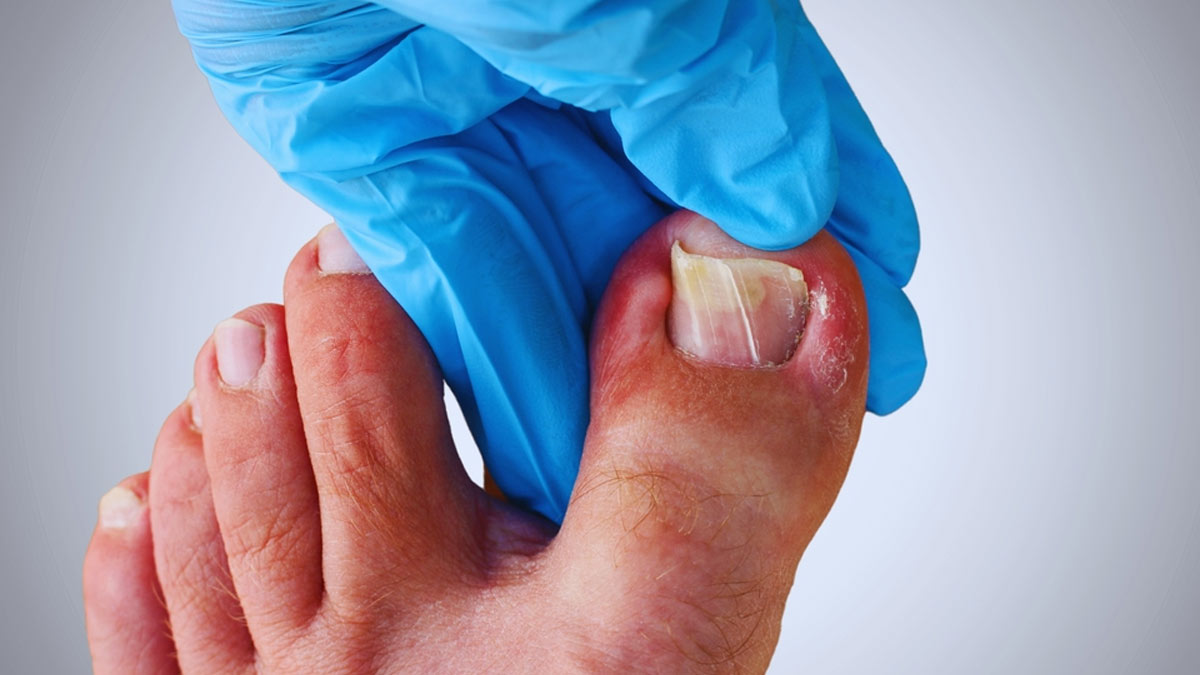
Nail fungus, referred to in medical terms as onychomycosis, is a prevalent issue. It commonly begins as a tiny white or yellow dot beneath the end of your nail. As time goes on, the infection may deteriorate, resulting in nails that thicken, change color, and break near the edges. In certain instances, it could also lead to an unpleasant smell.
Ways to Address Nail Fungus When You Have Diabetes
Addressing nail fungus can be a lengthy process since nails grow slowly. Physicians usually begin treatment with antifungal drugs, including oral tablets, topical lotions, or salves. If the infection is serious, they might suggest removing the damaged nail.
Recent therapies, including laser and light-based options, demonstrate potential but need additional research to confirm their efficacy.
The Unrecognized Champions: The Importance of Nail Care for Diabetics
For numerous individuals, a manicure or pedicure serves as a luxury, an opportunity to unwind and be indulged. For those with diabetes, proper nail care is not a luxury but an essential part of managing their overall health. Neglecting your nails when you have diabetes can result in severe complications that may threaten your limbs.
Why Nail Care for Diabetics Is Extremely Crucial
Diabetes and Your Feet: A Sensitive Link
Diabetes, especially when blood sugar is poorly managed, can lead to two major effects on your feet:
1. Neuropathy (Nerve Injury):
Elevated blood sugar levels can harm nerves, typically beginning in the feet. This may result in a loss of feeling, indicating you could be unaware of pain, pressure, or changes in temperature. A minor cut, blister, or ingrown toenail might remain overlooked and unaddressed.
2. Peripheral Artery Disease (PAD) / Inadequate Circulation:
Diabetes can constrict and stiffen blood vessels, decreasing blood circulation to the feet. This undermines the body’s capability to heal injuries and combat infections.
Merge these two elements, and you create a formula for catastrophe if a small nail issue worsens.
Concerning Issues Related to Fingernails and Toenails
Nails safeguard and uphold the delicate ends of our fingers and toes. Fingernails assist us in grasping items, alleviating an itch, or undoing a knot. Fingernails grow approximately three times quicker than toenails.
Nail issues impact individuals across all age groups. Diet usually does not cause abnormal nail changes unless the individual is experiencing severe malnutrition.
Certain nail issues require professional care from a physician or dermatologist, whereas others can improve with basic self-care methods and slight adjustments in lifestyle.
Problems with toenails can impact individuals of any age, but are usually more prevalent among older adults. Frequent reasons for fingernail issues involve trauma, infections, and skin disorders like eczema and psoriasis.
Factors leading to toenail issues encompass injury, shoes that don’t fit properly, inadequate blood flow, insufficient nerve supply, and infections. A podiatrist can effectively treat issues related to toenails.
The Risks of Overlooked Nails
When neuropathy and poor circulation occur, even minor nail problems can turn into significant health risks.
- Ingrown Toenails:
A frequent problem for anyone, but for diabetics, an ingrown toenail (where the nail embeds into the nearby skin) can swiftly result in an open sore. - Fungal Nail Infections (Onychomycosis):
Thickened, fragile, or discolored nails frequently indicate a fungal infection. - Thick or Brittle Nails:
Diabetic neuropathy may affect nail development, resulting in nails becoming thicker and more difficult to cut. - Self-Care Cuts and Nicks:
Improper technique or lack of appropriate tools while trimming your nails can unintentionally lead to minor cuts.
The Importance of Nail Care for Seniors with Diabetes
As individuals get older, nails inherently grow thicker, drier, and more brittle. With diabetes present, diminished blood flow and nerve sensitivity (neuropathy) heighten the likelihood of unnoticed cuts, infections, and ingrown toenails.
Caring for Diabetic Feet and Toenails
Neglecting foot care or incorrectly trimming toenails, particularly in diabetic individuals, is a major contributor that may lead to future amputations of toes or feet.
Proper care of toenails can help reduce the risk of wounds, complications, pain, and issues with walking.
Proactive Nail Maintenance: Your Ultimate Protection
Daily Foot Examination
Develop a daily routine to look at your feet and toes, paying attention to your nails for any alterations.
Safe Nail Trimming
- Cut straight across
- File softly
- Avoid cutting cuticles
Professional Foot Care
A podiatrist focuses on the health of feet and ankles and is highly skilled in managing diabetic foot care.
Hygiene & Moisturization
Maintain clean and dry nails. Hydrate but skip space between toes.
Proper Footwear
Shoes that fit too snugly or too loosely can lead to friction and undue pressure.
The Connection Between Diabetes and Nail Fungus
Controlling diabetes can be difficult, yet it is achievable. Variable blood sugar levels frequently establish a setting conducive for fungus to flourish, endangering nails.
Why Diabetics Are Prone to Nail Infections
- Compromised Immune Response
- Inadequate Blood Flow
- Peripheral Neuropathy
- Increased Blood Sugar Levels
Frequent Symptoms of Nail Infections in Diabetic Patients
| Indication | Description |
| Discoloration | Yellow, brown, white, green, or black nails |
| Thickening | Nail becomes abnormally thick |
| Brittleness/Crumbling | Nail easily breaks or crumbles |
| Nail separation | Nail lifts away from nail bed |
| Swelling/redness/pain | Around nail fold |
| Pus/discharge | Yellow or green pus |
| Abnormal growth | Ridges, waves |
| Odor | Foul smell |
| Pain/difficulty walking | Especially with thick nails |
Why Acting Fast Is So Important
Postponing treatment heightens risks of infection spread, ulcers, pain, tissue necrosis, and amputation.
Strategies for Effectively Handling Nail Infections
- Topical or oral antifungal drugs
- Antifungal gels and pills
- Surgical or laser procedures (if required)
- Blood sugar regulation
Nail Care: Assisting Diabetic Patients (For Professionals)
Importance of Specialized Care
- Dehydration & discomfort
- Prolonged healing
- Inadequate circulation
Safety Measures
- Restrict soaking duration
- Gentle cuticle handling
- Sterilized instruments
- Continuous communication
Benefits of Regular Nail Care
- Stronger nails
- Moisturized skin
- Increased comfort
Suggested Products
- Balms and oils
- Hydrating creams
- Antimicrobial treatments
When to Seek Professional Help
Do not attempt to manage corns, calluses, or ingrown nails at home.
Final Takeaway
In Senior Nail Care, especially for diabetic seniors, hygiene, early detection, and professional care are essential for long-term wellness and safety.
1 thought on “Nail Care for Seniors with Diabetes”