
Table of Contents
Safe nail tools for toddlers and kids are essential for effective kids’ nail care, particularly in their early years when their nails are delicate and their movements can be erratic. Selecting the appropriate tools allows parents to safely cut and tidy nails, avoiding cuts, infections, and avoiding undue stress for both children and caregivers.
Before the invention of the nail clipper, how did people cut their nails?? Did they bite them? If so why is it now considered a bad habit?
Safe nail tools for toddlers and kids may feel like a modern parenting necessity, but nail care tools have existed for thousands of years—and history helps explain why proper tools matter today, especially for children. Long before modern nail clippers were invented, ancient civilizations understood the importance of trimming nails safely and hygienically.
A Brief History of Nail Care Tools
Archaeological evidence shows that as early as ancient Greece and Rome, people used specialized nail care instruments. Nail grooming was often done by barbers, using small knives or early tool kits that closely resemble today’s clippers.
Even ancient Roman nail-care sets included tools designed specifically for trimming and cleaning nails, proving that safe nail tools were valued long before modern times.
In older civilizations like Mesopotamia, many people performed manual labor, which naturally wore down nails. However, nail care was still culturally significant, and cleanliness mattered. What’s important here is that even historically, nail care was done with tools—not teeth.
Why Nail Biting Is Unsafe—Especially for Kids
Biting nails may have happened occasionally in the past, but today it’s considered a bad habit for good reason. Nail biting introduces dirt, bacteria, and germs directly into the mouth. For toddlers and kids, whose immune systems are still developing, this can lead to infections and illness. This is why safe nail tools for toddlers and kids are strongly recommended over nail biting or tearing.
Why Modern Safe Nail Tools Are Essential for Kids
Children’s nails are softer and their movements unpredictable. Modern Kids Nail Care tools—such as baby nail clippers, blunt-tip scissors, soft nail files, and electric nail trimmers—are designed with safety features that ancient tools lacked. Rounded edges, controlled pressure, and ergonomic grips reduce the risk of cuts and bleeding.
Key Takeaway for Parents
History shows nail care has always required tools—but today we know better how to make them safer. Using safe nail tools for toddlers and kids promotes hygiene, prevents infection, and builds healthy grooming habits early.
The Importance of Safe Nail Tools in Children’s Nail Care
Young children and toddlers possess sensitive skin and fragile nails that need careful treatment. Utilizing improper or adult-sized equipment raises the likelihood of harm. Nail tools for toddlers and kids are specifically crafted with rounded edges, comfortable grips, and regulated cutting strength to ensure the safety of tiny fingers and toes.
Reasons for the Rising Popularity of Nail Cutters for Children
In recent years, demand for specialized nail care tools designed for children has significantly increased. Parents are becoming more conscious of the dangers linked to using adult-sized clippers on tiny hands.
Pediatric guidelines suggest that newborns may unintentionally scratch their faces because of immature motor control, so regular nail care is crucial.
This increasing awareness, along with improved product innovation, has resulted in more targeted solutions. Attributes like soft-grip handles, rounded-tip blades, and quiet electric grinders attract caregivers looking for safer, quieter, and more efficient options.
Moreover, parenting groups on social media often exchange experiences and feedback, enhancing word-of-mouth confidence in specific brands and trends.
Challenges Parents Face When Cutting Baby Nails
One of the most challenging tasks for any new parent is cutting the baby’s nails. The mix of a wriggly little child, small fingers and toes, along with the anxiety of causing a prick, renders the task appear nearly unfeasible—but it’s not something you can simply overlook.
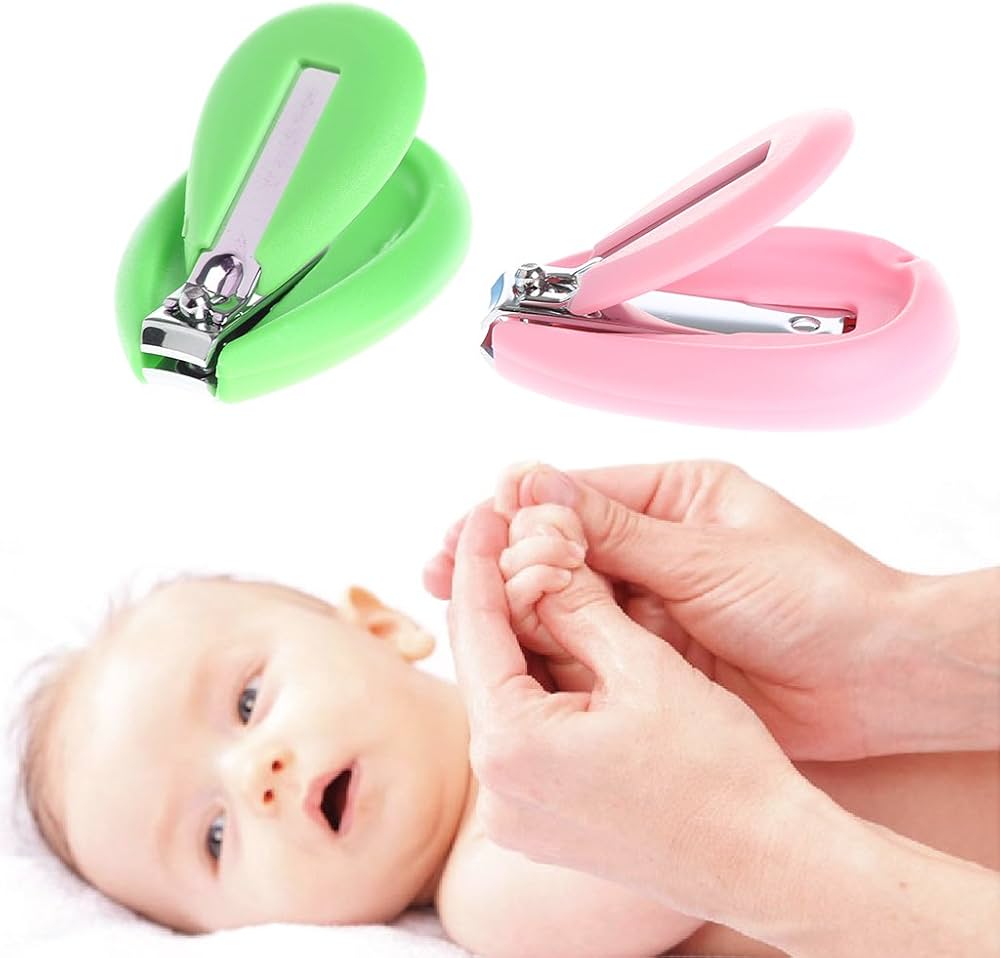
Fortunately, product designers have developed baby nail clippers tailored for tiny nails to help reassure nervous parents. We’ve gathered the top baby nail clippers in the grooming market, ensuring the task is easy, painless, and free of tears—for you and your baby.
What To Consider in Baby Nail Clippers
Kind of Tool
Baby nail clippers are available in various styles and sizes—your choice primarily depends on your preference and comfort. Tools include baby nail files, electric clippers, nail scissors, and nail grinders.
User-Friendly Design
Comfortable grips, safety guards, and curved blades enhance the experience, making trimming smoother and safer.
Additional Functionalities
Some tools include magnifying glasses or integrated lights to improve visibility, especially when trimming nails while the baby sleeps.
Crucial Safe Nail Instruments for Young Children and Toddlers
- Rounded-end baby nail clippers
- Blunt-tip scissors
- Gentle nail files or emery boards
- Electric baby nail trimmers
What to Steer Clear of When Selecting Nail Tools
Avoid adult nail clippers, rusty tools, dull blades, or tools with poor grip. Sharing nail tools without proper cleaning compromises hygiene.
Advice for Secure Usage at Home
- Trim nails in a bright space
- Cut nails when the child is calm
- Sanitize tools after every use
- Store tools out of children’s reach
Why Adult Tools Are Unsafe
Larger Size and Sharper Edges
Adult tools can cut too deeply, causing bleeding.
Limited Management for Tiny Hands
Unexpected movements increase injury risk.
Increased Likelihood of Nail Injury
Adult tools may split fragile nails.
Hygiene Issues
Shared adult tools increase infection risk.
Absence of Safety Features
Adult tools lack rounded edges and guards.
Types of Safe Tools Used in Kids Nail Care (H2)
Nail Clippers for Infants and Toddlers (H3)
Rounded edges and compact cutting areas.
Dull-Point Nail Shears (H3)
Curved blades and blunt tips.
Gentle Nail Files and Abrasive Boards (H3)
Safe alternative to cutting.
Electric Nail Clippers (H3)
File nails without sharp edges.
Cleaning and Organization Equipment (H3)
Disinfectant wipes and storage containers.
How to Choose the Right Nail Care Tools
Comprehend Your Child’s Age and Nail Kind
Choose tools based on age and nail thickness.
Seek Safety Attributes
Rounded corners and ergonomic grips.
Select the Appropriate Tool Type
Clippers, scissors, files, or electric tools.
Inspect Material and Quality
Prefer stainless steel tools.
Sanitation and Simple Cleanup
Tools should be easy to sanitize.
Reflect on Your Comfort as a Parent
Choose tools you can control confidently.
Storage and Hygiene in Kids Nail Care
Sanitizing Nail Instruments Following Each Use
Clean with warm water and sanitize.
Correct Storage of Nail Care Instruments
Store in dry containers, not bathrooms.
Store Tools Apart and Ensure Child Safety
Separate adult and child tools.
Substitute Worn or Damaged Instruments
Replace rusty or blunt tools.
Instill Hygiene Practices Promptly
Teach handwashing habits early.
Do’s and Don’ts of Kids Nail Care
Do’s: Best Practices
- Moisturize cuticles
- Use child-safe tools
- Trim straight across
- Clip hangnails carefully
Don’ts: What to Avoid
- Nail biting
- Tearing hangnails
- Harsh chemicals
- Digging into ingrown nails
Final Thoughts
Utilizing safe nail tools for toddlers and children simplifies, secures, and enhances Kids Nail Care. By using the appropriate tools and establishing good habits, parents can securely keep their child’s nails healthy while ensuring their comfort and safety.
(FAQs)
Q1: How frequently should children’s nail instruments be sanitized?
After each use.
Q2: Is it possible to keep children’s nail tools in the bathroom?
No, humidity encourages bacteria.
Q3: Is it necessary to store children’s nail tools separately?
Yes, to prevent germ transfer.
Q4: What is a safe method for disinfecting nail tools?
Alcohol wipes or child-safe disinfectants.
Q5: When should nail tools be replaced?
When rusty, blunt, or damaged.
1 thought on “Safe Nail Tools for Toddlers and Kids”