
Table of Contents
1. Introduction to Aging and Nail Health
Why Nails Become Weak with Age, a frequent issue in elderly nail care is understanding why nails weaken as people age, typically manifesting as thinning, splitting, slow growth, or changes in color. In the initial years of aging, alterations in circulation, nutrition, and nail structure start to influence nail strength, rendering proper care crucial for senior individuals.
Understanding the Physical Changes
- Expansion Rate: Nail growth gradually decreases as time passes. The typical growth rate is approximately 3mm each month, with a normal range between 1.8 mm and 4.5 mm. The toenails grow about one third to half as fast as the fingernails. By the time one reaches 20 years old, the rate of growth decreases by approximately 0.5% each year.
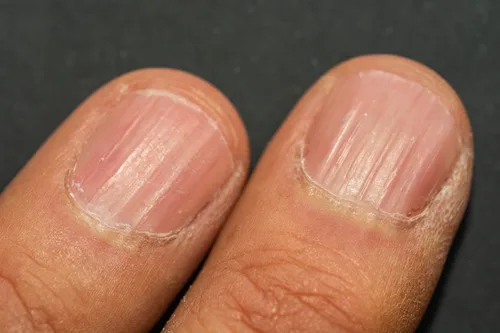
- Nail Surface: As one ages, nails can become fragile and susceptible to breaking. Frequent wetting and drying, along with contact with strong cleaning agents or beauty products such as cuticle and nail polish removers, can aggravate the issue. Greater brittleness may lead to ridges running the length of the nail and breakage of the nail.
- Nail Width: With age, nails can either thicken or thin out. Ailments such as psoriasis and rheumatoid arthritis may also lead to nails becoming thicker.
- Nail Shape: The shape of your nails can alter as you grow older. A significant alteration in shape characterized by highly rounded nails is clubbing, indicating prolonged oxygen deficiency. It should be examined by your healthcare professional.
2. Reasons Why Nails Deteriorate with Age
Multiple age-related elements lead to nail fragility:
- Decreased Keratin Synthesis: The body generates less keratin—the protein that strengthens nails—resulting in weak and fragile nails.
- Reduced Blood Flow: Decreased circulation to hands and feet restricts the supply of oxygen and nutrients.
- Moisture Retention: With age, nails lose natural oils, leading to dryness and fissures.
- Hormonal Fluctuations: Variations in hormone levels influence nail thickness and elasticity.
3. Have Weak, Flaky, or Broken Nails? 6 Primary Reasons
If your nails are failing, one of these six factors is likely the culprit:
- Frequent Gel Manicures: Nails are filed aggressively prior to application; removal requires soaking in acetone and scraping, which dehydrates the plate.
- Scraping Off Polish: This removes layers of the nail plate, resulting in thinner nails that take months to grow out.
- Household Chores Without Gloves: Water, soap, and cleaning products remove natural oils, causing brittle plates.
- Unbalanced Diet: Deficiencies in iron, zinc, or vitamins A, C, or D lead to irregularities. Biotin aids in transforming food into energy for nail structure.
- Using Nails as Instruments: Using nails to open packages or remove labels causes trauma, fissures, and separations.
- Natural Evolution: Aging naturally slows growth and moisture retention.
4. Daily Senior Nail Care Basics
Effective senior nail care can reduce the signs of visible nail aging:
- Soft Cleansing: Wash each day with warm water and gentle soap to eliminate germs without causing dryness.
- Hydration Routine: Use a thick hand lotion or cuticle oil two times daily to renew suppleness.
- Safety Practices: Use gloves when washing dishes, gardening, or cleaning to shield from chemicals.
- Trimming and Upkeep: Maintain nails at a proper length. Trim straight across with sharp clippers and softly file in one direction.
1 thought on “Why Nails Become Weak with Age: A Complete Senior Nail Care Guide”