Table of Contents
The Beginner Guide to Nail Care at Home is a great place to start if you want stronger, healthier, and more appealing nails without having to pay for them at a salon. Have you ever looked at your nails and wondered, “What can I do to improve their health and appearance without going to a salon?”
Gorgeous, healthy nails aren’t a coincidence—they stem from regular maintenance and positive practices. If you’ve ever faced issues with weak nails, dehydrated cuticles, or nails that refuse to grow, you’re not the only one. The positive update? An easy nail care regimen can change your nails in only a few weeks. This detailed guide will guide you through all you need to learn to establish good nail habits from the ground up.
Why Is Nail Care Important?
Your nails represent more than merely a cosmetic detail. They safeguard your fingertips and can indicate your general health. Weak, fragile, or injured nails may result from poor care, dehydration, or harsh habits.
A consistent nail care routine helps:
- Keep nails strong and less prone to breakage.
- Improve nail growth naturally.
- Prevent infections and dryness.
- Make your hands look neat and polished.
- Boost confidence and self-care habits.
Crucial Resources for Novices:
Before beginning your routine, grab the following fundamental supplies:
Must Have:
- Nail File: Select a glass or crystal file with a fine grit (180–240 grit), which is kinder than metal files.
- Cuticle Oil: Seek for oils containing almond oil, vitamin E, or jojoba.
- Hand Cream: A rich, nourishing product for everyday moisturizing
- Nail Clippers: Clean, sharp nail clippers for trimming
- Cuticle Pusher: A soft silicone or wooden pusher
Good to Have
- Nail Buffer: To give natural shine and level out ridges.
- Base Coat: Prevents polish discoloration on nails.
- Rubber gloves: To shield hands while performing tasks.
- Nail Strengthener: For particularly feeble nails
Budget Tip: To begin started, you don’t need pricey instruments. Essentials include hand cream, cuticle oil, and a good file. Over time, you can upgrade.
How to Start Taking Care of Nails:
If you are entirely new to nail care, begin with the basics. You don’t require a cabinet filled with items to start.
Step 1: Soften Your Fingernails: The ideal moment to perform your nail care routine is immediately after a shower, as your nails will be soft and flexible. Start by immersing your hands (or feet) in warm water for 5–10 minutes. You may include a small amount of salt or mild soap to aid in softening and cleaning.
Using nail polish? Starting your routine with nail polish remover to clean your nails is essential. This stage can likewise remove oil, dirt, and residue. To prevent your nails and the skin around them from drying out unnecessarily, opt for a non-acetone solution.
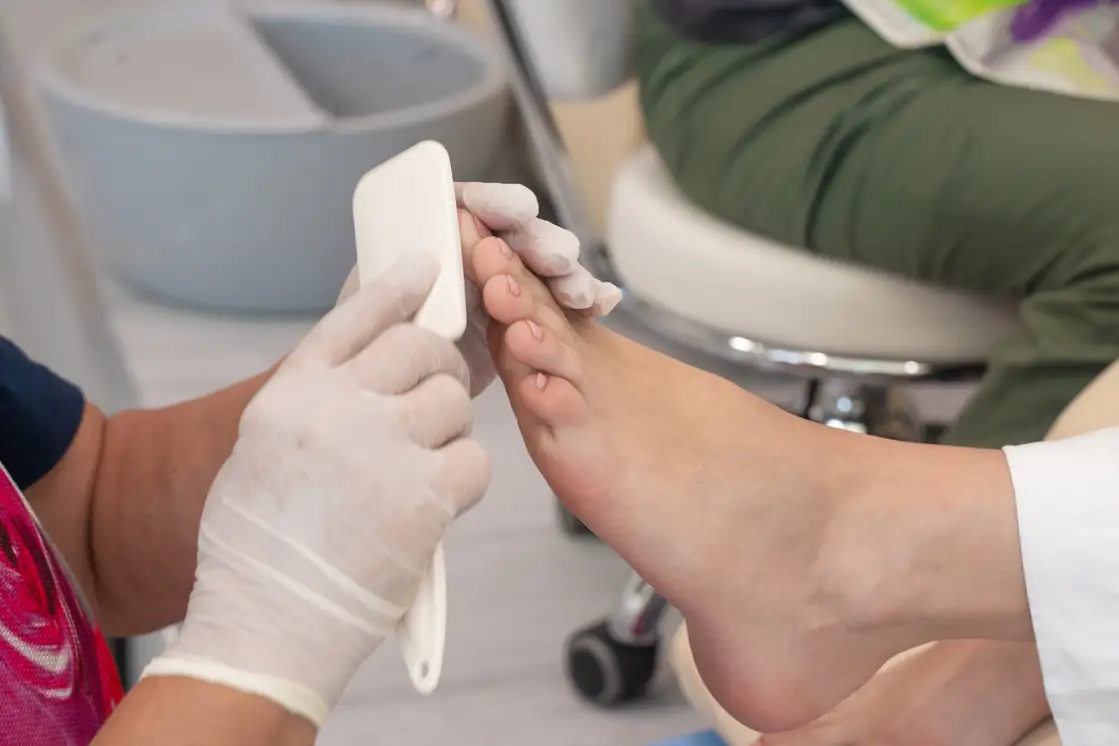
Step 2: Cut and Form Them Correctly: Trimming often causes issues in many routines—typically due to the use of inappropriate tools. Use nail clippers or nail scissors for your fingernails and a different toenail clipper for your toes. They are made differently for a purpose, and utilizing the incorrect type for your nail care may result in uneven or painful cuts.
For fingernails, you should cut nearly straight across, then gently round the edges to avoid snags. Toenails ought to be cut straight across to minimize the possibility of ingrown nails.
Remember to sanitize your tools every month. Drench a brush in 70–90% isopropyl alcohol and clean your tools. Wash them in hot water and dry completely before putting them away.
Step 3: File to Shape (and Buff for Extra Shine) : Once your nails have been trimmed, file them into the form of your choice—square, round, almond, or naturally curved. For this stage, use a light nail file. A glass or crystal file works well since, in contrast to typical emery boards, it leaves a smoother edge and is less likely to produce microscopic tears in the nail, which can result in splits and flaking. Additionally, to prevent splitting or fraying, always file in one direction.
If the surface of your nails is dull or uneven, buffing can be a terrific addition to your nail care regimen. Ridges can be smoothed and polish adherence improved with a soft nail buffer. Just be careful—buffing too frequently could thin the nail plate.
Step 4: Care for Cuticles: Dermatologists are screaming inside, even though cutting cuticles may seem like the professional thing to do. The American Academy of Dermatology advises against touching your cuticles. They shield the root of your nail from infection and bacteria. Cutting them exposes you to potential problems that you absolutely do not want to deal with.
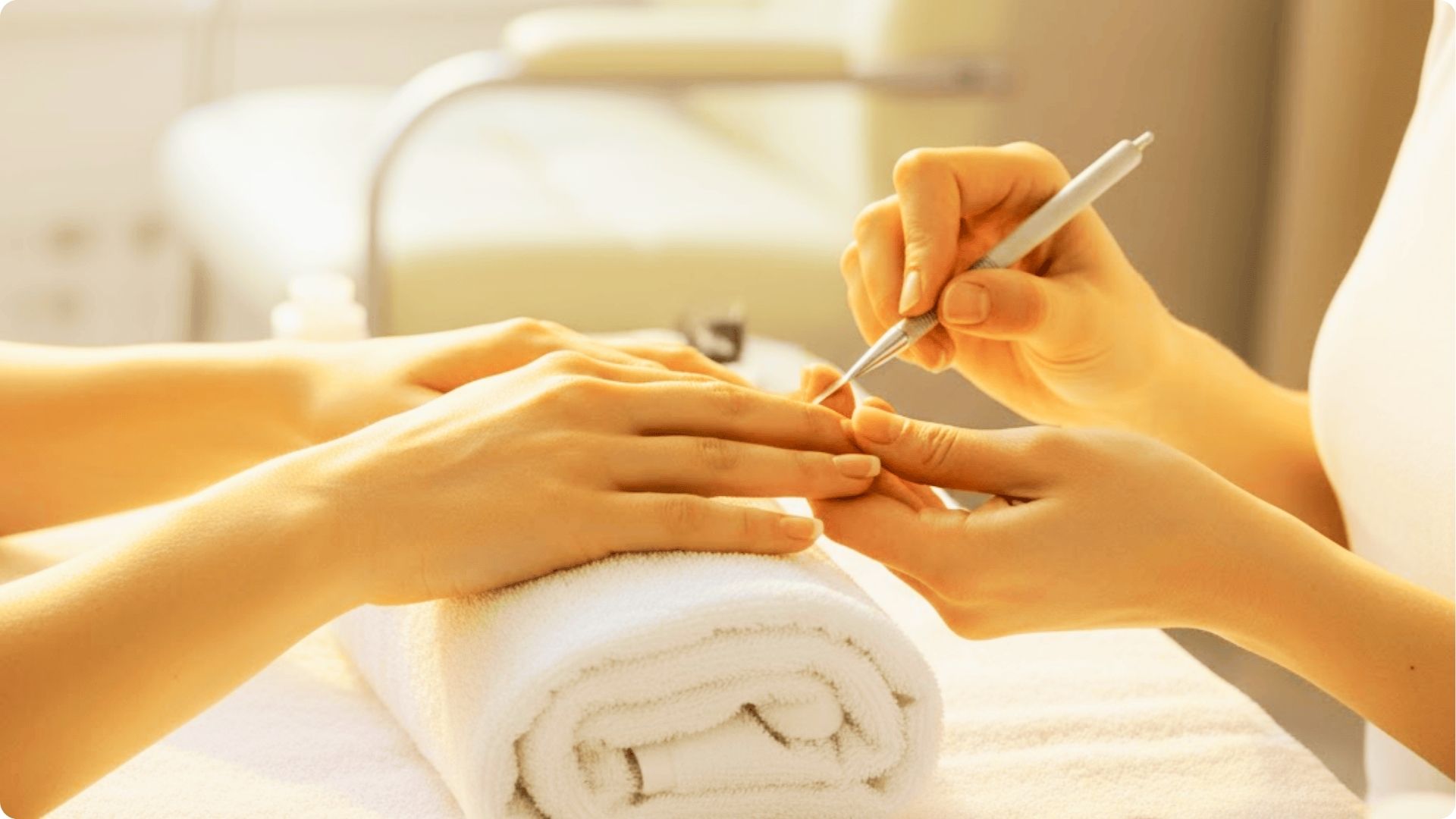
However, pushing your cuticles back without cutting them is OK. Use a wooden stick to gently press back the cuticle after using a cuticle remover and letting it soften the skin for a minute or two. During this part of your nail care regimen, it’s important to be gentle—no pressure, no pain.
Step 5: Moisturize Your Hands and Cuticles: Dry nails shatter, split, and scream for assistance. Hydration is part of a good nail care regimen. Apply a hand cream that targets your cuticles as well as your skin and nails. Expert advice for taking care of your nails: do this before bed and after each hand wash.
Better still? Use a cuticle oil that has substances like sweet almond oil, jojoba, or vitamin E (On Skin can help you understand what’s in your bottles). In addition to providing nourishment, oil gives your nails a “just left the spa” sheen. For any kind of manicure, from simple to striking, it’s instant luxury.
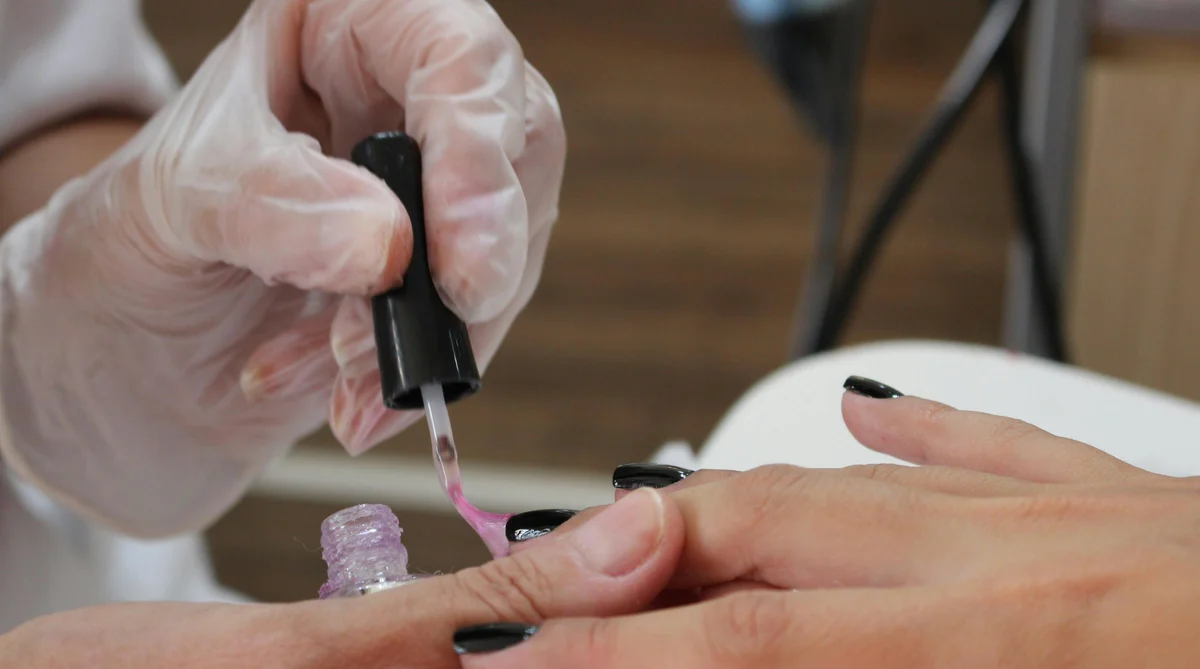
Step 6. Add Polish (If You Choose To): Here’s how to polish like a pro if you feel like it:
1. Base coat. This helps the lacquer stick to your nails better and keeps them from being stained.
2. Apply a color coat. Depending on the tint you want, apply one to three thin applications. Give each coat a minimum of two minutes to dry. Layers that are thinner chip less and endure longer.
3. The top layer. This prevents chipping, adds gloss, and seals everything in.
Do you need a hack? To expedite the drying process, use a nail drying spray or briefly submerge your fingertips in ice water.
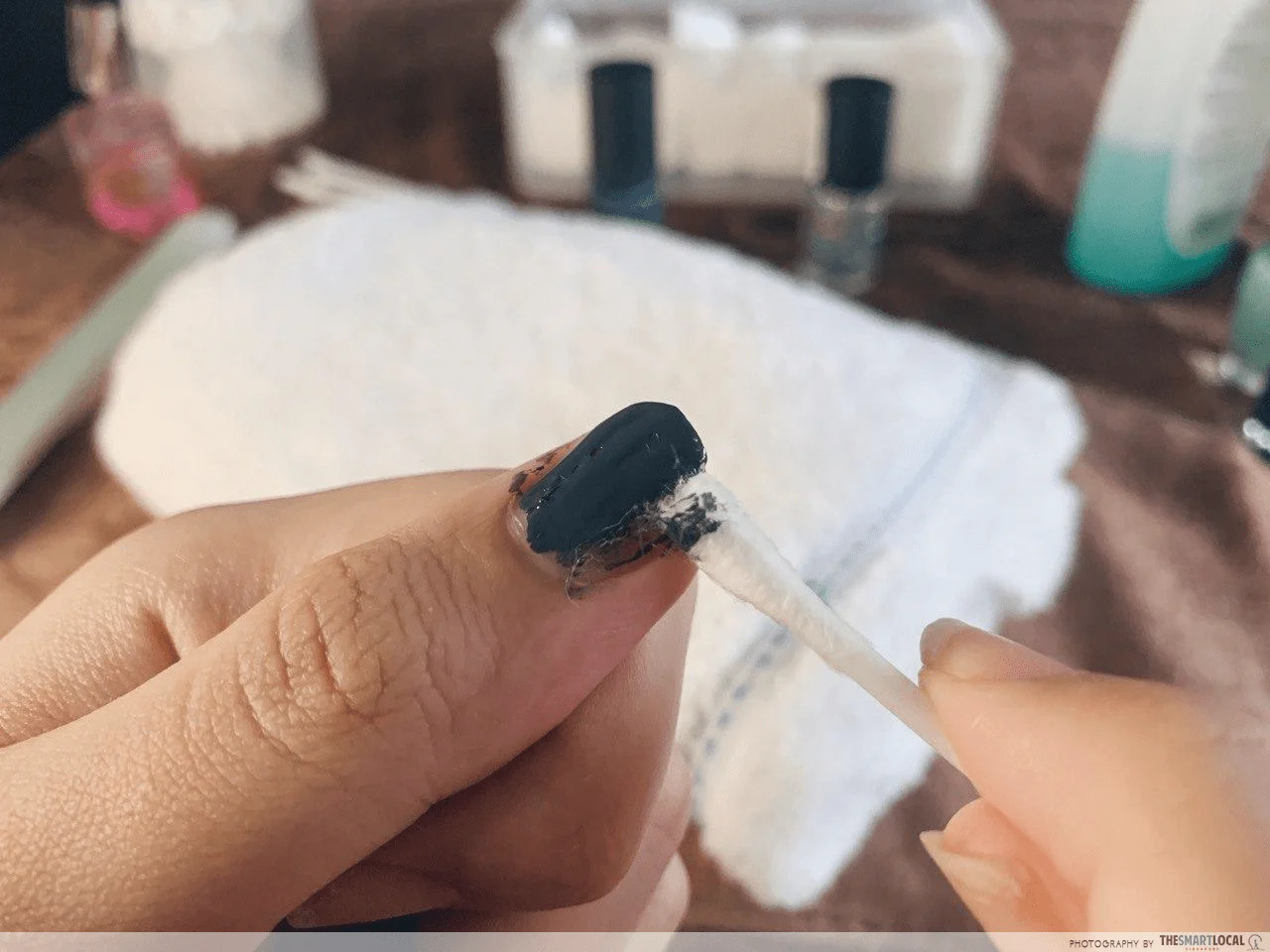
Use a cotton swab dipped in polish remover to wipe up edges. You can use cotton soaked in remover to precisely clean a cuticle stick for added control.
Step 7: Avoid Biting or Picking Nails: Biting one’s nails destroys the nail bed and raises the risk of infection. Keep your nails short and use a clear strengthening polish if you find it hard to break this practice.
Any beginner’s guide on nail care at home should start with these fundamentals.
Step 8: Keep an Eye on Nail Changes : Your nails are like little health check-ins, which may be the least enjoyable but most crucial aspect of our conversation. See a doctor if you observe any strange changes in texture, color, or shape.
A few red flags to be aware of:
- Dark streaks under the nail
- Dents, pits, or grooves
- Nails pulling away from the skin
- Unusual thickening or thinning
- Persistent pain, swelling, or bleeding
These symptoms can be linked to infections, nutrient deficiencies, or other health conditions. Always check in with a medical professional if something doesn’t look or feel right.
Beginner Guide to Nail Care at Home: Daily Habits That Make a Difference:
Over time, little daily routines can change your nails. For healthy nails, try these simple nail care practices.
- Make Your Nails Hydrated: Did you know that dehydration can cause nails to become brittle? Use moisturizing creams on a daily basis and drink lots of water.
- Put on gloves when doing chores: Nails can be weakened by cleaning supplies and prolonged exposure to water. When cleaning or doing dishes, put on rubber gloves.
- Make Use of Gentle Nail Products: Steer clear of strong chemicals that dry your nails and use nail polish removers without acetone.
- Give Your Nails a Rest: Regular use of gel treatments or nail paint can erode nails. Between manicures, let your nails a few days to breathe.
These simple habits are essential in a beginner guide to nail care at home because consistency matters more than complicated treatments.
Building the Habit:
The hardest part of any routine is making it stick. Here are tips for building lasting nail care habits:
- Start Small: Begin with just the daily moisturizing. Add weekly care once that’s automatic.
- Pair with Existing Habits: Apply cuticle oil right after brushing your teeth.
- Keep Products Visible: Store your cuticle oil by your bed and hand cream by the sink.
- Set Reminders: Use app notifications until the habit is established.
- Be Patient: Nails grow slowly. It takes 3-6 months to see the full effects of better care.
- Celebrate Progress: Take before and after photos. Visible improvement is motivating.
Nail Care Routine for Teenagers:
Teenagers often want stylish nails but may not know how to care for them properly. A simple routine can keep nails healthy while allowing room for creativity.
A Simple Teen Nail Routine:
- Clean nails regularly to remove dirt and bacteria.
- Trim nails every 1–2 weeks to prevent breakage.
- Moisturize cuticles daily with a lightweight oil or cream.
- Use gentle nail polish remover instead of peeling polish off.
- Avoid excessive acrylics or gel nails, which can damage developing nails.
Teenagers can also experiment with fun nail colors and designs while maintaining healthy nail habits.
How to Grow Long Nails Naturally for Beginners:
Have you ever wondered, “Why won’t my nails grow long?”
Nail growth depends on care, nutrition, and avoiding damage. Here are natural ways to keep nails strong and help them grow longer.
1.Eat Nail-Friendly Foods:
Nails need nutrients such as:
- Biotin (found in eggs, nuts, and seeds).
- Protein (found in fish, beans, and lean meats).
- Iron and zinc (found in leafy greens and legumes).
- Omega-3 fatty acids (found in walnuts and salmon).
2. Keep Nails Moisturized: Dry nails break easily. Apply cuticle oil or coconut oil daily to keep nails flexible and healthy.
3.File Instead of Clipping Too Often: Frequent clipping can sometimes weaken nails. Use a gentle file to maintain shape while allowing nails to grow.
4. Avoid Using Nails as Tools: Opening cans, scratching surfaces, or peeling stickers with your nails can cause cracks and breaks.
With patience and consistent care, even beginners can grow long, healthy nails naturally.
Best Nail Care Tips for Girls:
Healthy nails should always come first, even though girls frequently like experimenting with manicure polish and designs. Ladies! The best nail care advice is provided here.
- Select High-Quality Nail Products: Harsh chemicals may be present in inexpensive polishes and removers. Long-term nail protection can be achieved by investing in higher-quality products.
- Don’t Forget the Base Coat: A base coat prolongs the life of polish and shields nails from stains.
- Apply Light Polish Layers: Thick coatings are more prone to chipping and take longer to dry. The ideal number of thin layers is two or three.
- Moisturize After Removing Polish: Apply hand lotion or cuticle oil afterward to moisturize your nails because nail paint remover can dry them off.
- Keep Your Diet Balanced: The foundation of healthy nails is the inside. Stronger, more glossy nails are supported by a balanced diet.
These tips are a key part of any beginner guide to nail care at home because they combine beauty with nail health.
Simple Nail Routine for Busy Women:
Think you do not have time for nail care? A quick routine can still make a big difference. Consistency is key. These daily habits take just 2-3 minutes but make a significant difference over time.
5-Minute Morning Routine:
- Apply Hand Cream: After washing your hands in the morning, apply a nourishing hand cream. Focus on massaging it into your nails and cuticles.
- Quick Cuticle Oil: If your cuticles are particularly dry, add a drop of cuticle oil before your hand cream.
- Check Your Nails: Take a quick look at your nails. Notice any chips, breaks, or changes that need attention.
Throughout the Day:
- Protect Your Nails: Wear gloves when doing dishes, cleaning, or gardening
- Don’t Use Nails as Tools: Avoid using nails to open cans, scratch stickers, or pry things open
- Reapply Moisturizer: After washing hands, reapply hand cream when possible
- Stay Hydrated: Drinking water benefits your nails from the inside out.
Evening Routine
- Generous Cuticle Oil: Before bed, apply cuticle oil to all nails and massage it in. Nighttime allows maximum absorption.
- Rich Hand Cream: Use a thicker cream at night. Some people even wear cotton gloves overnight for intensive moisturizing.
- Nail Check: The evening is a good time to notice any issues and plan your weekly care accordingly.
Weekly Maintenance Routine:
- Trim and shape nails.
- Soak hands in warm water for a few minutes.
- Gently push back cuticles.
- Apply a nourishing mask or oil treatment.
This routine is simple, effective, and perfect for women with busy schedules.
How to Get Salon Nails at Home:
Want your nails to look professionally done without spending money at a salon? Follow these steps.
- Prepare Your Nails: Remove old polish, trim nails, and file them into your desired shape.
- Soften Cuticles: Soak your hands in warm water for 5–10 minutes, then gently push back cuticles with a wooden stick.
- Buff the Nail Surface: Lightly buff nails to create a smooth surface for polish application.
- Apply Base Coat, Color, and Top Coat: Use thin, even layers and allow each coat to dry before applying the next. Finish with a glossy top coat for shine and protection.
- Clean Up the Edges: Use a small brush dipped in remover to tidy up any polish around the nails.
With practice, you can achieve salon-quality results at home.
Nail Care Mistakes Beginners Should Avoid:
Even with good intentions, beginners often make mistakes that damage nails. Here are the most common ones to avoid.
1. Cutting Cuticles: Cutting creates a wound that can lead to infection and actually causes cuticles to grow back thicker. Push instead of cut.
2. Peeling Off Polish: Peeling removes layers of your nail along with the polish. Always use proper remover.
3. Filing Wet Nails: Wet nails are soft and prone to tearing. Wait until they’re completely dry before filing.
4. Using Harsh Products: Acetone-based removers, formaldehyde in polishes, and harsh cleaning chemicals all damage nails. Choose gentle alternatives when possible.
5. Skipping Base Coat: Polish without a base coat can stain nails yellow and cause more breakage. Always protect your natural nail first.
6. Over-Buffing: Too much buffing thins the nail plate and weakens nails. Limit buffing to once or twice a month.
7. Ignoring Diet: Nails need nutrients from the inside too. Make sure you’re getting enough protein, biotin, and iron.
Avoiding these habits is an important part of a successful beginner guide to nail care at home.
When to Expect Results:
With consistent care, here’s a general timeline:
- 1-2 Weeks: Cuticles look healthier, less dry and ragged.
- 3-4 Weeks: New nail growth appears stronger and healthier
- 6-8 Weeks: Noticeable improvement in nail strength and flexibility
- 3-6 Months: Complete nail transformation as fully healthy nails grow in
Remember, everyone’s nails are different. Some people see results faster, while others need more time. The key is consistency. Your nails are constantly growing, and every day of good care is progress toward stronger, healthier nails.
1. How frequently should I cut my nails?
Depending on how quickly their nails grow, most people should cut them every one to two weeks.
2. Can I get long nails on my own without taking supplements?
Indeed. Natural nail growth can be facilitated by maintaining a balanced diet, staying hydrated, moisturizing, and preventing nail damage.
3. How should cuticles be moisturized?
Every day, especially after washing your hands or taking off your nail polish, apply cuticle oil or a rich hand lotion.
4. Is it unhealthy to always wear nail polish?
Sometimes using polish all the time can cause nails to dry out. Give your nails a break for a few days between manicures to maintain them healthy.
5. What are the most common nail care errors made by novices?
Ignoring moisturizing, using nails as tools, pulling off polish, over-buffing, and exposing nails to strong chemicals without protection are common problems.
Conclusion:
Maintaining your nails at home doesn’t have to be difficult or time-consuming. This beginner guide to nail care at home demonstrates that basic daily routines, enough hydration, mild products, and regular maintenance are the keys to attractive, healthy nails.
The secret is patience and consistency, whether you’re a busy woman looking for a quick regimen, a teen learning the fundamentals, or someone wishing to grow long nails organically. Steer clear of typical blunders, take care of your nails from the inside out, and relish the self-assurance that comes with having healthy hands.
Keep in mind that taking care of your nails is more than simply how you look; it’s a kind of self-care that makes you feel confident, polished, and renewed every day.