Table of Contents
“How to grow nails after biting them. “Do you frequently gaze at your hands and hope your nails were longer, sturdier, and in better condition? Numerous women face challenges with nail biting, slow nail growth, or fragile nails that break quickly. The positive aspect is that it is feasible to learn how to cultivate nails after biting them by adopting a few easy habits and natural treatments.
In the current beauty and fashion scene, well-maintained nails play a crucial role in one’s personal style. Regardless of your preference for minimalist manicures or fashionable nail art, robust nails provide an ideal foundation for any design. If you’re curious about how to grow nails after biting them, this simple step-by-step guide will assist you in repairing and strengthening your nails—even following years of biting.
What causes individuals to bite their nails?
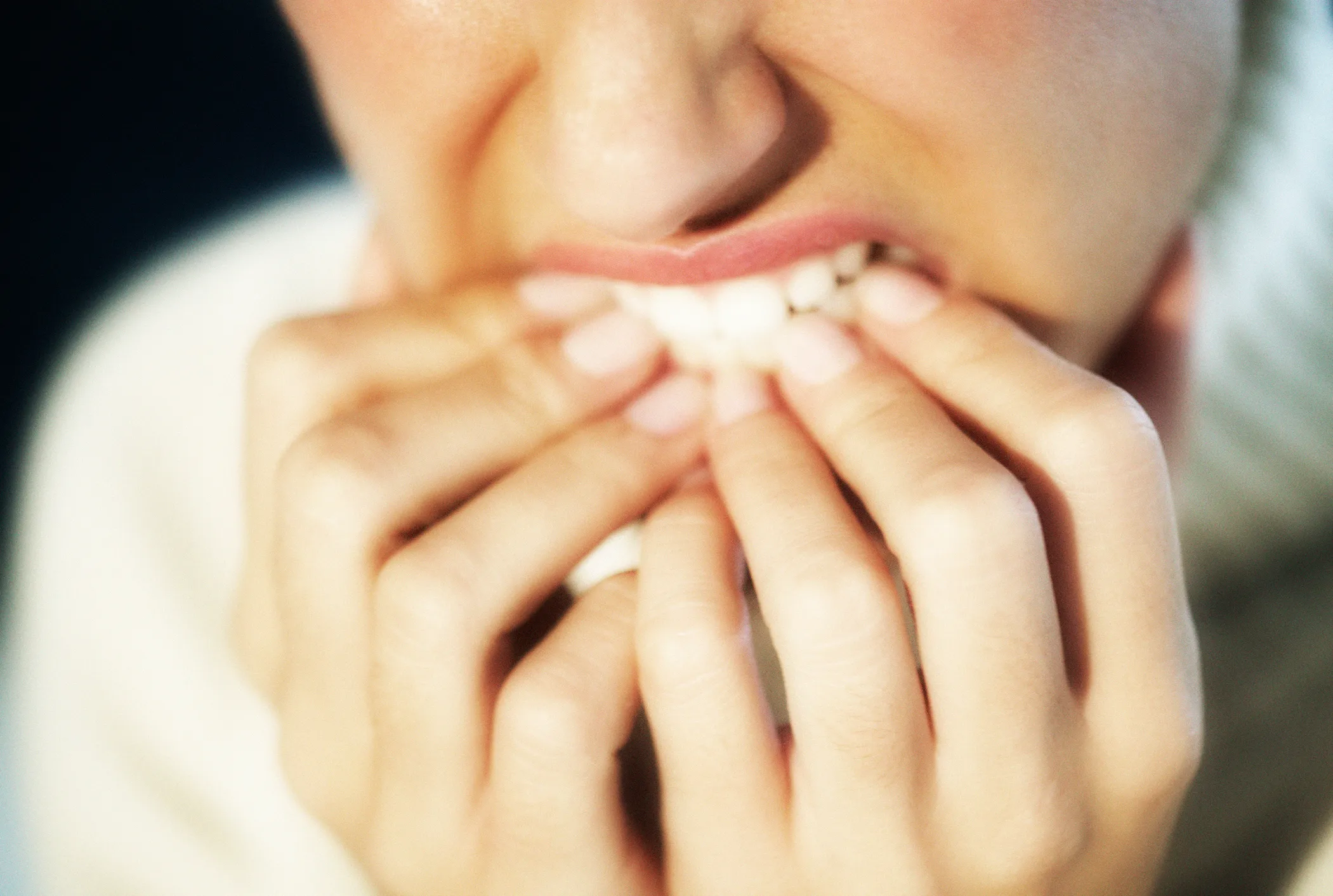
If you consistently bite your nails, you’re not the only one. Nail biting is an involuntary behavior that frequently originates in childhood or is developed in adulthood as a reaction to boredom, anxiety, or the desire for a rapid diversion. Certain individuals also perceive the small flaws on their nails as unnoticeable, fussing with them in an attempt to fix them. However, often it’s an action we perform without even noticing.
Regardless of when it begins, the habit can persist and turn into a default reaction during periods of focus or anxious energy. Recognizing the reasons behind your biting is crucial for breaking the habit, as identifying the triggers allows you to replace this behavior with healthier, nail-friendly options.
Effective methods to cease nail biting
Breaking any habit is challenging, particularly a long-standing one like nail biting, but overcoming it can bring various advantages. We’ve compiled some straightforward tips to assist you in achieving nail-biting cessation.
Recognize your triggers: Pay attention to when the impulse arises – is it during times of stress, boredom, or while viewing television? As soon as you recognize the pattern, you can take action before your hands touch your lips.
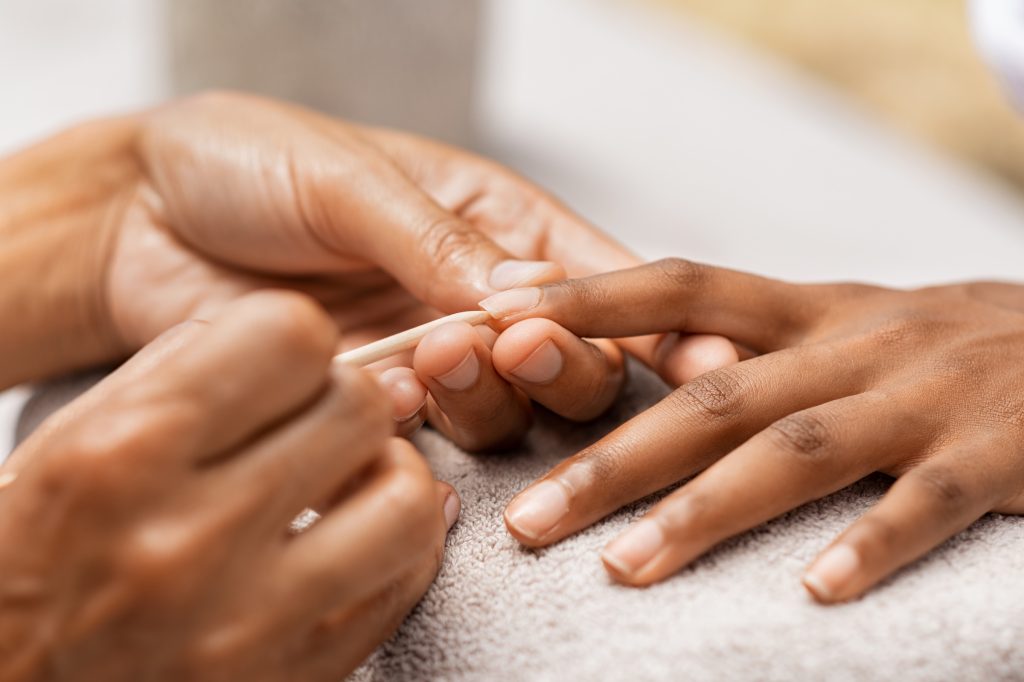
Maintain your hands engaged: Consider replacing nail biting with something less harmful, such as a stress ball, a fidget ring, or use cuticle oil to provide them with some care instead.
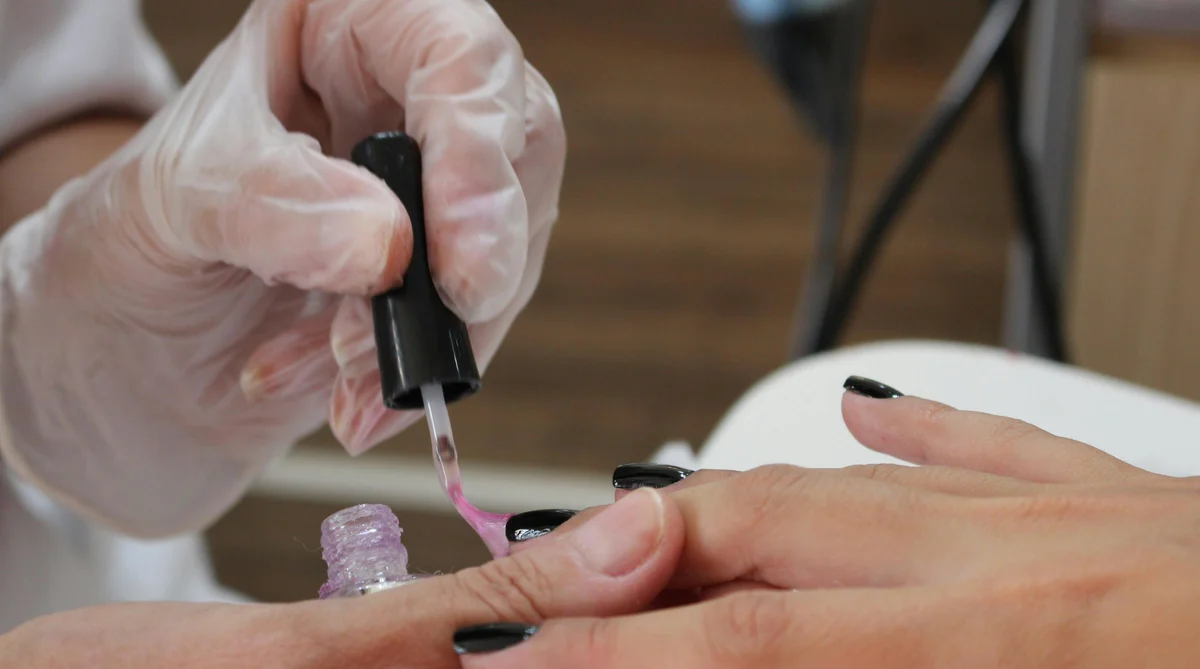
Establish a tangible obstacle: Using a layer of nail polish or a specially designed bitter-tasting product can serve as an effective deterrent, helping to prevent your nails from going into your mouth.
Schedule routine manicures: New polish (especially gel types), neat cuticles, and well-formed nails can enhance your nail appearance, so it’s likely you’ll want to maintain that look – particularly if you’ve spent time and money on them.
Aim to maintain short nails: Maintaining shorter nails might reduce the urge to chew longer ones, so aim to keep them tidy and clipped.
Engage in brief instances of mindfulness: When you sense the desire to bite your nails, stop and inhale – even a brief two-second break can disrupt the habitual action and assist you in developing new habits gradually.
What is nail-biting?
Onychophagia refers to the clinical term for the act of biting nails. The term comes from the Greek “onyx,” which translates to “nail,” and “phage in,” which means “to consume.” This condition impacts roughly one-third of individuals in France, commonly beginning in childhood or teenage years. A study conducted by the American Academy of Dermatology (AAD) reveals that around 30% of kids aged 7 to 10 and 45% of adolescents engage in nail biting. Although this percentage declines as people age, roughly 20% of adults still habitually bite their nails.
Thus, where does this unusual reflex originate? The causes differ, but they are frequently associated with stress, anxiety, or monotony. Confronted with a tense situation, looking for solace, attempting to focus, or merely requiring an escape, our nails frequently suffer the consequences. Regrettably, this practice does have its health-related effects.
Do chewed nails pose a risk?
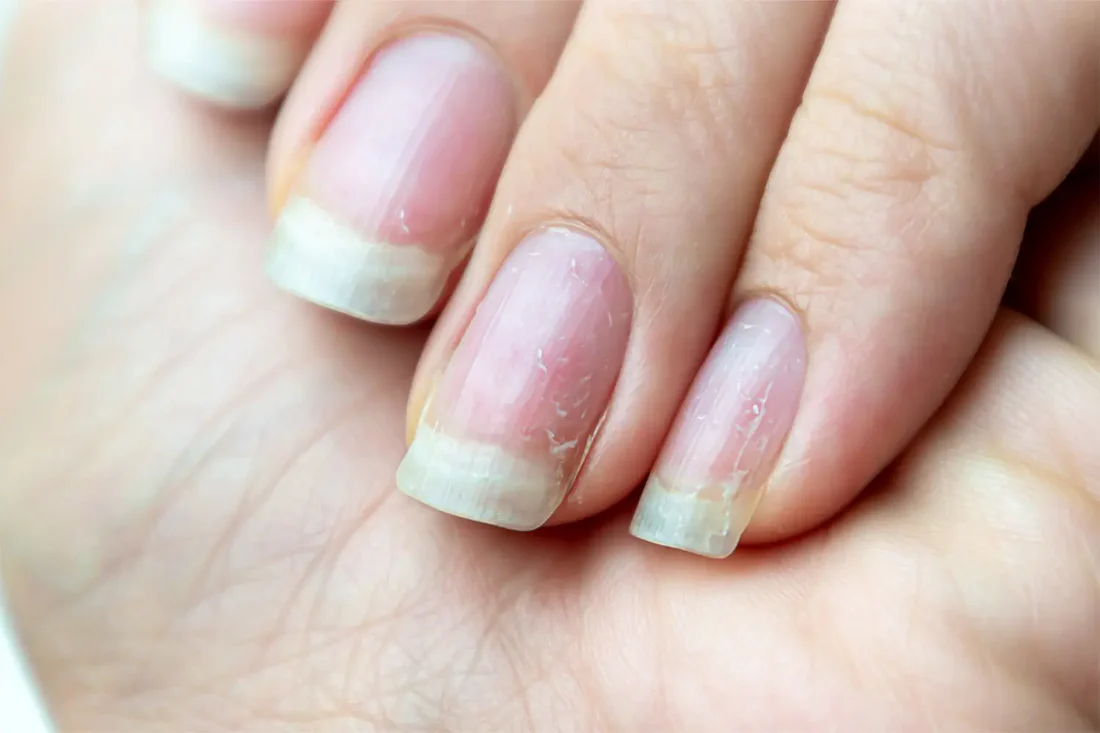
Fragile nails: Frequent nail-biting harms the keratin that makes up the nail plate. Weaker nails are more susceptible to cracking, flaking, and experiencing inconsistencies such as ridges. Harm to the nail plate may also impact the nail matrix, resulting in slower growth or irregular growth patterns. In addition to being unattractive, this can also cause discomfort and interfere with everyday activities.
Minor injuries, increased chance of infection: Nail-biting leaves the skin and cuticles more vulnerable to infections. Microtears compromise the protective barrier around the nail, enabling the invasion of bacteria, viruses, and fungi. If injuries become red, swollen, and painful, they might need treatment with antifungals or antibiotics. Additionally, putting your hands on your mouth raises the likelihood of catching seasonal viruses and other easily transmitted illnesses.
Is it a habit or a syndrome?
The American Psychiatric Association (DSM-5, 2015) classifies onychophagia as a disorder related to obsessive-compulsive behavior. For others, it’s a small habit they hardly observe. For some individuals, it’s a significant obsession, frequently indicating deeper mental health problems necessitating psychological assistance.
How can you conquer onychophagia? Here are several approaches to assist you in achieving harmony with your nails and rejuvenating their health and vitality.
The greatest aspect? Many of these suggestions can be implemented at home using basic ingredients and a bit of regularity.
Why Do People Bite Their Nails?
Have you ever found yourself chewing on your nails when you’re feeling anxious, uninterested, or tense? Nail biting is a frequent behavior that impacts individuals of various ages.
At times, it starts during childhood and persists into adulthood. The habit harms the nail bed and hinders nail growth, which is why many individuals eventually look for methods to grow nails after biting them.
Breaking this pattern is the initial move toward gorgeous and healthy nails.
Ways to prevent nail biting:
“From tomorrow on, I’ll quit!” : “Stop biting your nails!” “Beginning tomorrow, I will stop!” That’s an excellent resolution and indicates you’re already conscious of the issue. Transforming words into actions demands perseverance. No need to be concerned—there are effective methods available for anyone committed to overcoming this behavior.
The strength of unpleasant nail polish:
Bitter nail polish appears as a clear polish but has a potent bitter flavor that prevents you from putting your nails in your mouth. The bad flavor swiftly deters the practice.
Manicurist has created a bitter nail polish that offers both efficacy and protection. Formulated with 68.5% bio-sourced ingredients, it works like any standard polish on clean, dry nails—or even atop green polish or a top coat. Reapply every two days without taking off the earlier layer. Green Flaps gentle remover makes removal easy.
Bitter nail polish raises awareness of the habit and identifies emotional triggers, leading to effective solutions.
Substitute routines: Job pressure, monotony, or desires? Recognize circumstances that provoke nail-biting and plan different responses. Occupy your hands with a stress ball, chew gum without sugar, or practice breathing techniques, meditation, or physical activity to alleviate anxiety and stop the nail-biting habit. Maintain consistency, and you’ll observe noticeable nail growth. Stick with it, you’ve got this.
Seeking help: For those who habitually bite their nails, overcoming the habit can be as difficult as stopping smoking. If you’re having difficulty, don’t hesitate to reach out for help from experts. Behavioral therapy or hypnosis can assist in managing stress and revealing the underlying reasons for anxiety.
Ways to rejuvenate harmed nails:
Restoring your nails to their best doesn’t need to be difficult. By maintaining consistency, care, and the proper routine, you can assist your nails in regaining their strength, smoothness, and shine as they grow. And when they appear to be stronger, you may discover that the urge to bite isn’t as intense.
Here are several ways you can assist them on their path to regrowth.
Alter your approach to filing nails.
File nails in a single direction instead of using a back-and-forth motion. The latter may further weaken them and lead to their splitting.
Moisturize with cuticle oil: Using cuticle oil every day makes a big difference. It moisturizes the nail bed, eases rough skin, and promotes healthier and smoother growth.
Use hand cream during the day: Your nails crave hydration just like your skin does! Make sure to use hand cream after every hand wash and before heading to bed.
Enhance through specific therapies: Seek out nail enhancers, keratin treatments, or base layers that support fragile nails and safeguard them during growth.
Employ milder soaps when cleansing your hands: Search for pH-balanced formulas and use rubber gloves while doing the dishes. You might also consider applying nail polish for extra protection.
Utilize a nail polish remover that is free from acetone: Acetone can be harsh and dehydrating, so consider using a product like the Boots Acetone-Free Polish Remover instead.
Continue the routine: Consistency is essential because healthy nails grow slowly. Your new growth will be significantly stronger, smoother, and less likely to peel with consistent care and a little less biting.
Why My Nails Grow Slowly?
Do your nails appear to grow at a slower rate than others? Numerous elements can influence the growth of nails.
Poor nutrition, dehydration, stress, or insufficient nail care might be the reasons your nails are growing slowly. Regular nail biting, overexposure to strong chemicals, and gel removal can also weaken the nail plate.
Comprehending the cause of slow growth can assist you in discovering how to grow nails after biting them more efficiently.
Nail Growth Routine for Beginners
Are you prepared to begin a nutritious nail care routine? Newcomers’ ought to concentrate on easy everyday routines.
Begin by maintaining your nails clean, hydrated, and well-trimmed. Refrain from biting your nails and opt for a soft nail file instead of ripping them.
A simple routine for growing nails after biting them typically involves:
- Moisturizing each day
- Nail oil massage every week
- Nutritious balance
- Soft nail contouring
Consistency is the key to noticeable nail growth.
How to grow nails after biting them (Step-by-Step)
Curious about where to start? Adhere to these straightforward instructions.
Step 1: Cease Nail Biting: It’s crucial to overcome the habit of nail-biting. You can use bitter-flavored nail polish or occupy your hands with stress balls or fidget devices.
Step 2: Apply Moisturizer Every Day: Brittle nails snap easily. Use hand cream and cuticle oil daily.
Step 3: Correctly File Nails: Always file in a single direction to avoid splitting.
Step 4: Safeguard Your Nails: When using cleaning supplies or doing dishes, put on gloves.
When learning how to grow nails after biting them, you can observe success if you follow these instructions consistently.
How to Grow Nails in 7 Days Naturally
Is it possible for nails to grow in a week? You can see healthier nails within seven days, even though significant development might take some time.
Try this little exercise:
- Every night, massage cuticle oil
- Increase your water intake
- Consume foods high in protein.
- Don’t bite your nails at all.
These easy adjustments can get you started on the path to learning. How to grow nails after chewing them.
Best Oil for Nail Growth Overnight
Did you know that as you sleep, oils can provide your nails with profound nourishment?
The following are a few of the top oils for overnight nail growth:
- Oil from coconuts
- Castor oil
- Olive oil
- Almond oil
- Oil of vitamin E
Before going to bed, massage a tiny bit of oil into your cuticles and nails. This strengthens the nail bed and enhances circulation.
Foods That Help Nails Grow Faster
The health of your nails is greatly influenced by your diet. Are you consuming the proper foods?
Minerals, vitamins, and protein are necessary for healthy nails. Among the foods that promote quicker nail growth are:
- Eggs, which are high in biotin
- Leafy greens and spinach
- Seeds and nuts
- Fish and salmon
- Avocados
The body’s innate capacity to develop stronger nails is supported by eating wholesome meals.
Vitamins That Help Nails Grow Faster
Some vitamins can considerably increase nail growth.
The following vitamins are crucial for healthy nails:
- Vitamin B7, or biotin, strengthens nails
- Vitamin E: promotes blood flow
- Vitamin C aids in the synthesis of collagen
- Iron: keeps nails from breaking
Anyone attempting to learn how to grow nails after biting them would benefit from these nutrients.
Home Remedies for Nail Growth
Searching for natural remedies? Home cures are inexpensive and easy to use.
Among the common treatments are:
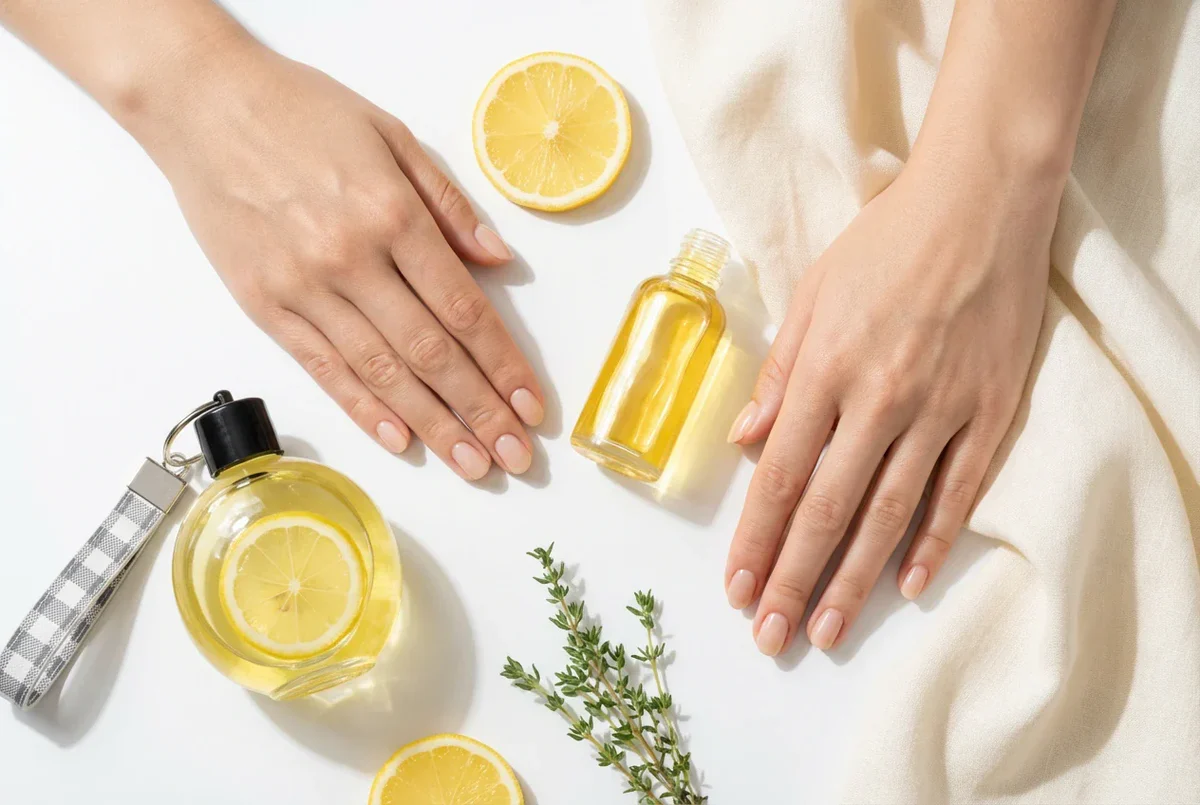
- Olive oil and lemon : Massage your nails with a mixture of heated olive oil and a few drops of lemon juice.
- Treatment with Garlic : Because garlic contains sulfur, it strengthens weak nails.
- Massage with Coconut Oil: Nail flexibility is enhanced by a daily treatment with coconut oil.
How to Strengthen Weak Nails Naturally
Do your nails break before they get too long?
Poor nutrition or dehydration can cause weak nails. Regular care is necessary to strengthen them.
Try these suggestions:
- Use nail oil every day.
- Apply base coatings for strength.
- Steer clear of acetone removers.
- Until your nails are stronger, keep them short.
These practices will promote natural development and increase nail toughness over time.
Beauty and Fashion: Why Healthy Nails Matter
Beauty and Style: The Significance of Healthy Nails
Growth is only one aspect of healthy nails; style is another.
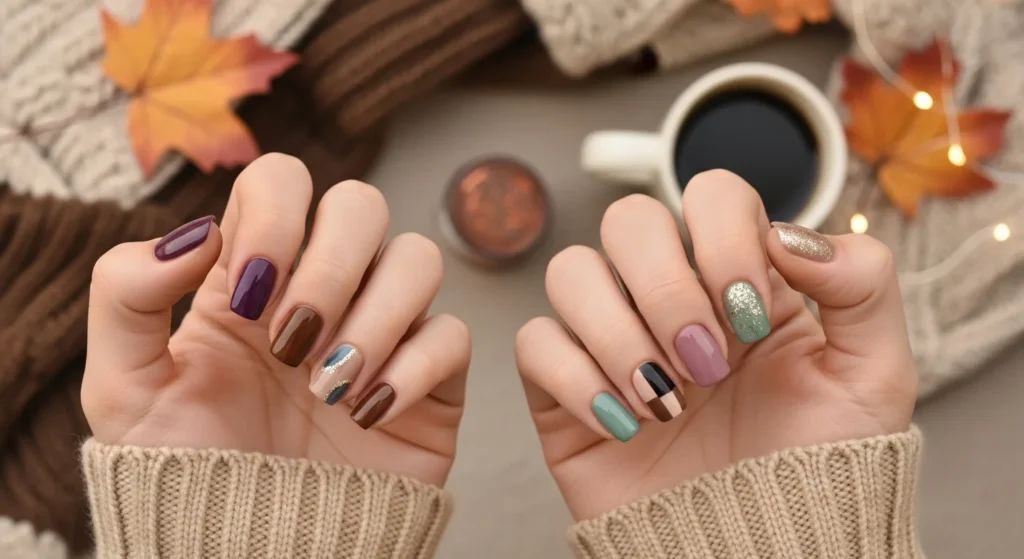
Well-kept nails go well with everything from flamboyant nail art trends to simple manicures in the realm of contemporary beauty.
You can comfortably experiment with nail forms, colors, and designs once you’ve figured out how to grow nails after biting them.
Fashion-forward manicure styles look great on strong, natural nails.
Beneficial Internal Resources:
You might also like to read this for further nail care advice and inspiration
- Ideas for Glitter Nails (Shiny & Glamorous Looks)
- 2026 Trends in Nail Designs (Latest & Viral Ideas)
- Easy Nail Designs for Novices.
Once your nails are stronger, you may style them nicely with the guidance of these guides.
Frequently Asked Questions (FAQs)
1. After biting them, how long does it take for nails to grow?
Depending on care and diet, full healthy growth may take two to three months, although most nails start to show noticeable improvement in two to three weeks.
2. Can I naturally grow nails in seven days?
Even while nails can’t grow very long in a week, applying oils, eating a good diet, and quitting nail biting can enhance your strength and health in just seven days.
3. Which oil is ideal for growing nails?
Among the greatest natural oils for fortifying and nourishing nails are castor, coconut, olive, and vitamin E oils.
4. Why are my nails growing so slowly?
Poor nutrition, dehydration, stress, nail biting, and vitamin shortages can all contribute to it.
5. Do vitamins actually speed up nail growth?
Indeed. Iron, biotin, vitamin E, and vitamin C are among the vitamins that promote healthy nail growth and guard against brittleness.
Conclusion:
how to grow nails after biting them, Ultimately, cultivating healthy nails after biting them may seem difficult initially, yet it becomes possible with patience, persistence, and proper maintenance. By identifying the reasons behind nail biting, substituting the behavior with more beneficial options, and implementing an easy nail care regimen, you can progressively regain strength and promote growth.
Natural remedies, balanced diet, consistent hydration, and careful nail care all combine to enhance nail health gradually. Minor daily actions—such as applying cuticle oil, safeguarding your nails, and consuming nutrient-dense foods—can lead to a significant improvement.
This journey is primarily focused on cultivating self-care habits and boosting confidence, rather than merely achieving longer nails. Through commitment, your nails can grow stronger, smoother, and more attractive, transforming your journey into a fulfilling and uplifting experience.