Table of Contents
Well-nourished nails signify beauty and also indicate your general health. Have you ever examined your nails and questioned why nails become yellow despite your efforts to maintain their cleanliness? Yellow nails can give hands an appearance of being unhealthy, lackluster, and overlooked. However, the positive aspect is that many nail issues can be enhanced naturally at home with appropriate care and focus.
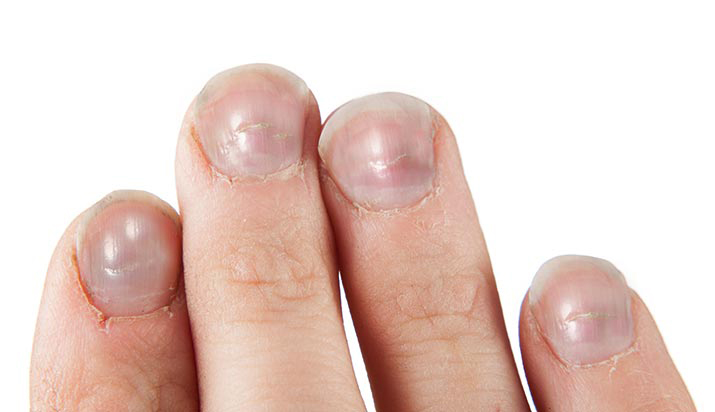
Numerous individuals overlook nail discoloration until it turns severe. At times, yellow nails are benign, but in other cases, they may indicate fungal infections, vitamin shortages, overuse of nail polish, or inadequate hygiene. In addition to yellowing, individuals also experience brittle nails, peeling nails, cracked nails, ridges, and splits in the center.
This article will discuss the reasons behind yellow nails, why nails tend to break easily, ways to quickly fix damaged nails, and the most effective remedies for brittle nails in an easy-to-understand manner. The advice is practical, straightforward, and simple to implement at home.
What is yellow nail syndrome?
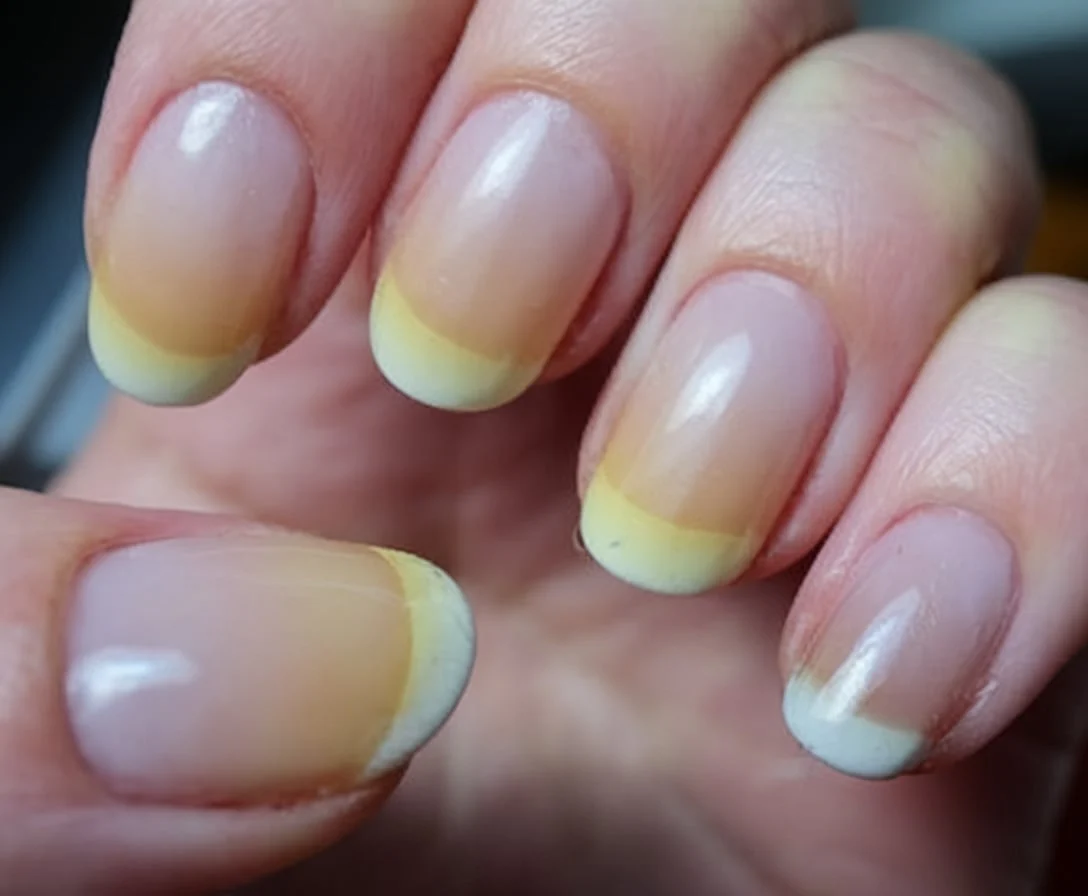
Yellow nail syndrome is an uncommon disorder that impacts your nails, lungs, and extremities. Individuals with yellow nail syndrome develop yellow, curved nails that might thicken or detach.
They might also experience respiratory issues, like a persistent cough, and typically have swollen ankles or lower legs.
Specialists are uncertain about the origins of yellow nail syndrome. However, it could be associated with poor circulation, problems with lymphatic drainage, or fluid accumulation around your lungs. Having certain specific chronic illnesses, dental implants, or a joint replacement may also increase your risk.
Who might get yellow nail syndrome?
Adults over 50 are more likely to acquire yellow nail syndrome. Yellow nail condition is less common in children.
According to several accounts, yellow nail syndrome is more common in those who have:
- Autoimmune diseases.
- Cancer.
- Nephrotic syndrome
- Rheumatoid arthritis (RA).
- Thyroid disease.
What are the Symptoms of Yellow Nail Syndrome?
Yellow nail syndrome exhibits three primary categories of symptoms:
- • Nail alterations: Your nails might grow more slowly or cease to grow. They often thicken, turn yellow or green, and may separate from your nail bed and come off. Nail alterations can impact one or all of the nails.
- Swelling: Approximately 80% of individuals with yellow nail syndrome experience fluid accumulation and swelling (lymphedema). Typically, your legs become swollen a few months following nail alterations.
- Respiratory symptoms: Nearly 40% of individuals with yellow nail syndrome experience fluid accumulation in lung tissue (pleural effusions). You might also experience a persistent cough, recurrent sinus infections (sinusitis), or pneumonia.
Yellow nail syndrome encompasses more than just nails that are discolored or stained. Numerous individuals have yellow nails without exhibiting yellow nail syndrome. For instance, you might experience yellowish nails temporarily after taking off dark nail polish. However, if the discoloration persists for several weeks, or if you experience additional symptoms, consult your healthcare provider.
Potential Reasons for Yellow Nails
- Potential reasons for yellow nails:
The initial inquiry many individuals pose is: why do nails turn yellow unexpectedly?
Several typical reasons contribute to yellow nails. Identifying the underlying issue is the initial step to achieving healthy nails once more.
In this section, we will explore the reasons behind “why nails turn yellow” and if it can be avoided.
- The application of enamels containing toxins:
Do you often use dark nail polish? Deep shades such as red, black, and blue frequently leave marks on the nail surface. When nails lack sufficient time to breathe, yellow staining can develop.
Utilizing inexpensive nail products may exacerbate the issue. Removers containing acetone can lead to nail dryness and gradual weakening.
A potential solution could be to pause manicures (or have intervals between them) so that nails can gradually return to their natural color. It’s crucial to select items that lack this ingredient (and reduce the number of harmful ones as much as possible). Select nail polishes that are a minimum of 7-free, and consistently apply a protective base coat before using the polish. This will also extend the longevity of the polish; it won’t soak into the nail surface.
- Lack of B vitamins:
A deficiency in vitamin A may manifest as yellow nails, but it can become more evident when there is insufficient biotin (B7). If this is the issue, it can be addressed by consuming biotin supplements, but the reason for vitamin deficiency stems from a diet lacking in nutrition, particularly one with limited vegetables.
- Misuse of vitamin A or Retinol supplements
Excessive consumption of vitamin A or retinol supplements may also lead to yellow nails. Why? Vitamin A exists as carotenoid pigment, a coloring found in orange fruits and vegetables (carrots, pumpkin, oranges, etc.). NEVERTHELESS, a lack of this vitamin A can likewise result in yellow nails.
- Surplus of foods containing beta-carotene
Can your nutrition influence your nails? Certainly. Deficiencies in vitamins like biotin, iron, zinc, and vitamin E can result in yellow, fragile, and weak nails.
An inadequate diet can cause nails to lose their inherent luster and durability.
As stated in the earlier point, orange fruits and vegetables are rich in beta-carotene, a provitamin A that aids in tanning, but in large amounts can lead to a yellowish-orange tint in both skin and nails.
- Smoking:
Yellow nails are among the various consequences of nicotine. Over time, cigarette smoke seeps into the nails, causing them to turn yellowish. There are home treatments to attempt to lighten them, but the best solution (for this and your wellbeing) is to stop smoking. Nicotine discolors not just teeth but also fingernails. Smokers frequently observe yellow or brownish nails as tobacco substances accumulate on the nail surface over time.
- Infections caused by fungi:
A primary factor for nails turning yellow is a fungal infection. Fungi thrive readily in humid and warm environments. Thick, crumbly nails that emit an unpleasant odor and turn yellow may indicate a fungal infection.
Individuals who wear snug footwear for extended periods or often have damp hands are at a higher risk of developing nail fungus.
Onychomycosis, a fungal infection of the nails, is marked by thickened nail beds and a yellowish discoloration. These fungi are recognized for infecting the keratin in nails, particularly the toenails. If this is true for you, visit a dermatologist.
- Swollen liver
This would certainly be the most significant reason. If you see your nails abruptly changing to a bright yellow, it may signal a liver issue, like a hepatitis infection (inflammation of the liver). If this also impacts the sclera of your eyes, consult a specialist.
We trust this has assisted you in addressing your issues or pinpointing what is leading to this problem! However, if unsure, always seek advice from a doctor.
The yellowing of nails can sometimes be linked to health problems beneath the surface, including diabetes, thyroid disorders, psoriasis, or respiratory issues. Should the yellowing continue for an extended period despite at-home treatments, seeking medical guidance might be required.
Why Do My Nails Break Easily?
Do your nails snap while doing simple tasks? Weak and brittle nails are extremely common, especially among women.
- Frequent Water Exposure: Frequent exposure to water temporarily softens nails, but eventually, it strips away their natural oils. Cleaning dishes without gloves or regular handwashing can severely damage nails.
- Absence of Humidity: Brittle nails become weak and split easily. Chilly temperatures, strong soaps, and hand sanitizers lead to dry nails.
- Nutrient Shortage: Brittle nails can suggest a lack of protein, iron, or calcium in the diet. As nails consist of keratin protein, inadequate nutrition directly impacts their strength.
How to get rid of yellow nails
The approach to treating yellow nails will vary based on the underlying reason. Your nails have probably turned discolored due to an infection you have or a product you’ve applied. These natural treatments are derived from those reasons for discoloration.
It is crucial to recognize that home remedies may not always work. Consult a doctor if home treatments aren’t effective in reducing discoloration.
- Tea tree oil: If your nails have changed color due to a bacterial infection or fungus, tea tree oil is a simple remedy you can use. Combine a drop or two of tea tree oil with a carrier oil like olive oil, coconut oil, or jojoba oil, and apply the blend to the affected nail. Research has indicated that tea tree oil can successfully prevent the growth of common varieties of nail fungus.
- Baking soda: Fungi can thrive only in an environment with an acidic pH level. Soaking your feet or toes in warm water combined with baking soda might stop the fungus from expanding. Baking soda develops an alkaline setting and, after several soaks, could result in your nails being significantly clearer.
- Oil of oregano: Oregano oil has been discovered to possess antimicrobial qualities. It works well against fungi and bacteria, making it an excellent remedy if you’re uncertain about the cause of your yellow nails. In the same way that tea tree oil is utilized for treatments, oregano oil must be combined with a carrier oil prior to applying it topically to the affected nail or nails.
- Hydrogen peroxide: Hydrogen peroxide is proven Trusted Source to effectively whiten teeth when mixed with baking soda, and it’s frequently found in whitening toothpaste. Hydrogen peroxide possesses “oxidizing” properties, allowing it to act as a stain remover. This indicates that it is an excellent remedy for nails discolored by product application. The pigment from dark nail polish can penetrate the nail enamel, resulting in lasting discoloration. Hydrogen peroxide penetrates the nail and whitens its pigmentation, much like how bleach removes color from hair. Combining hydrogen peroxide with warm water and soaking the nails could enhance the look of stains, and incorporating baking soda will increase its effectiveness.
- Vitamin E: Vitamin E is recognized for assisting cells in maintaining moisture and enhancing their appearance. When you have sufficient vitamin E, your skin, hair, and nails exhibit a vibrant look. Clinical studies have also examined vitamin E as an effective remedy for yellow nail syndrome.
Yellow nail syndrome is just as it sounds — a condition that leads to nails becoming discolored, ridged, and thickened. As vitamin E promotes healthy nail growth, it can be used topically or ingested to aid in the rapid growth of your nails.
Medications Prescribed by Doctors
If a yeast or bacteria is responsible for your yellow nails, consider using some of the treatments mentioned above to address it. If yellowing results from fungus, oral medications like terbinafine (Lamisil) or itraconazole (Sporanox) may be helpful.
The FDA has labeled both of these medications as potentially harmful to the liver with long-term use. They exhibit certain typical side effects, including diarrhea and stomach pain. You might consider asking for ciclopirox (Penlac Nail Lacquer) as an alternative prescription option. Ciclopirox is used on the nail similarly to how nail polish is applied.
Each of these medications requires weeks to months to show effectiveness. Healthy nail development will slowly change the yellowish look of your nails. Keep in mind that neither oral nor topical antifungals guarantee complete effectiveness, and it’s common for nail fungus to recur.
Reasons for Weak Nails in Women
Women often encounter nail damage more regularly due to household tasks, beauty products, and hormonal changes.
- Domestic Cleaning Products: Cleaning products have potent chemicals that can dry out and harm nails. Detergents strip away protective oils from the nail surface.
- Gels and Acrylics for Nails: Aesthetic as artificial nails may be, their ongoing application considerably compromises the strength of natural nails. The aggressive filing method also reduces the thickness of the nail surface.
- Iron Deficiency: Another significant factor contributing to weak nails in women is iron deficiency anemia. Fingernails can turn light in color, fragile, or curved like a spoon.
- Pressure and Inadequate Rest: Does stress impact nails? Certainly. Yes. Stress hampers the body’s capacity to effectively heal tissues, including nails.
Why Nails Split in the Middle
Have you seen a vertical line extending through the center of the nail?
This issue frequently arises due to:
- Nail injury
- Aridity
- Getting older
- Lack of essential nutrients
- Continuous force on fingernails
Ignoring middle splitting typically exacerbates the issue. Frequent nail picking or biting can also cause the problem.
A concealed factor contributing to nails turning yellow and splitting at the same time is a fungal infection coupled with dehydration.
How to Fix Peeling Nails at Home
Peeling nails can be irritating as the layers of the nail start to come apart.
- Maintain Nail Moisture: Use coconut oil, olive oil, or almond oil every day. Natural oils replenish hydration and enhance suppleness.
- Limit Unnecessary Filing:Excessive filing compromises the edges of the nails. Always file softly in a single direction.
- Put on Gloves: Shield nails during dishwashing or cleaning tasks. Gloves shield against water harm and chemical contact.
- Utilize a Nail Fortifier: Select gentle nail hardeners that do not contain harmful formaldehyde components.
How to Repair Damaged Nails Fast
Injured nails require time and dedication. While immediate repair cannot be achieved, appropriate care accelerates healing.
- Regularly Cut Nails: Short nails are less prone to breaking. Trimming stops additional cracking and splitting.
- Boost Protein Consumption: Protein-rich foods aid in the natural rebuilding of nails. Nuts, beans, yogurt, fish, and eggs promote nail growth.
- Massage Cuticle Serum: Applying oil to cuticles enhances blood flow and promotes healthy nail development.
- Take Biotin Supplements: Biotin may strengthen weak nails over time. However, consult a healthcare professional before starting supplements.
How to Treat Dry Nails Naturally
- Olive Oil Immersion: Warm olive oil deeply nourishes brittle nails. Immerse nails for 10 minutes multiple times each week.
- Aloe Vera Gel: Aloe vera naturally moisturizes and restores injured nail surfaces.
- Increase Your Water Intake: Nails are also impacted by dehydration. Consuming adequate water promotes healthy nail growth from the inside.
- Steer Clear of Strong Nail Products: Numerous nail removers include chemicals that aggravate dryness and partly account for why nails turn yellow with prolonged use.
How to Fix Ridges in Nails
Ridges are lines that show up vertically or horizontally on nails.
- Vertical Striations: These typically happen naturally with age and are generally benign.
- Horizontal Stripes: Horizontal ridges can signal illness, stress, or lack of nutrients.
- Polish Softly: A gentle nail buffer can even out slight ridges, but refrain from over-buffing as it can weaken nails.
- Enhance Nutrition: Nutrient-dense foods loaded with vitamins gradually enhance nail texture.
How to Heal Cracked Nails
Fragile nails are weak, dry, and susceptible to splitting or flaking. Numerous individuals are curious about the most effective remedy for brittle nails, yet the solution frequently relies on the root cause. Elements like inadequate nutrition, lack of hydration, aging, overuse of nail products, and regular contact with chemicals can all lead to nail fragility.
A nutritious and balanced diet significantly contributes to enhancing nail health. Nails require vital nutrients like protein, iron, zinc, vitamin E, and omega-3 fatty acids to stay robust and in good condition. As nails consist mainly of keratin, a protein, inadequate nutrition can result in weak and brittle nails.
Daily hydration is another straightforward but very effective remedy for fragile nails. Regular use of hand creams, natural oils, or cuticle creams prevents dryness and maintains nail flexibility. Moisturized nails are less prone to breaking or peeling.
Minimizing contact with harsh chemicals holds equal significance. Regularly using acetone-containing nail polish removers, detergents, and cleaning agents can deplete nails of their natural oils and weaken them gradually. Using protective gloves during cleaning can significantly lessen this harm.
Allowing nails periodic breaks from nail polish and artificial nail products helps them heal naturally. Frequent use of gel or acrylic nails can weaken the nail surface and lead to increased brittleness.
If brittle or yellow nails persist for several months even with appropriate care, it might be prudent to consult a doctor. Ongoing nail issues may occasionally suggest underlying health concerns or vitamin shortages that need professional evaluation. By adopting healthy habits and providing regular care, brittle nails can slowly transform to become smoother, stronger, and healthier.
Best Treatment for Brittle Nails
Split nails are a frequent issue that can render hands looking unwell and may also lead to pain during everyday tasks. Nails typically split due to dryness, prolonged contact with water, strong chemicals, biting, or lack of essential nutrients. If overlooked, minor cracks may deepen and become more painful as time passes. The positive aspect is that with the right care and focus, damaged nails can slowly mend and regain their strength.
A rapid temporary fix is applying nail repair glue to keep the damaged area intact until the nail grows out naturally. This aids in avoiding further splitting and safeguards the nail from extra harm. Nonetheless, this ought to be viewed as a temporary fix instead of a lasting remedy.
Moisturizing nails is crucial for the healing of cracked nails. Brittle nails fracture more readily, so consistently using thick creams, petroleum jelly, coconut oil, or cuticle oils can replenish moisture and enhance nail flexibility. Overnight hydration treatments typically perform particularly effectively as they enable more profound moisture absorption during sleep.
Steering clear of habits like biting nails or picking at them is equally important. These behaviors weaken the edges of the nails and elevate the likelihood of cracks worsening. Furthermore, nails need to be safeguarded against avoidable injury. Even minor impacts, pressure, or utilizing nails as tools can exacerbate the injury and hinder the healing process.
Donning gloves during cleaning or dishwashing can safeguard delicate nails from water and strong chemicals. Through patience, moisture, and tender care, damaged nails can gradually restore their strength and healthy look.
Frequently Asked Questions
Why nails become yellow even without nail polish?
Yellow nails may develop because of fungal infections, smoking, poor nutrition, aging, or certain medical conditions even if nail polish is not used
How can I whiten yellow nails naturally?
You can soak nails in lemon juice, baking soda, or diluted hydrogen peroxide occasionally. Moisturizing afterward is important to prevent dryness.
Why do my nails break so easily?
Frequent water exposure, nutritional deficiencies, dryness, and harsh chemicals are common reasons nails become weak and brittle.
How long does it take to repair damaged nails?
Nails grow slowly, so noticeable improvement may take several weeks to months depending on the level of damage.
Can vitamin deficiency cause weak nails?
Yes. Deficiencies in iron, biotin, zinc, and protein commonly contribute to weak, peeling, or cracked nails
Conclusion
Understanding why nails become yellow is important because nails often reveal valuable information about health and lifestyle. Yellow nails may result from fungal infections, nail polish stains, smoking, poor nutrition, dryness, or underlying medical conditions. Similarly, brittle, peeling, cracked, and splitting nails usually develop due to dehydration, chemical exposure, nutritional deficiencies, or improper nail care.
The good news is that many nail problems can improve naturally at home with simple habits like moisturizing, eating healthy foods, protecting nails from chemicals, and allowing nails to breathe between cosmetic treatments.
Healthy nails do not appear overnight, but small daily efforts can make a huge difference. When you care for your nails consistently, they become stronger, smoother, healthier, and naturally beautiful.