Table of Contents
Are your acrylic nails beginning to lift, grow out, or feel uneasy? Do you wish to know How to remove Acrylic Nails Safely? Although it might appear to be the quickest fix, improperly taking off acrylic nails can lead to serious harm to your natural nails. Knowing how to safely take off acrylic nails is crucial for maintaining your nails’ health, strength, and beauty.
The positive aspect is that you don’t necessarily require a salon visit. Using the correct tools, patience, and method, you can discover how to safely take off acrylic nails at home without inflicting damage on your natural nails.
This guide outlines the safest techniques for removal, aftercare advice, and frequent errors to avoid while also addressing related nail care subjects that every novice should understand.
Understanding Acrylic Nails
To begin with, let’s discuss what acrylic nails entail. Acrylics are akin to high heels for your hands; they provide length, durability, and a touch of flair, turning your nails into a platform for beautiful artistry. However, similar to heels, there arrives a moment when they must be removed. Perhaps you’re seeking a more natural appearance, or maybe it’s time for an update.
Regardless of the cause, it’s essential to eliminate them safely to maintain the well-being and health of your natural nails.
Why Is It Crucial to Understand the Safe Removal of Acrylic Nails?
Have you ever observed your nails becoming delicate or sensitive following the removal of acrylics?
This frequently occurs when individuals peel, tug, or remove acrylic nails before the appropriate time. Acrylic enhancements adhere firmly to the natural nail, and incorrect removal can damage layers of the nail plate.
Learning how to remove acrylic nails safely helps prevent breakage, thinning, peeling, and long-term nail damage.
Signs That Your Acrylic Nails Need Removal
When is it time to take off your acrylic nails? Excessive nail growth, edge lifting, cracks in the acrylic, or pain during everyday tasks may be noticeable. Keeping damaged acrylics on for an extended period can raise the risk of moisture accumulation and nail issues.
When these indications show up, it typically signals the start of the removal procedure.
Securely Proceed Gradually
There are several safe methods to remove acrylic nails at home, including some that don’t need acetone. If the idea of tapping into your inner nail artist feels daunting, don’t worry: Discovering how to safely remove acrylic nails is much simpler than you may believe.
Whether you prefer a traditional French manicure or you’re opting for vibrant neon nails, the removal options listed below should suit your needs.
Step 1: Collect Your Materials: Collect all necessary items before beginning, such as a nail clipper, nail file, acetone, cotton balls or pads, aluminum foil, a wooden cuticle stick, cuticle oil, and hand cream. Having all materials prepared facilitates a smoother and more pleasant experience.
The Importance of Being Prepared: Hurrying through acrylic removal frequently results in errors. Adequate preparation contributes to a safer and more successful outcome.
Step 2: Cut the Acrylic Nails: Extended acrylic nails require more time to soak and take off. Trim the acrylics as closely as you can without hurting your natural nails. This minimizes the quantity of product that requires dissolution.
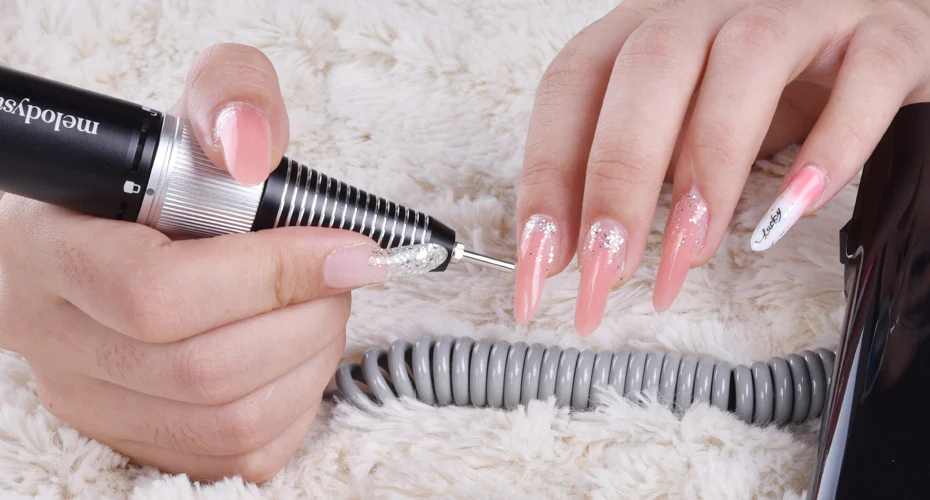
Step 3: Store the Upper Layer: Gently use a nail file to take off the glossy top layer from the acrylic surface. This stage enables the acetone to infiltrate more efficiently and accelerates the elimination process. Refrain from filing too hard, as this could harm the natural nail beneath.
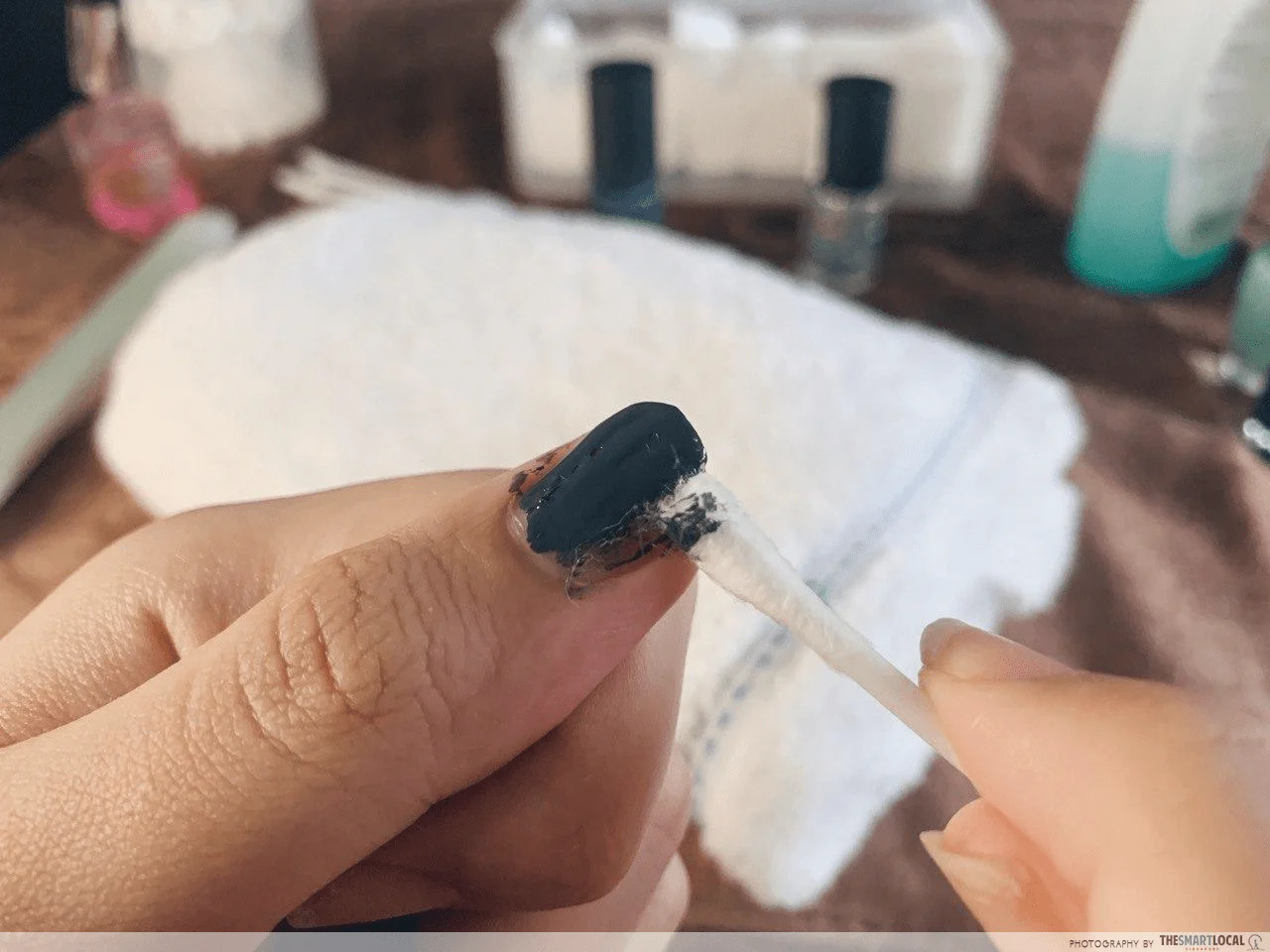
Step 4: Immerse the Nails in Acetone: Immerse cotton pads in acetone and apply them directly on each nail. Cover each fingertip with aluminum foil to secure the cotton. Soak the nails for around 20 to 30 minutes. This is among the most efficient techniques for safely taking off acrylic nails at home.
Step 5: Carefully Take Off the Softened Acrylic: Once soaked, remove the wrap from one nail at a time and carefully push the softened acrylic off with a wooden cuticle stick. If the acrylic isn’t coming off easily, avoid forcing it. Resecure the nail and immerse for a few additional minutes. Patience is essential for mastering the safe removal of acrylic nails.
Step 6: Polish and Hydrate: After all the acrylic is taken off, gently buff the nail surface to even out any rough spots. Conclude by using cuticle oil and hand cream to replenish lost hydration. After exposure to acetone, your nails could feel dehydrated, making hydration particularly essential.
How to Remove Acrylic Nails Safely Naturally
If you dislike using acetone for nail removal, we have a DIY guide for you to keep close. This method for removing acrylic nails is quick without acetone and requires just a bit more time to finish.
Ways to remove acrylic nails without using acetone
Step 1 Clip: Once more, start by trimming your acrylics to the shortest length possible.
Step 2 Tweeze: With a pair of tweezers or a cuticle stick, carefully lift and pry the edges of your acrylics. The important word here is softly. Attempt to push it, and you’ll face a lot of discomfort—along with a high likelihood of nail harm.
Step 3 Immerse: Then, pour acetone-free nail polish remover into a bowl, ensuring it’s deep enough to fully immerse your fingertips. Allow your nails to soak for 30 to 40 minutes or until the acrylics start to visibly loosen.
Step 4 Remove or Peel the skin: When the acrylics start to loosen, carefully use your tweezers to lift them off your nailbeds. If you need to apply more pressure, soak your fingers in the polish remover a little longer.
How To Remove Acrylic Nails Swiftly
If you lack the time to soak your nails, you can utilize floss—either waxed or unwaxed—to remove acrylic nails as they grow out. Although this technique will remove acrylic nails quickly, it may cause nail damage if done prematurely. Ensure those acrylics are truly holding on by a thread (see what I mean?) before attempting this.
Methods for quickly removing acrylic nails without soaking them first.
Make sure your nails are prepared for removal—they should be clearly loose and grown out for this technique to be effective. If they are, collect your equipment and begin the task.
What you will require:
- Cuticle pusher
- Flossing sticks
What is the most secure method to take off acrylics?
Although there are various methods to eliminate acrylics, the fastest and most efficient option is to go to a salon and let a professional handle it for you. You’re more likely to avoid unwanted harm when consulting an expert—mainly because they possess more effective formulas and equipment than what you have at home.
If you can’t visit a salon, your next best choice is to use an acetone soak at home. Proceed at a leisurely pace, act with care, and maintain patience: In the end, the more slowly you work, the lower the chances of injuring your nails or cuticles.
Ways to Nurture Your Nails After Removing Acrylics at Home
Caring for your natural nails is always essential, but it becomes especially critical after removing your acrylics. Adhere to these suggestions to guarantee your nails remain robust and visually appealing.
Step 1: Smooth your nails: Once you take off your acrylics, you might have some leftover residue from the bonder. Utilize a glass nail file to smooth the surfaces of your nails and eliminate that buildup. This will maintain your nails smooth and devoid of any rough texture that can catch on clothing, skin, and other fragile items.
Step 2: Care for your nail beds: After acrylic removal, your cuticles might require some extra care. Use cuticle oil along the edges of your nail to assist in softening and nourishing them (as well as your entire nail bed).
Step 3: Moisturize your hands: At last, give your hands some care by applying a moisturizing hand cream.
What To Use on Your Nails After Acrylic Removal
Regardless of whether you’re dedicated to home removal or only try the DIY method in an emergency, it’s crucial to focus on your hands and nails. Discover how to maintain your nails to ensure they remain strong and feel healthy each day.
- Cuticle oil: Cuticle Oil is a crucial element of nail care (especially aftercare) and should be applied before, during, and after a manicure to maintain softness and hydration in your cuticles and nail beds. Think about placing a bottle in your nightstand and incorporating cuticle oiling into your evening routine before sleep.
- Cream for hands: Regardless of how carefully you take off your acrylic nails, the procedure may result in your hands and cuticles feeling dehydrated. To prevent dryness, apply a hydrating cream or lotion to your hands at least once daily (though doing it more frequently can be beneficial).
- SPF: You probably realize that you need to use SPF on your face and neck, but don’t forget about your hands. Although acrylic nails don’t need a UV lamp like gels for curing, it’s still essential to shield your hands from harmful rays.
Why Professional Removal Is the Only Safe Option
For safe acrylic nail removal, our key recommendation is: avoid doing this at home. Taking off acrylics is a careful task that needs the appropriate tools, items, and knowledge. A qualified and skilled nail technician will:
- Utilize 100% pure acetone to break down the acrylic polymer while keeping the nail plate intact.
- Carefully file down the softened product, being mindful to cease before hitting your natural nail.
- Moisturize and prepare your nails and cuticles right after the treatment.
Removing nails by oneself often results in forceful prying or harsh filing, potentially damaging layers of the nail plate. This leads to extreme dryness, fragility, and lasting harm that may take months to recover from.
When to Pursue Expert Assistance:
If you ever feel uncertain or if your nails object excessively, it could be prudent to see a professional. There’s no embarrassment here; the aim is to have healthy, joyful nails.
How to Remove Gel Nails at Home Safely:
Numerous individuals use both acrylic and gel nail products. To safely take off gel nails, carefully file the glossy top layer and put acetone-drenched cotton pads on the nails. Cover each fingertip with aluminum foil and let it sit for approximately 10 to 15 minutes.
After it has softened, carefully take out the gel with a wooden cuticle stick. Do not remove gel polish from your nails by peeling it off.
How to Remove Nail Polish Without Remover:
Have you ever found yourself without nail polish remover? Applying a new coat of nail polish and then removing it right away can assist in loosening old polish. Isopropyl alcohol, antibacterial gel, or a blend of lemon juice and vinegar could be effective in urgent cases.
While not as fast as conventional removers, these options can be beneficial when required.
How to Remove Glitter Nail Polish Easily:
Glitter polish typically necessitates additional patience since glitter particles adhere closely to the nail. A useful technique is to saturate a cotton pad with remover, hold it on the nail for a few minutes, and softly wipe off the dissolved polish. This reduces scrubbing and safeguards the nail surface.
Best Way to Apply Nail Polish at Home:
Do you want your next manicure to appear polished?
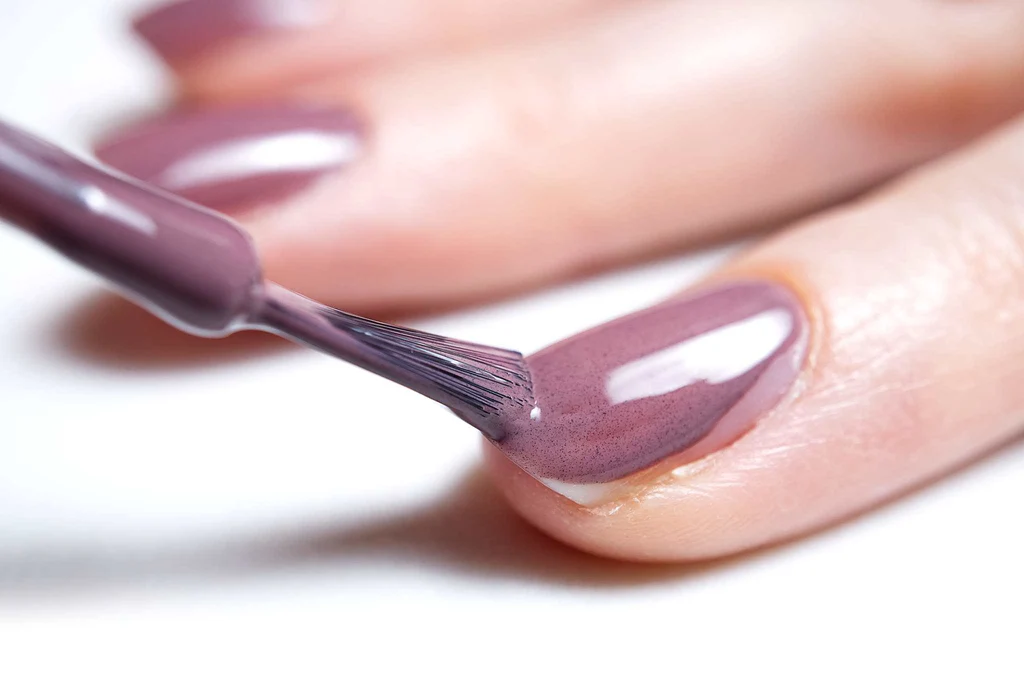
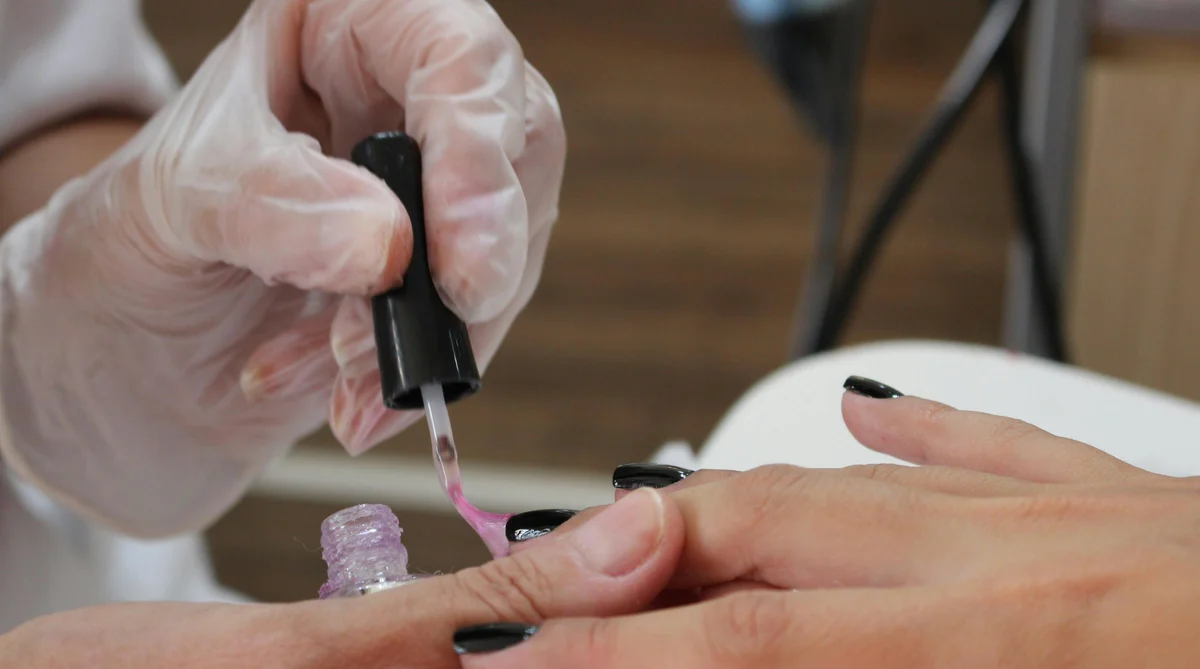
Begin with tidy nails, apply a base layer, use two light coats of polish, seal the tips of the nails, and conclude with a top layer.
These basic practices lead to a more polished appearance and extend the longevity of the polish.
How to Make Nail Polish Last Longer:
Do your manicures start to chip within just a few days?
Applying top coat every few days, moisturizing cuticles regularly, and using gloves during cleaning can greatly enhance the durability of your manicure.
Healthy nails create a stronger base for enduring polish.
How to Dry Nail Polish Faster:
The wait for nail polish to dry can seem eternal. Soak your fingertips in cool water after letting them air dry for a few minutes. A fan or the cool air from a hair dryer can also be used.
Thin layers dry more quickly and lower the chance of smearing.
Why Nail Polish Chips Quickly;
Have you ever considered why Polish chips get so quickly polished?
Frequent causes involve omitting the base coat, using thick layers, insufficient drying time, and prolonged water exposure.
Correct nail preparation can significantly enhance the longevity of polish.
How to Fix Smudged Nail Polish:
Did you unintentionally come into contact with something before your manicure set?
Slight blemishes can frequently be erased with a moist fingertip. Bigger flaws might need an additional thin layer of polish, then a top coat.
Minor adjustments can preserve your manicure without needing a reset.
Nail Polish Mistakes Beginners Make:
Numerous manicure issues start with basic errors. Using thick layers, omitting base coat, ignoring top coat, handling nails prematurely, and not moisturizing consistently are some of the typical mistakes.
Steering clear of these habits can enhance the look of nails and boost overall nail health.
Caring for Your Nails Following Acrylic Removal:
What steps should you take after removing the acrylic nails? Emphasize staying hydrated and recuperating. Use cuticle oil every day, apply hand cream consistently, steer clear of strong chemicals, and maintain short nails until they become strong again.
Allowing your nails to rest from enhancements can promote healthy growth.
What is the most secure method to take off acrylic nails at home?
The most secure approach entails trimming the acrylics, filing the surface layer, soaking them in acetone, and carefully taking off the softened material.
Is it possible to remove acrylic nails by peeling them?
Negative. Removing acrylic nails can strip layers from your natural nail and lead to serious harm.
For what duration should I immerse acrylic nails in acetone?
Most acrylic nails need 20 to 30 minutes of soaking, but thicker sets might require more time.
Why do my nails feel fragile after removing acrylics?
Acrylics and acetone can momentarily dry the nails. Adequate hydration and gentletreatment typically assist in their healing.
After removing acrylics, how can I strengthen my nails?
Use hand cream, drink plenty of water, maintain a balanced diet, use cuticle oil every day, and keep away from harsh chemicals whenever you can.
Conclusion:
Knowing How To Remove Acrylic Nails Safely is a crucial skill for keeping natural nails healthy. Although the procedure demands patience, dedicating time to soak, soften, and carefully eliminate acrylics can avert unnecessary harm and encourage quicker healing. By integrating secure removal methods with appropriate aftercare, you can maintain your nails robust, sleek, and prepared for your upcoming manicure. Keep in mind that well-cared-for nails are always more attractive than hasty outcomes.